

Breaking Free from the Tribe: Why Philanthropy Needs to Invest in Bridge Builders
An often missing but critical part of achieving social change is supporting individuals who can make connections outside of a field of advocacy or practice.
An often missing but critical part of achieving social change is supporting individuals who can make connections outside of a field of advocacy or practice.

The favorites of the year.
We can drive more capital to community-driven solutions that deliver results, but first we need a change in mindset—one that focuses on outcomes—using data and partnerships.
Two federal agencies have removed barriers that have discouraged foundations and pension funds from seeking out impact investments.

In the face of heightened fear and violence, leaders must examine how a troubling global context is affecting them, their leadership, and those they lead.


Funders are calling for more program evaluation, but nonprofits are often collecting dubious data, at great cost to themselves and ultimately to the people they serve.

Large-scale social change requires broad cross-sector coordination, not the isolated intervention of individual organizations.
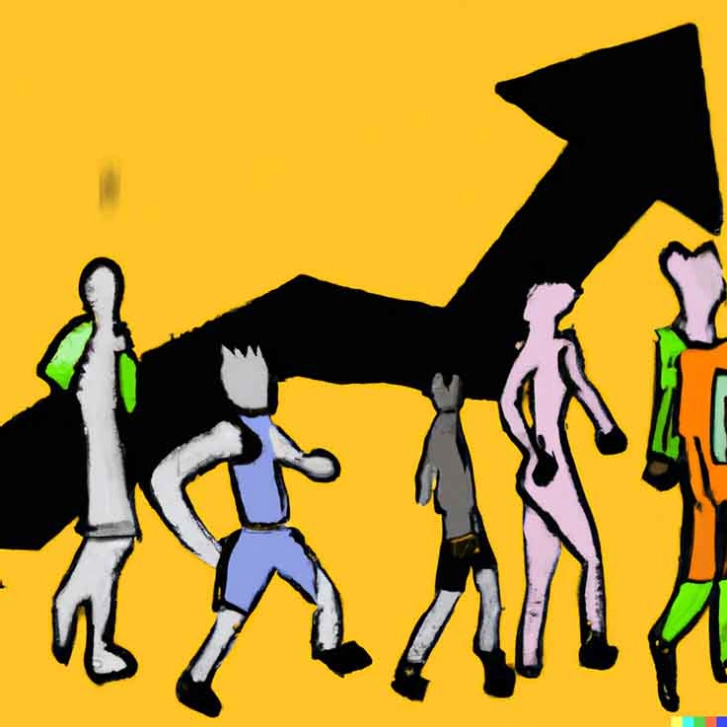
For NGOs, impact comes in different forms and to track the cycles of social change work, we must think across the tangibility and the speed of emergence of change.

With an understanding of these 10 funding models, nonprofit leaders can use the for-profit world's valuable practice of engaging in succinct and clear conversations about long-term financial strategy.

Professionalism has become coded language for white favoritism in workplace practices that more often than not leave behind people of color. This is the fourth of 10 articles in a special series about diversity, equity, and inclusion.