

Peers Inc
Peers Inc explores how age-old concepts of capitalism, consumerism, and even ownership are taking on new meaning in today’s marketplace of the "sharing economy."
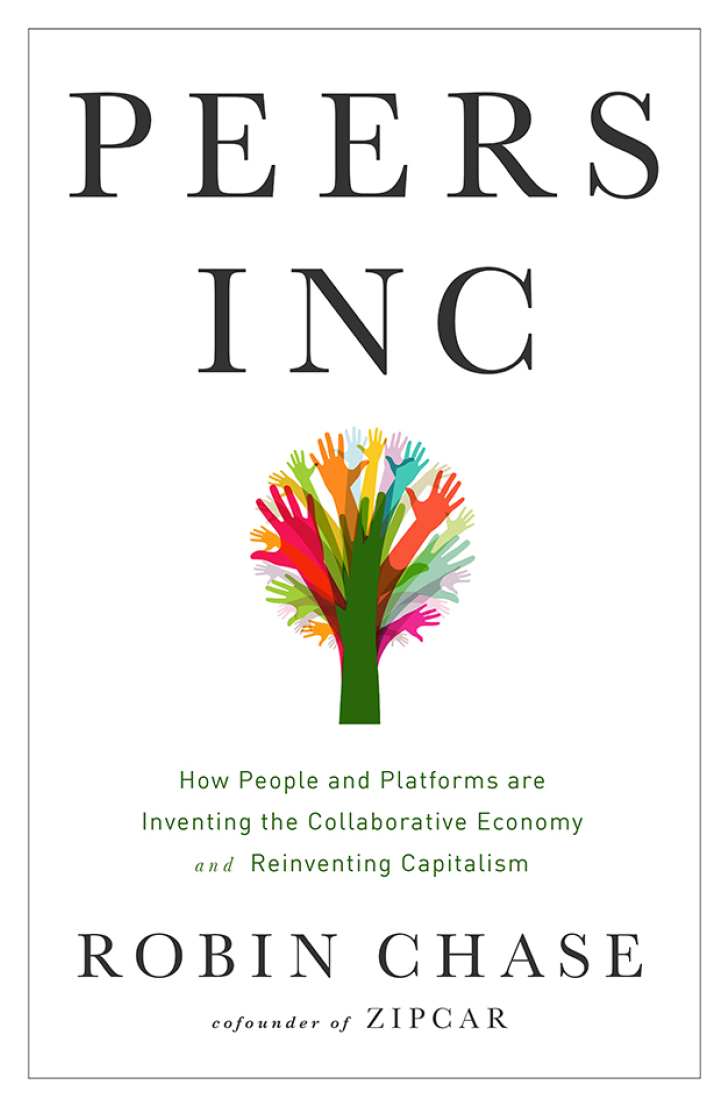
Peers Inc explores how age-old concepts of capitalism, consumerism, and even ownership are taking on new meaning in today’s marketplace of the "sharing economy."
Marketing success doesn’t equal impact.
Providing a tailored mix of different types of capital and reestablishing a more human-centered sense of accountability is helping social enterprises traverse the proverbial funding gap.

To address 21st-century problems, we need to build a civic infrastructure that serves all members of society, especially those on the margins.

More than a billion people worldwide still lack electricity and the opportunity it can bring. But access is now more possible than ever.


Funders are calling for more program evaluation, but nonprofits are often collecting dubious data, at great cost to themselves and ultimately to the people they serve.

Large-scale social change requires broad cross-sector coordination, not the isolated intervention of individual organizations.

For NGOs, impact comes in different forms and to track the cycles of social change work, we must think across the tangibility and the speed of emergence of change.

With an understanding of these 10 funding models, nonprofit leaders can use the for-profit world's valuable practice of engaging in succinct and clear conversations about long-term financial strategy.

Professionalism has become coded language for white favoritism in workplace practices that more often than not leave behind people of color. This is the fourth of 10 articles in a special series about diversity, equity, and inclusion.