


sponsored
We Need More Scale, Not More Innovation
The president and CEO of The California Endowment discusses the importance of engaging in advocacy and community organizing.
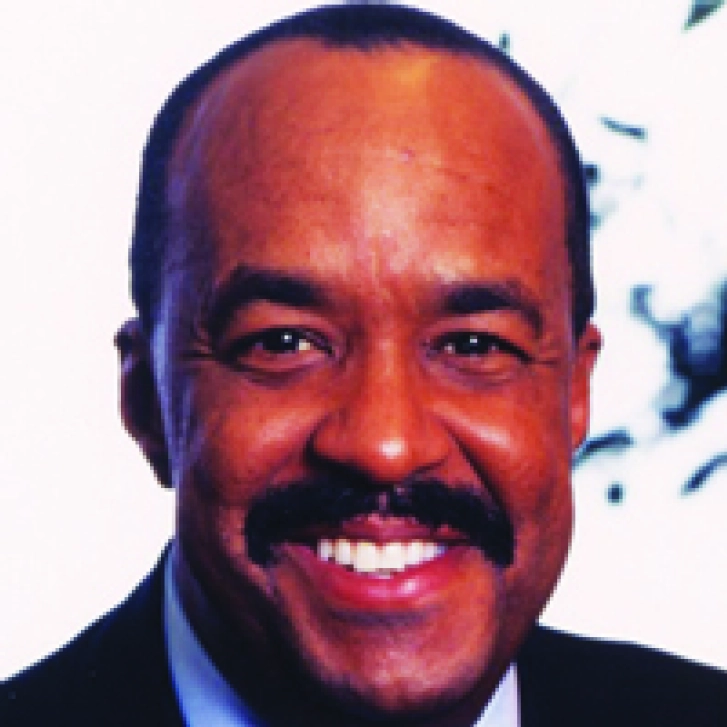
The president and CEO of The California Endowment discusses the importance of engaging in advocacy and community organizing.
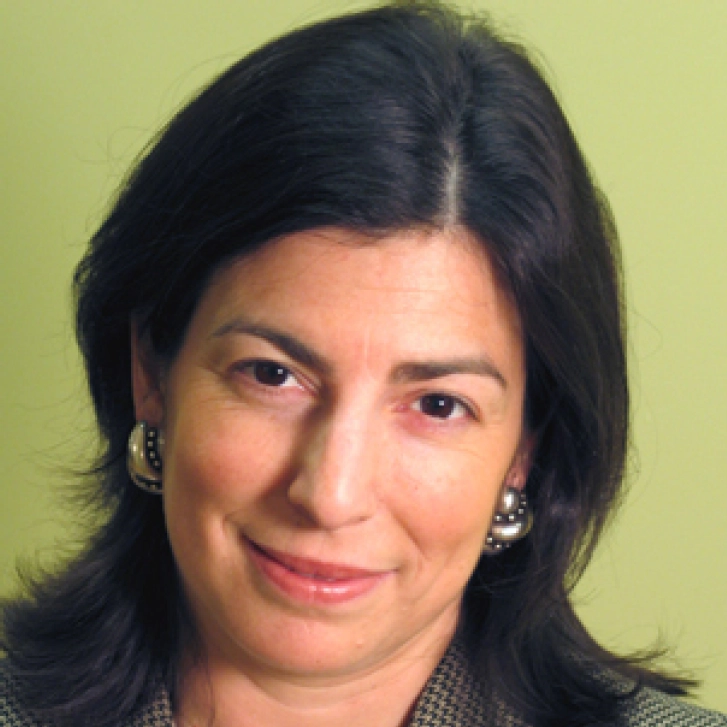
The president and CEO of the Edna McConnell Clark Foundation elaborates on the vital role growth capital aggregation plays.

The author of Cracking the Network Code discusses the important role of networks in scaling up solutions.

A few years ago, the Salesforce.com Foundation revamped its revenue model. Today, it's not just a grantmaker. It's a rapidly expanding software vendor.
Village Power Finance gives members of nonprofit associations a novel way to pay for solar conversion projects.


Funders are calling for more program evaluation, but nonprofits are often collecting dubious data, at great cost to themselves and ultimately to the people they serve.

Large-scale social change requires broad cross-sector coordination, not the isolated intervention of individual organizations.

For NGOs, impact comes in different forms and to track the cycles of social change work, we must think across the tangibility and the speed of emergence of change.

With an understanding of these 10 funding models, nonprofit leaders can use the for-profit world's valuable practice of engaging in succinct and clear conversations about long-term financial strategy.

Professionalism has become coded language for white favoritism in workplace practices that more often than not leave behind people of color. This is the fourth of 10 articles in a special series about diversity, equity, and inclusion.