


The New Volunteer Workforce
Nonprofits rely heavily on volunteers, but most CEOs do a poor job of managing them. As a result, more than one-third of those who volunteer one year do not donate their time the next year.

Nonprofits rely heavily on volunteers, but most CEOs do a poor job of managing them. As a result, more than one-third of those who volunteer one year do not donate their time the next year.

How does an organization get through the evaluation process and live to tell about it? In this panel, part of the Stanford Social Innovation Review's conference on evaluation, funders and fundees on both sides of the table from a variety of organizations in the areas of education and social services talk about what it was like to be in the trenches of successful evaluation processes. They tease out common success factors, including how to work collaboratively across sectors and with multiple constituents.
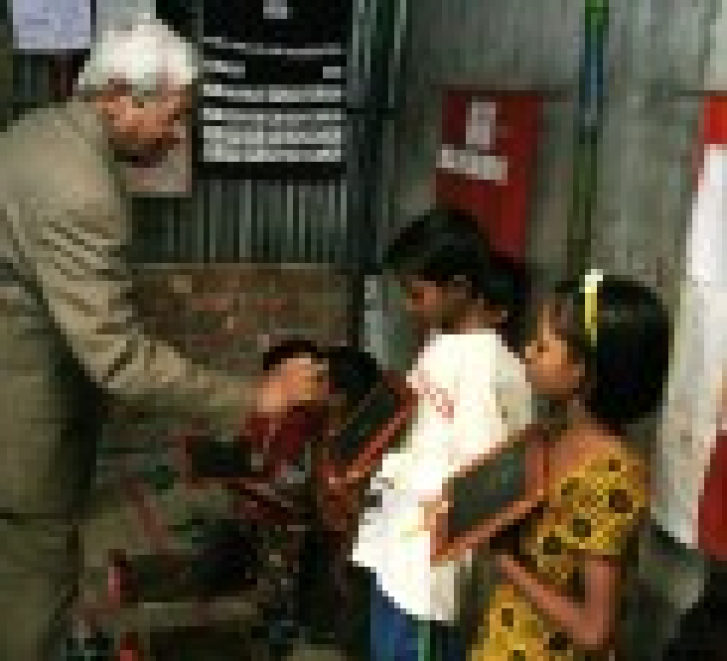
Serving more than 110 million people per year, BRAC is the largest nonprofit in the world. Yet it doesn't receive the most charitable donations. Instead, BRAC's social enterprises generate 80 percent of the organization's annual budget. These revenues have allowed the organization to develop, test, and replicate some of the world's most innovative antipoverty programs.
How can volunteers better meet the needs of nonprofits?
A new evaluation tool allows donors and investors to track their investments and compare their data to those of organizations doing similar work.


Funders are calling for more program evaluation, but nonprofits are often collecting dubious data, at great cost to themselves and ultimately to the people they serve.

Large-scale social change requires broad cross-sector coordination, not the isolated intervention of individual organizations.

For NGOs, impact comes in different forms and to track the cycles of social change work, we must think across the tangibility and the speed of emergence of change.

With an understanding of these 10 funding models, nonprofit leaders can use the for-profit world's valuable practice of engaging in succinct and clear conversations about long-term financial strategy.

Professionalism has become coded language for white favoritism in workplace practices that more often than not leave behind people of color. This is the fourth of 10 articles in a special series about diversity, equity, and inclusion.