


For Investors, Protesting Beats Divesting
Investors exert more influence over corporate management through engagement than through boycotts and divestment.

Investors exert more influence over corporate management through engagement than through boycotts and divestment.

Mentors are more effective when they see mentorship as a learning opportunity.
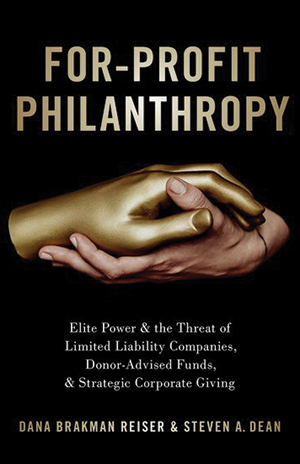
The coauthors of For-Profit Philanthropy recommend policies to reestablish the public’s trust in philanthropy—but did it ever exist?

We learn a great deal about how people are complicit in wrongdoing from Max H. Bazerman’s Complicit. But we are left wondering why.

While the array of media products that SSIR offers has changed over the last 20 years, our mission has not.


Funders are calling for more program evaluation, but nonprofits are often collecting dubious data, at great cost to themselves and ultimately to the people they serve.

Large-scale social change requires broad cross-sector coordination, not the isolated intervention of individual organizations.

For NGOs, impact comes in different forms and to track the cycles of social change work, we must think across the tangibility and the speed of emergence of change.

With an understanding of these 10 funding models, nonprofit leaders can use the for-profit world's valuable practice of engaging in succinct and clear conversations about long-term financial strategy.

Professionalism has become coded language for white favoritism in workplace practices that more often than not leave behind people of color. This is the fourth of 10 articles in a special series about diversity, equity, and inclusion.