


An Experimental Approach to Early-Stage Nonprofit Governance
Five lessons from a South Korean early-stage nonprofit on why establishing good governance from the beginning matters and how to adapt governance practices as an organization grows.

Five lessons from a South Korean early-stage nonprofit on why establishing good governance from the beginning matters and how to adapt governance practices as an organization grows.

We’re all better off when we’re all better off.
Ahead of the 2023 Frontiers of Social Innovation conference, “The Role of Social Innovation in Democracy,” a collection of articles exploring ways philanthropy, nonprofits, and civic institutions can ensure a more just and democratic society
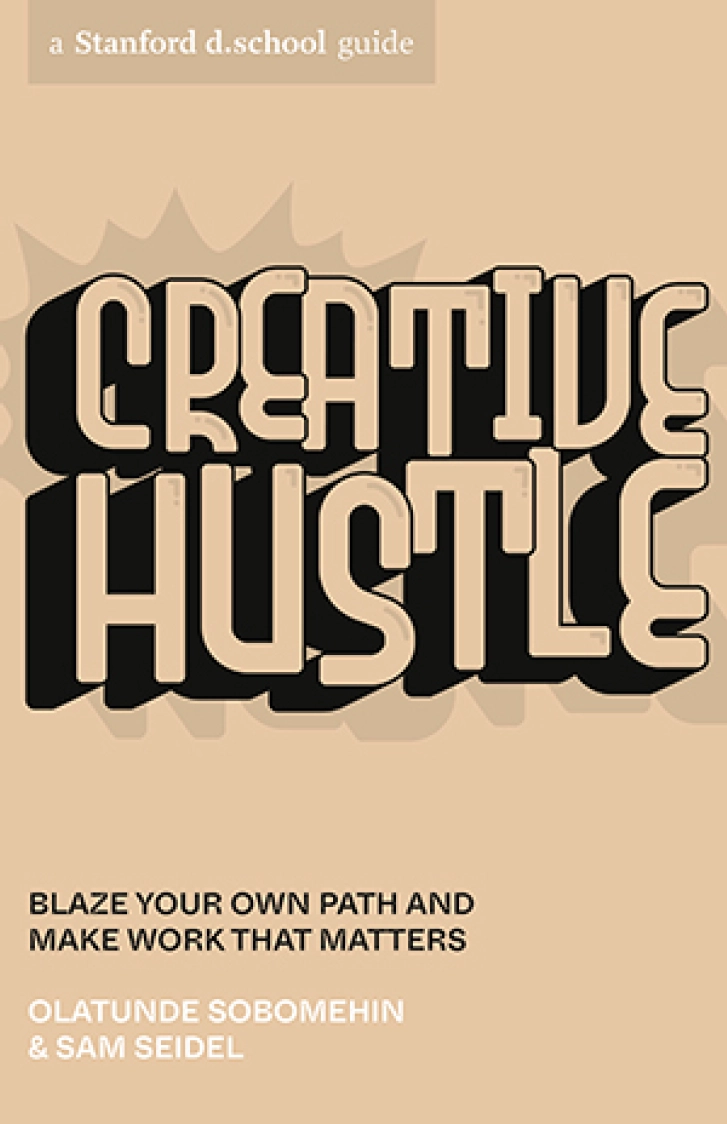
An excerpt from Creative Hustle on transcending the limits that hold people back



Funders are calling for more program evaluation, but nonprofits are often collecting dubious data, at great cost to themselves and ultimately to the people they serve.

Large-scale social change requires broad cross-sector coordination, not the isolated intervention of individual organizations.

For NGOs, impact comes in different forms and to track the cycles of social change work, we must think across the tangibility and the speed of emergence of change.
With an understanding of these 10 funding models, nonprofit leaders can use the for-profit world's valuable practice of engaging in succinct and clear conversations about long-term financial strategy.

Professionalism has become coded language for white favoritism in workplace practices that more often than not leave behind people of color. This is the fourth of 10 articles in a special series about diversity, equity, and inclusion.