


SSIR Online, Winter 2023 Issue
A collection of standout pieces published online about 990 data, local social networks, measuring impact, and nonprofit burnout.

A collection of standout pieces published online about 990 data, local social networks, measuring impact, and nonprofit burnout.

Platform thinking pushes social entrepreneurs to leave the role of the problem solver in favor of being an enabler of changemakers who can solve problems locally.

A platform to streamline philanthropic conversation and sharing opportunities needs to start by building community and rapport, rather than merely technology.
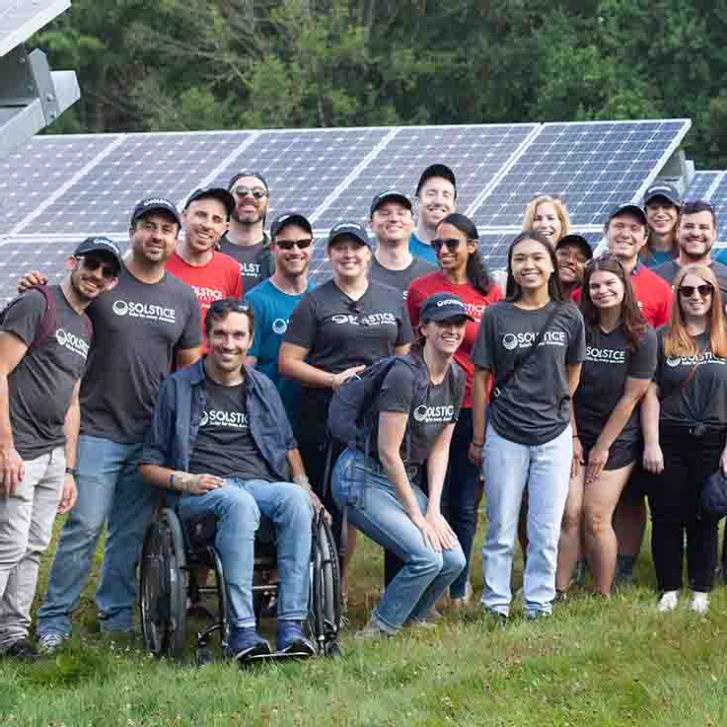
Community-focused entrepreneurs are using innovative business models and technology to make renewable energy and a healthy environment accessible to everyone.

An excerpt from The Equality Machine on how next-generation technology can create more inclusive digital speech.


Five principles based in social science that will help organizations connect their work to what people care most about.

Six pathways to making housing more affordable and available from the Ivory Prize for Housing Affordability.

A recent study found three common barriers to knowledge sharing across nonprofits and their networks, as well as ways and means to overcome them.

Two veterans of consumer psychology, marketing, and entrepreneurship provide a guide to using social media for social change.

Using artificial intelligence to predict behavior can lead to devastating policy mistakes. Health and development programs must learn to apply causal models that better explain why people behave the way they do to help identify the most effective levers for change.