


University Rankings as a Tool for Social Impact
How Times Higher Education developed and implemented a new set of social impact rankings for higher education for a more sustainable, resilient future. Part of the Innovating Higher Education series.

How Times Higher Education developed and implemented a new set of social impact rankings for higher education for a more sustainable, resilient future. Part of the Innovating Higher Education series.
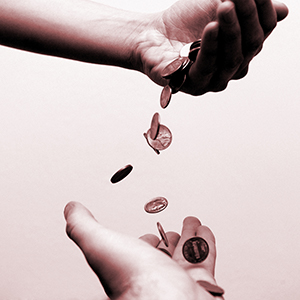
Nonprofit boards still have a long way to go in engaging their board members to improve fundraising.

A look at myriad ways funders can support the well-being and mental health of often understaffed and under-resourced grantees, and help foster healthier individuals and organizations. Part of the Centered Self series.
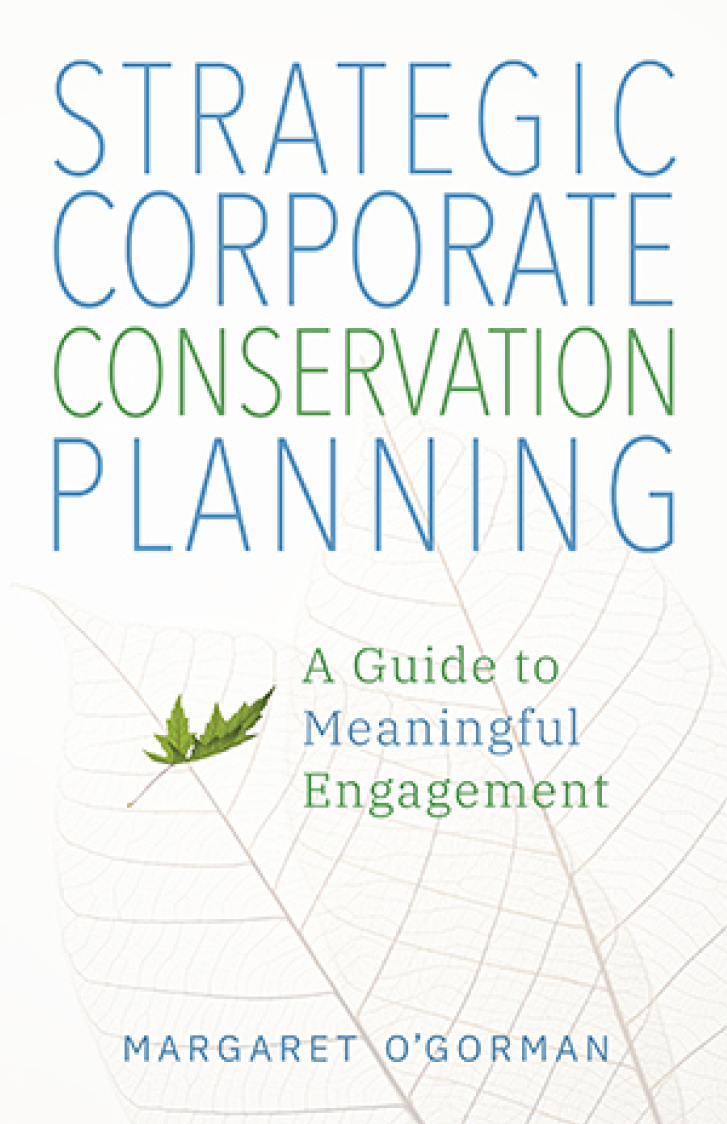
An excerpt from Strategic Corporate Conservation Planning details the efforts of companies, governments, and communities to remediate polluted lands.
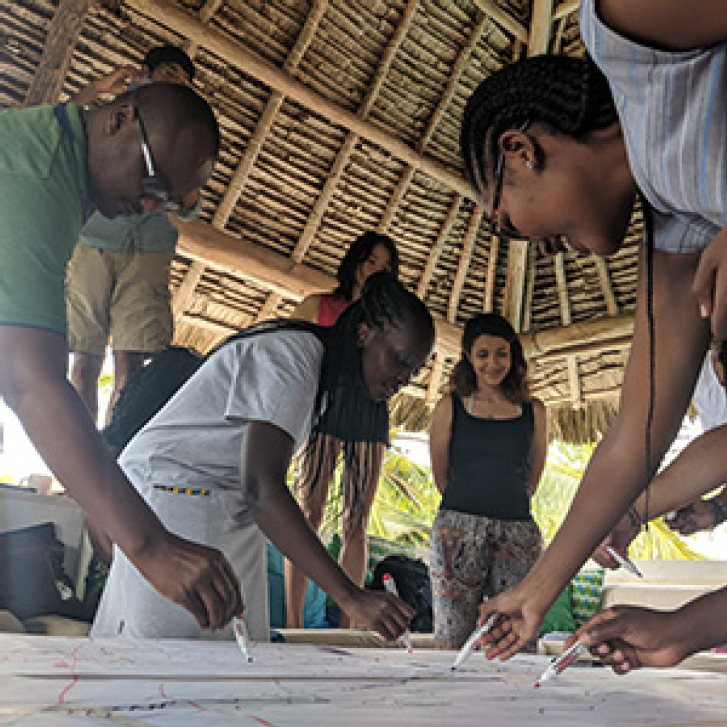
How Amani Institute is building a skills-based and inclusive curriculum for changemaking in the developing world. Part of the Innovating Higher Education series.


Funders are calling for more program evaluation, but nonprofits are often collecting dubious data, at great cost to themselves and ultimately to the people they serve.

Large-scale social change requires broad cross-sector coordination, not the isolated intervention of individual organizations.

For NGOs, impact comes in different forms and to track the cycles of social change work, we must think across the tangibility and the speed of emergence of change.

With an understanding of these 10 funding models, nonprofit leaders can use the for-profit world's valuable practice of engaging in succinct and clear conversations about long-term financial strategy.

Professionalism has become coded language for white favoritism in workplace practices that more often than not leave behind people of color. This is the fourth of 10 articles in a special series about diversity, equity, and inclusion.