
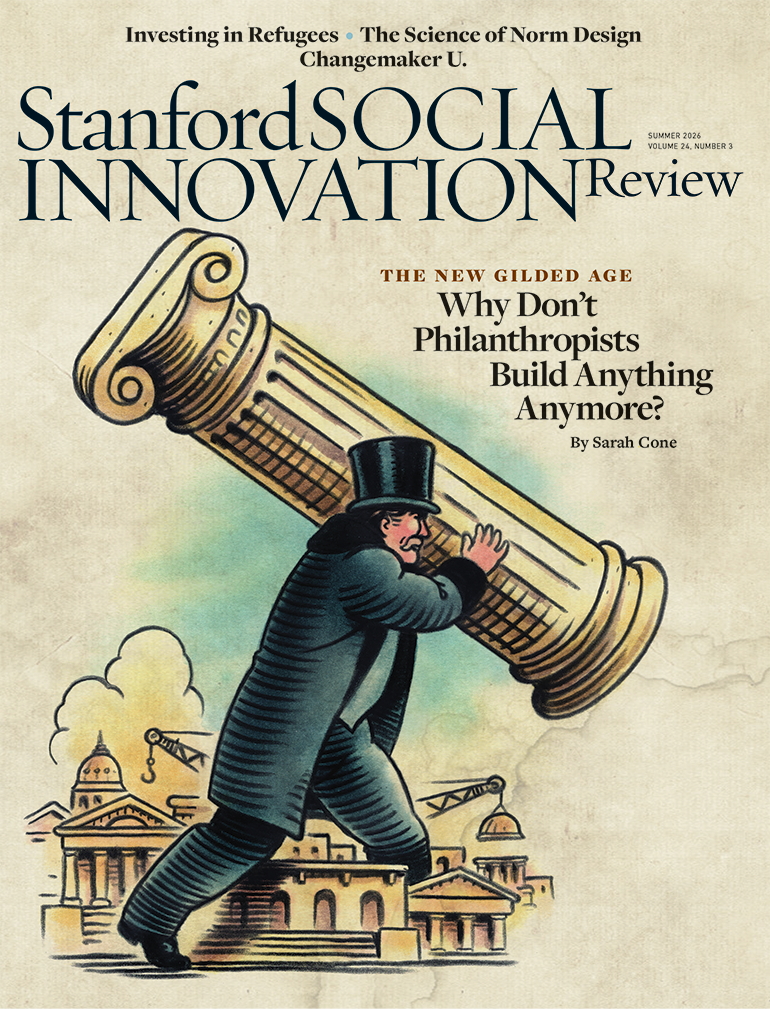

The Paradox of Socially Responsible Investing
Funds that invest in social goals inevitably confront tensions with the goal of making money.

Funds that invest in social goals inevitably confront tensions with the goal of making money.
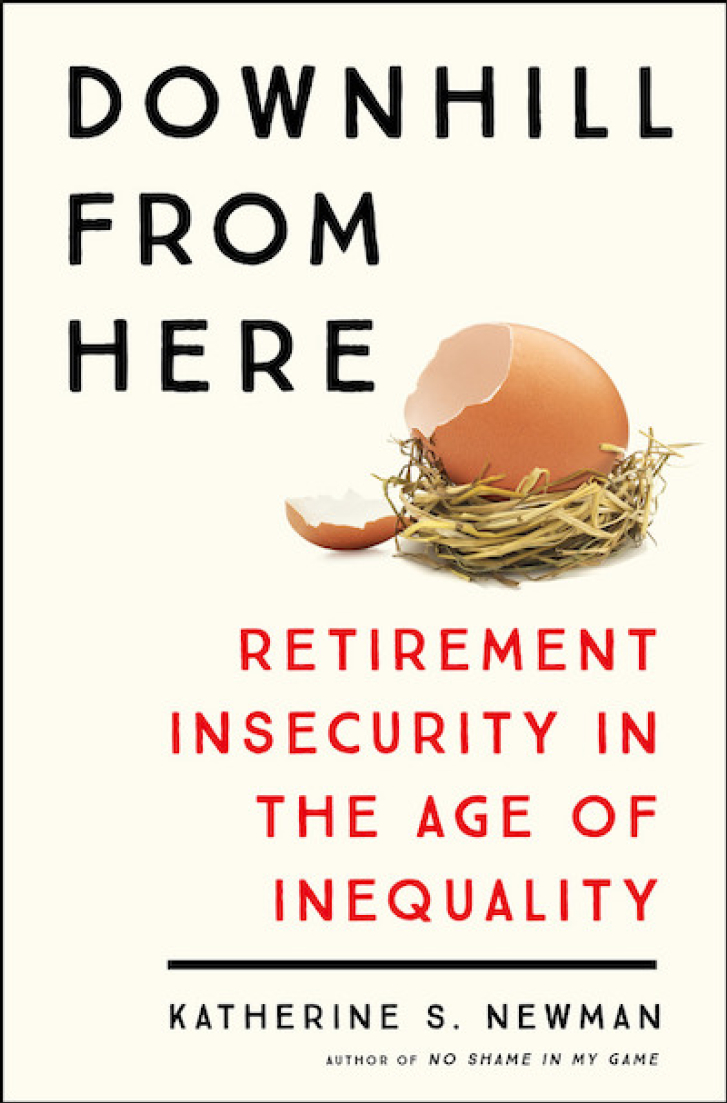
Katherine Newman’s Downhill From Here challenges current economic thinking by arguing that the crisis in retirement security is caused by a flawed system, not flawed humans.

Sustainable enterprise is increasingly relying on artful thinking and Eastern philosophy to innovate Western business models for global practice.
Nurturing current and future leaders and improving governance in Singapore is transforming the entire business community and their collective social responsibility.

This supplement brings together the latest thinking about how big-bet philanthropy is changing the ways that the nonprofit sector is working to address major social problems.


Funders are calling for more program evaluation, but nonprofits are often collecting dubious data, at great cost to themselves and ultimately to the people they serve.

Large-scale social change requires broad cross-sector coordination, not the isolated intervention of individual organizations.

For NGOs, impact comes in different forms and to track the cycles of social change work, we must think across the tangibility and the speed of emergence of change.

With an understanding of these 10 funding models, nonprofit leaders can use the for-profit world's valuable practice of engaging in succinct and clear conversations about long-term financial strategy.

Professionalism has become coded language for white favoritism in workplace practices that more often than not leave behind people of color. This is the fourth of 10 articles in a special series about diversity, equity, and inclusion.