


Impact Investing and Racial Equity: Foundations Leading the Way
Foundations are deploying a wide range of impact investing strategies to advance racial equity in the United States.

Foundations are deploying a wide range of impact investing strategies to advance racial equity in the United States.

In this series, presented in partnership with Mission Investors Exchange, 10 foundation presidents share their organization’s efforts to embed commitments to racial equity into their institutions and impact investing practices.
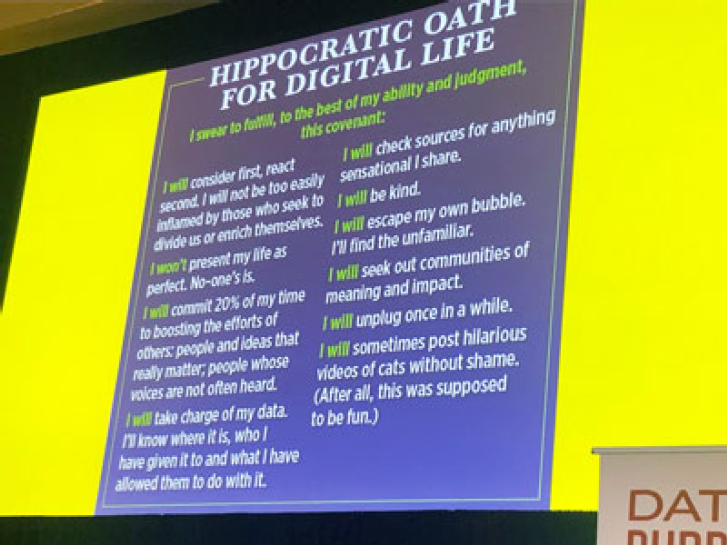
From emphasizing the importance of a data culture to exhorting people to "move thoughtfully and improve things," nonprofit leaders, funders, scholars, and technologists at SSIR's 2019 Data on Purpose Conference provided deep insights into surviving and thriving in an increasingly digital world.

A look at what it takes to successfully deploy machine learning tools for social good and the most exciting opportunities ahead.

The digital app GoodSAM transforms emergency medical care through its crowdsourcing network of first responders.


Funders are calling for more program evaluation, but nonprofits are often collecting dubious data, at great cost to themselves and ultimately to the people they serve.

Large-scale social change requires broad cross-sector coordination, not the isolated intervention of individual organizations.

For NGOs, impact comes in different forms and to track the cycles of social change work, we must think across the tangibility and the speed of emergence of change.

With an understanding of these 10 funding models, nonprofit leaders can use the for-profit world's valuable practice of engaging in succinct and clear conversations about long-term financial strategy.

Professionalism has become coded language for white favoritism in workplace practices that more often than not leave behind people of color. This is the fourth of 10 articles in a special series about diversity, equity, and inclusion.