

Four Lessons on Connecting Leaders of Social Change
A transnational program focused on equality shows that engaging with conflict and difference is vital to the growth and effectiveness of social movements and broader change.
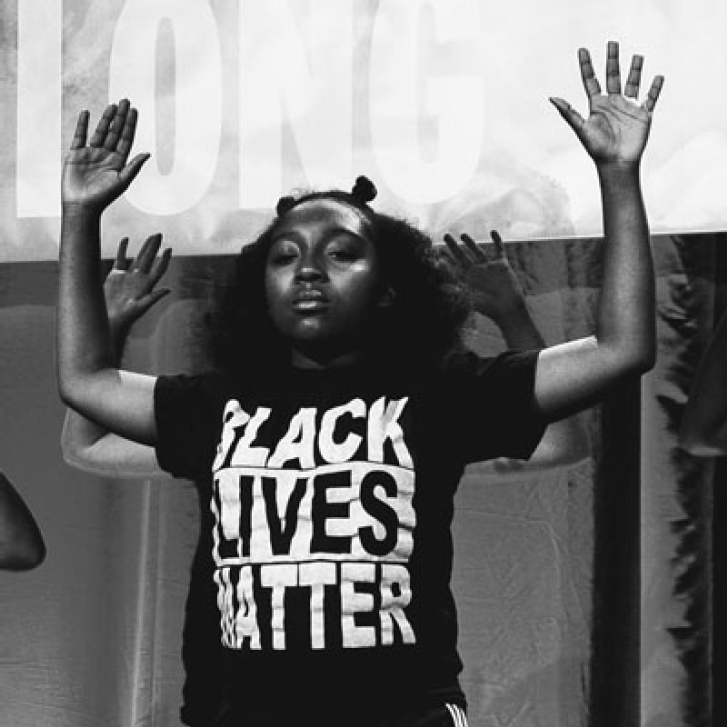
A transnational program focused on equality shows that engaging with conflict and difference is vital to the growth and effectiveness of social movements and broader change.

Entrepreneur support programs are popular among donors, but many fail to incorporate rigorous research on the most effective ways to help businesses grow. Insights from current academic literature can help improve program design.
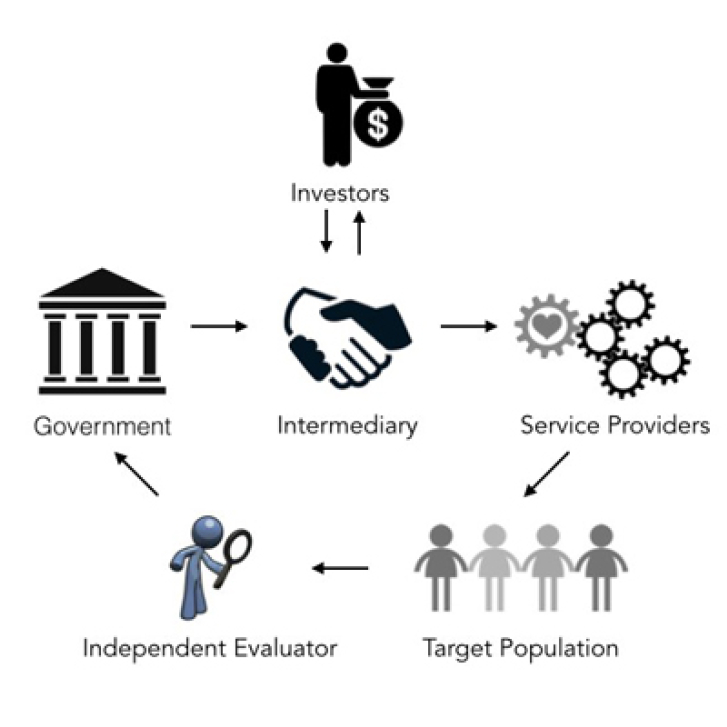
A look at how social impact bonds differ between projects and geographies, and how those differences impact practical implementation.
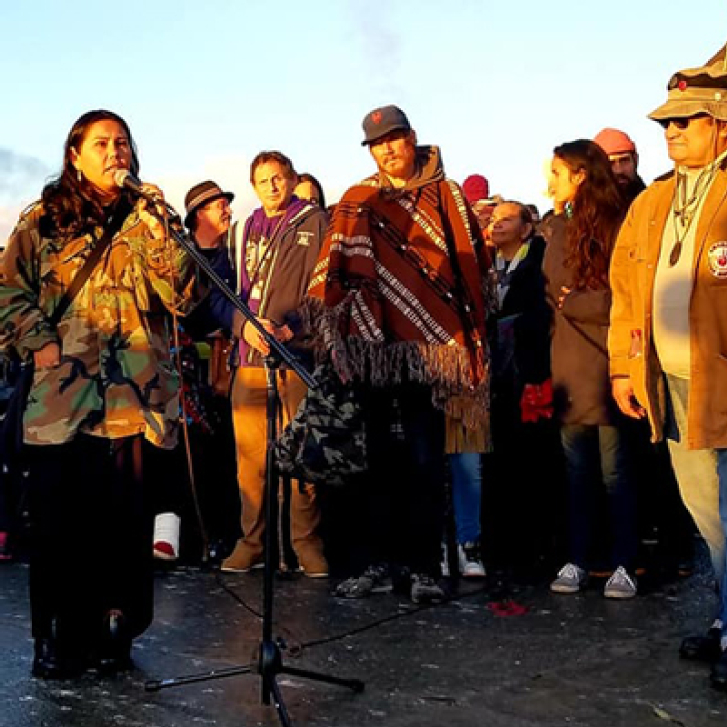
How funders can support bold, emerging leaders and their cutting-edge ideas.
An excerpt of Uberland demonstrates how the rideshare app company has utilized Silicon Valley practices to transform the workplace.


Funders are calling for more program evaluation, but nonprofits are often collecting dubious data, at great cost to themselves and ultimately to the people they serve.

Large-scale social change requires broad cross-sector coordination, not the isolated intervention of individual organizations.

For NGOs, impact comes in different forms and to track the cycles of social change work, we must think across the tangibility and the speed of emergence of change.

With an understanding of these 10 funding models, nonprofit leaders can use the for-profit world's valuable practice of engaging in succinct and clear conversations about long-term financial strategy.

Professionalism has become coded language for white favoritism in workplace practices that more often than not leave behind people of color. This is the fourth of 10 articles in a special series about diversity, equity, and inclusion.