
SSIR’s 2018 Social Innovation Reading List
Highlights of this year’s book reviews and excerpts on issues including women’s inequality, sustainable leadership, and the hypocrisy of elite philanthropists.

Highlights of this year’s book reviews and excerpts on issues including women’s inequality, sustainable leadership, and the hypocrisy of elite philanthropists.
We’re in big trouble if complicated, expensive schemes like these are what it takes to get big funders to fund for impact.
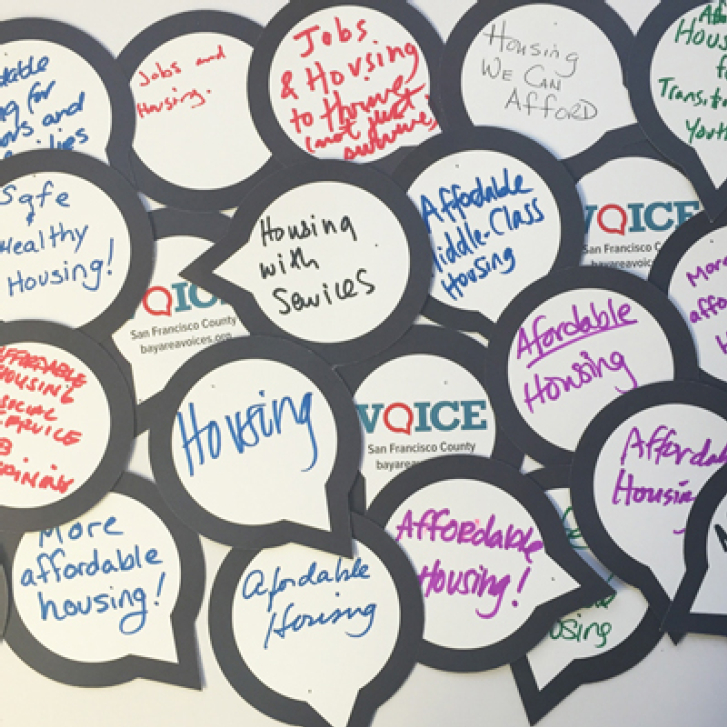
Based on feedback from community listening sessions and consultations with local experts, The San Francisco Foundation reshaped its grantmaking strategy and role in addressing the inequities facing Bay Area residents. Part of a series produced for SSIR with the support of the Hewlett Foundation.

Before diving into measurement, organizations must establish awareness of and readiness for impact in every aspect of their operations.
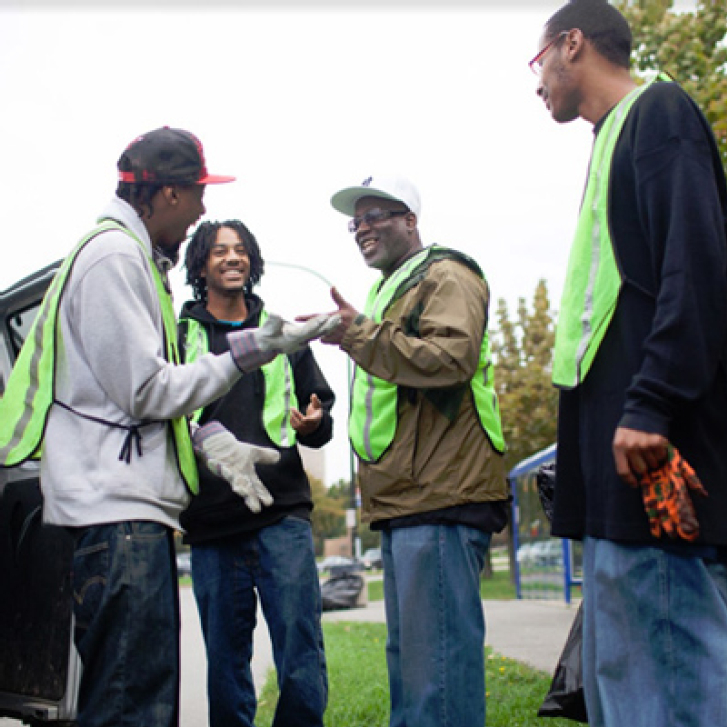
How shifting attention from gathering data about clients to gathering data from them helped a criminal justice organization improve services for participants and increase equity in the process. Part of a series produced for SSIR with the support of the Hewlett Foundation.


Funders are calling for more program evaluation, but nonprofits are often collecting dubious data, at great cost to themselves and ultimately to the people they serve.

Large-scale social change requires broad cross-sector coordination, not the isolated intervention of individual organizations.

For NGOs, impact comes in different forms and to track the cycles of social change work, we must think across the tangibility and the speed of emergence of change.

With an understanding of these 10 funding models, nonprofit leaders can use the for-profit world's valuable practice of engaging in succinct and clear conversations about long-term financial strategy.

Professionalism has become coded language for white favoritism in workplace practices that more often than not leave behind people of color. This is the fourth of 10 articles in a special series about diversity, equity, and inclusion.