

Supporting Children Who Lack Parental Care From All Sides
To effectively support children at risk, the nonprofit and donor community must adopt a holistic approach to child welfare that includes prevention, long-term care, education, and advocacy.

To effectively support children at risk, the nonprofit and donor community must adopt a holistic approach to child welfare that includes prevention, long-term care, education, and advocacy.

Asha Curran, chief innovation officer at the 92nd Street Y and director of its Belfer Center for Innovation & Social Impact, discussed the evolution of the grassroots giving movement at our 2018 Data on Purpose conference.
“Resilience” is a favorite buzzword these days, but what does it really mean, and how can grantmakers and nonprofits take practical steps toward achieving it?

A growing chorus of critics are questioning whether big philanthropy is actually a good thing.
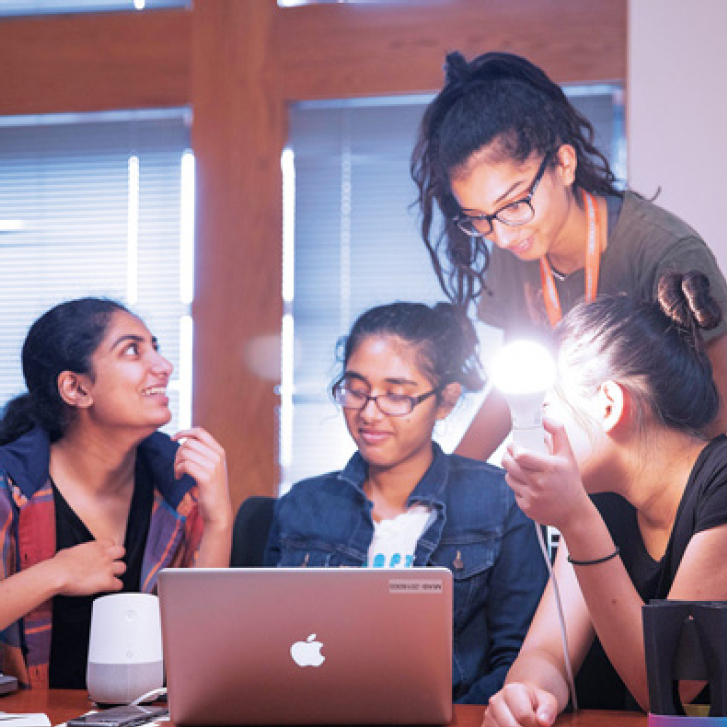
AI4ALL’s summer programs for high schoolers aim to increase diversity in the growing field of artificial intelligence.


Funders are calling for more program evaluation, but nonprofits are often collecting dubious data, at great cost to themselves and ultimately to the people they serve.

Large-scale social change requires broad cross-sector coordination, not the isolated intervention of individual organizations.

For NGOs, impact comes in different forms and to track the cycles of social change work, we must think across the tangibility and the speed of emergence of change.

With an understanding of these 10 funding models, nonprofit leaders can use the for-profit world's valuable practice of engaging in succinct and clear conversations about long-term financial strategy.

Professionalism has become coded language for white favoritism in workplace practices that more often than not leave behind people of color. This is the fourth of 10 articles in a special series about diversity, equity, and inclusion.