
Domesticity’s Gross Product
The authors of Equality for Women = Prosperity for All expose the economic wastefulness of gender inequity.
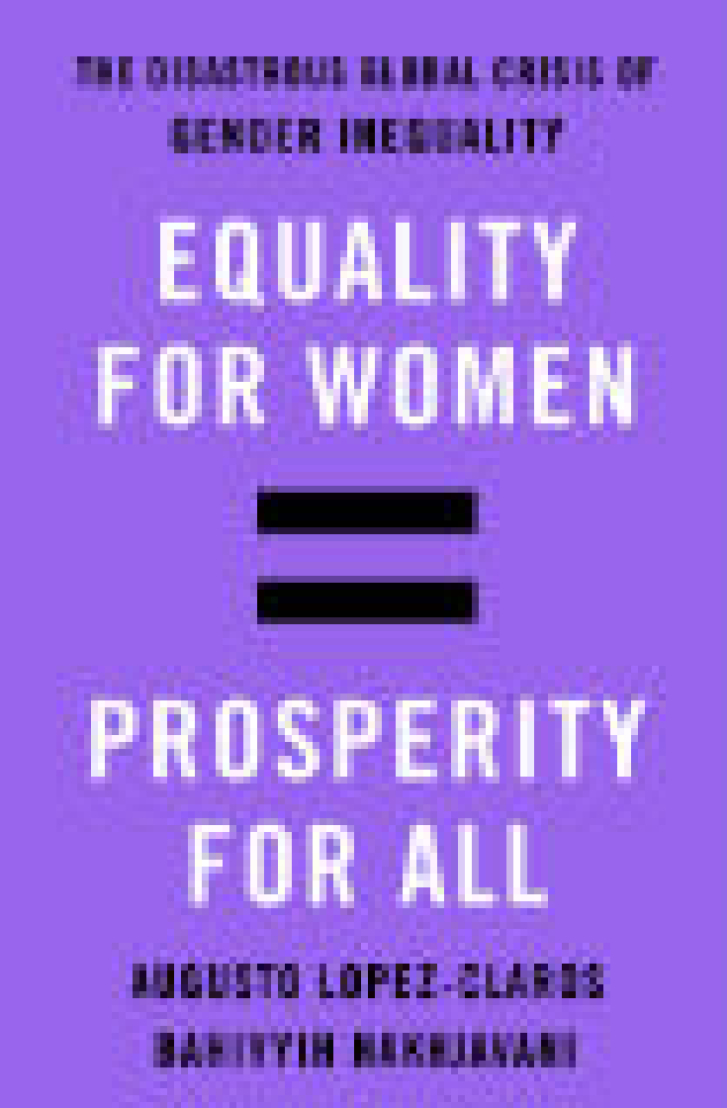
The authors of Equality for Women = Prosperity for All expose the economic wastefulness of gender inequity.
How purpose can attract more consumers, build deeper bonds, and amplify brand messages.

In this multimedia series, sponsored by the William and Flora Hewlett Foundation, voices from the social sector will offer tactics, tools, and advice gleaned from the grassroots to encourage nonprofits and foundations to make listening to their constituents—and acting on what they hear—a smart norm for any organization committed to improvement.

Many social innovations fail because they are unable to bridge the “stagnation chasm.” Here is a look at the resources, ecosystems, and skills needed to overcome it.

Eight findings from a recent study of collective impact initiatives, including their effect on systems and population-level outcomes.


Funders are calling for more program evaluation, but nonprofits are often collecting dubious data, at great cost to themselves and ultimately to the people they serve.

Large-scale social change requires broad cross-sector coordination, not the isolated intervention of individual organizations.

For NGOs, impact comes in different forms and to track the cycles of social change work, we must think across the tangibility and the speed of emergence of change.

With an understanding of these 10 funding models, nonprofit leaders can use the for-profit world's valuable practice of engaging in succinct and clear conversations about long-term financial strategy.

Professionalism has become coded language for white favoritism in workplace practices that more often than not leave behind people of color. This is the fourth of 10 articles in a special series about diversity, equity, and inclusion.