-

Measurement & Evaluation
The Road Ahead for Client Feedback
Social sector leaders say they are dedicating more resources to gathering client and community feedback, but implementation barriers remain. The authors suggest three solutions to overcome them. Part of a series produced for SSIR with the support of the Hewlett Foundation.
-
 Video
VideoSocial Services
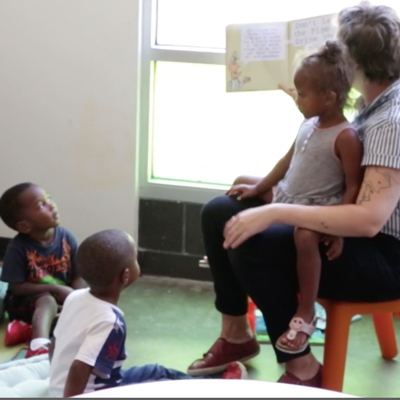
Homeless Shelter Uses Feedback to Help Its Clients Regain Independence
The Arkansas nonprofit Our House, which provides shelter to homeless families and individuals working to regain their economic independence, has built a culture of continuous feedback with surveys, community councils, and “happy or not” voting terminals. Part of a series produced for SSIR with the support of the Hewlett Foundation.
-

How Nonprofits Can Help Donor-Advised Fund Philanthropists Listen and Learn
As donor-advised funds increase in popularity, the people who use them are poised to advance the practice of listening to the organizations and individuals they are trying to help. Part of a series produced for SSIR with the support of the Hewlett Foundation.
-
 Video
VideoSocial Services
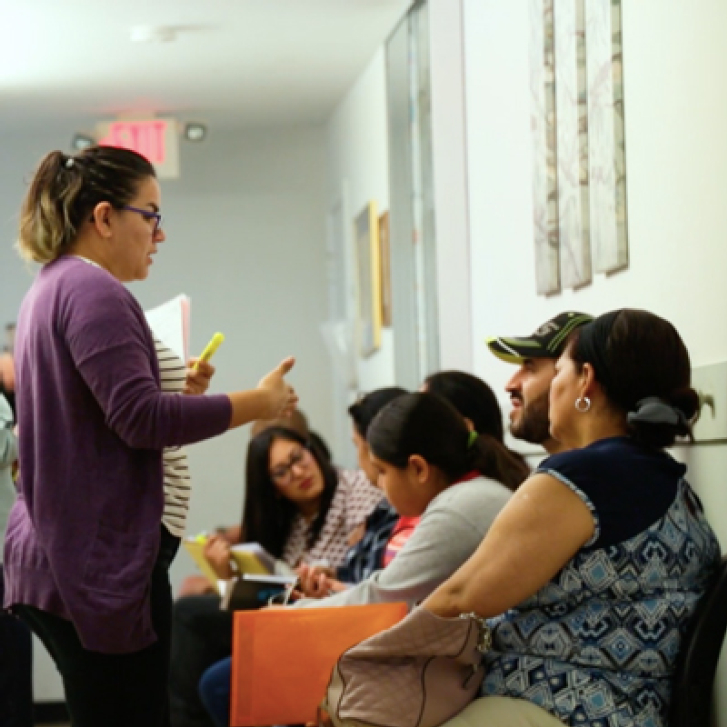
Health Agency Embraces Harsh Feedback to Transform Relationships
When Paula John visited Epiphany Community Health Outreach Services for help with her arthritis, she encountered long wait times and unfriendly staff. Her feedback led to changes that transformed her opinion of the organization. Part of a series produced for SSIR with the support of the Hewlett Foundation.
-
 Podcast
Measurement & Evaluation
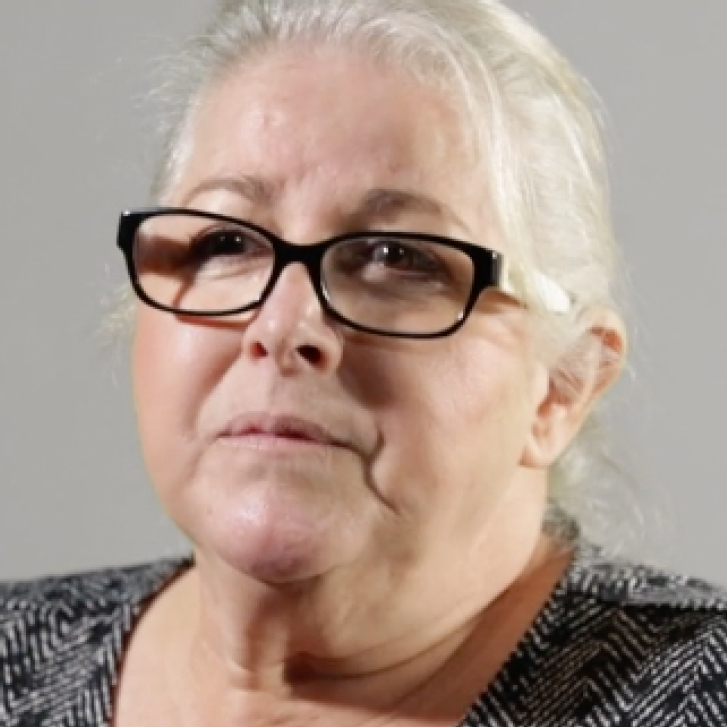
How Client Feedback Helped Transform a Houston Health Agency
Growing up, Paula John didn’t feel her voice counted, motivating her to give her children a different experience by listening to them closely. She expected the same consideration from her Houston community health agency. When its services fell short, her harsh feedback became a catalyst for change. Part of a series produced for SSIR with the support of the Hewlett Foundation.
-

How End-User Feedback Can Become a Nonprofit’s Innovation Engine
Nurse-Family Partnership has institutionalized the practice of gathering end-user and partner feedback, influencing changes to its systems, services, and business model. Part of a series produced for SSIR with the support of the Hewlett Foundation.
-
 Video
VideoIntegrating Feedback Across a Nonprofit Business Model
Nurse-Family Partnership, a maternal-child health nonprofit, has incorporated ways to gather, interpret, and apply feedback into its nonprofit business model. Part of a series produced for SSIR with the support of the Hewlett Foundation.
-

What Social Sector Leaders Think About Feedback
An SSIR survey of nearly 2,000 leaders of nonprofits, foundations, and other charitable organizations revealed that they believe feedback is important but still struggle with figuring out how to do it.
-
Business
Bolstering Curiosity to Advance Workplace Equity
Employee surveys can help organizations surface fresh perspectives and new thinking while building a culture that rewards curiosity. Part of a series produced for SSIR with the support of the Hewlett Foundation.
-
Impact Investing
Three Community Feedback Tools for Impact Investors
Too often impact investors park customer insight at the door when focused on projects in poor communities. These approaches can help them learn what their target consumers really want. Part of a series produced for SSIR with the support of the Hewlett Foundation.
-
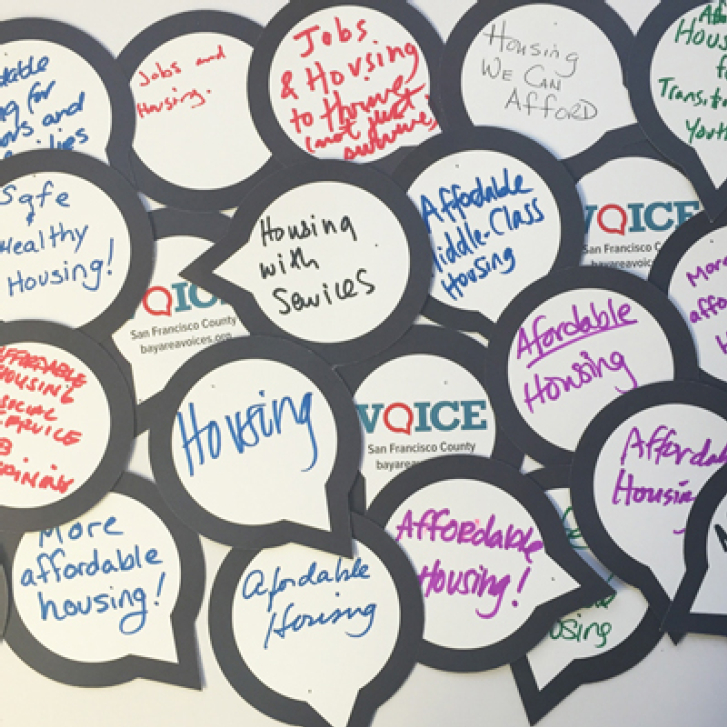
Listening to the Community to Reimagine How a Foundation Delivers on Its Mission
Based on feedback from community listening sessions and consultations with local experts, The San Francisco Foundation reshaped its grantmaking strategy and role in addressing the inequities facing Bay Area residents. Part of a series produced for SSIR with the support of the Hewlett Foundation.
-
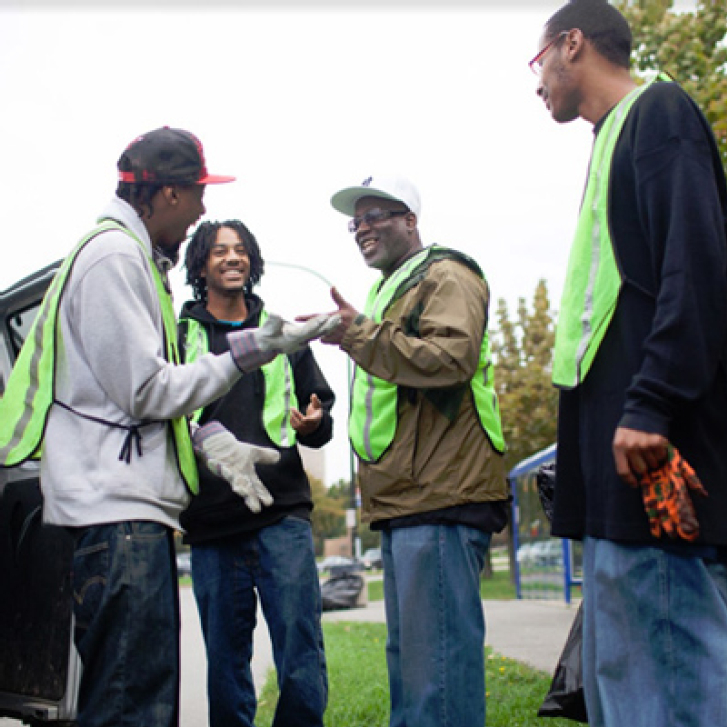
Building Organizational Muscle and Mindset to Gather Participant Feedback
How shifting attention from gathering data about clients to gathering data from them helped a criminal justice organization improve services for participants and increase equity in the process. Part of a series produced for SSIR with the support of the Hewlett Foundation.
-
 Video
VideoImproving an Employment Service With a Former Prisoner’s Feedback
When Betty McCay finished a 27-year prison sentence and approached the Center for Employment Opportunities for help with finding a job, the last thing she expected was to be asked for her feedback on running the program. Part of a series produced for SSIR with the support of the Hewlett Foundation.
-
 Podcast
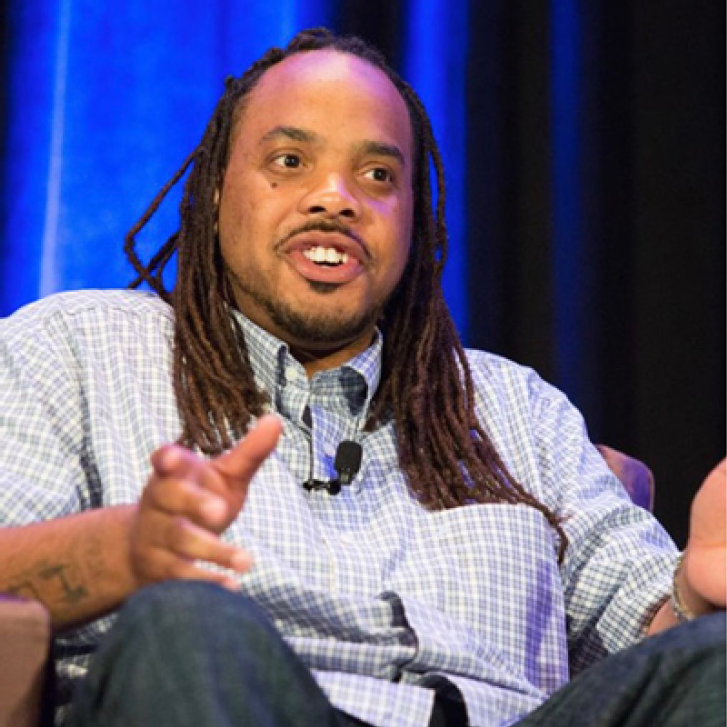
Former Prisoner Pays Forward the Gift of Being Heard
Shannon Revels met a teacher in prison who listened to his ideas, demonstrating a willingness to engage that Revels paid forward at his employment agency and on the job. Part of a series produced for SSIR with the support of the Hewlett Foundation.
-
 Video
VideoTools and Lessons to Make Listening to Clients Feasible
Gathering feedback from clients can be the swiftest path to insight and service improvement for nonprofits. Listen for Good offers a low-cost, high-quality method. Part of a series produced for SSIR with the support of the Hewlett Foundation.
-
Use Customer Surveys to Measure and Improve Nonprofit Programs
A simple measurement solution exists beyond evaluation and monitoring: asking nonprofit clients to take surveys about their customer experience. Lean Data and Listen for Good show how. Part of a series produced for SSIR with the support of the Hewlett Foundation.
-
 Video
VideoHow Feedback Shaped a Community Organization
Input from Boston residents changed Union Capital Boston’s rewards program from providing specific material goods to distributing cash in exchange for doing volunteer activities. It also drove the creation of networking events for members. Part of a series produced for SSIR with the support of the Hewlett Foundation.
-
How—and—Why to Listen Until Someone Feels Heard
In fields as diverse as healthcare and social services, training employees in empathy translates into lower burnout, better outcomes, and economic benefits. Part of a series produced for SSIR with the support of the Hewlett Foundation.
-
 Video
VideoHow Feedback Can Change People and Places
Kate Lauzon found sobriety and a role as an activist through her Massachusetts city's weekly resident feedback sessions, a gathering of civic groups known as "Working Cities Wednesdays" organized by Habitat for Humanity. Part of a series produced for SSIR with the support of the Hewlett Foundation.
-
Using Client Feedback to Stay on Course
Like a good GPS system, signals from multiple sources—grantees, staff, other funders, and beneficiaries—can help pinpoint where foundations stand. Part of a series produced for SSIR with the support of the Hewlett Foundation.
-
 Video
VideoA New Paradigm for Nonprofit Measurement
In this audio slideshow, Fay Twersky, director of the Effective Philanthropy Group at the William and Flora Hewlett Foundation, discusses how the process of collecting feedback from constituents provides a much needed third dimension to nonprofit measurement practice.
-
Feedback Is Not a Fad
Listening to beneficiaries should be part and parcel of any initiative that seeks to help others. Part of a series produced for SSIR with the support of the Hewlett Foundation.

Measurement
The Power of Feedback
It’s nearly impossible today to rent a room or buy a product without the company asking about your experience so that it can improve and innovate. Yet while systematically engaging customers or beneficiaries is the quickest, cheapest way to identify areas for improvement, nonprofits and funders—even those hooked on measurement—can do more.
A growing chorus of social sector players are advocating for a greater emphasis on listening. Gathering feedback not only provides a valuable stream of insight on program effectiveness to investors and investees, but also gives dignity and respect to those they seek to help. What’s more, organizations shifting from gathering data about beneficiaries to gathering input and ideas from them are seeing gains beyond quickening the pulse and quality of measurement and evaluation. These organizations are supporting constituent self-advocacy in ways that can increase equity and inclusion or even change systems.
This series, produced with support from the William and Flora Hewlett Foundation, will explore the power of feedback—including how it can inform strategy and empower others.
Starting this September, through February, the series will present commentary from leaders who are improving strategies and services through customer insight in fields as diverse as philanthropy, criminal justice, public health, and technology. It will also include videos and podcasts featuring beneficiaries who are seeing positive change from others listening to them, and audio-slideshows on how to make feedback part of organizations’ existing measurement systems.
As in the practice of feedback, the series’ richness will come from readers, listeners, and viewers sharing their own stories about customer insight and influence, and their reactions to others’ commentary. We encourage everyone to share at #feedbackempowers.
This series was produced for Stanford Social Innovation Review by Milway Media with the support of the William and Flora Hewlett Foundation.