


Scaling With Evidence
When monitoring and evaluation are in an organization’s DNA, as they are at SNEHA, it’s much easier to create partnerships with government agencies and NGOs.

When monitoring and evaluation are in an organization’s DNA, as they are at SNEHA, it’s much easier to create partnerships with government agencies and NGOs.

There might be no better guide than Indian nonprofits for how to successfully scale up when resources are scarce.

Since becoming chairman of Tata Trusts, Ratan Tata has shifted the trusts’ focus from charitable work to programs that seek to transform lives.
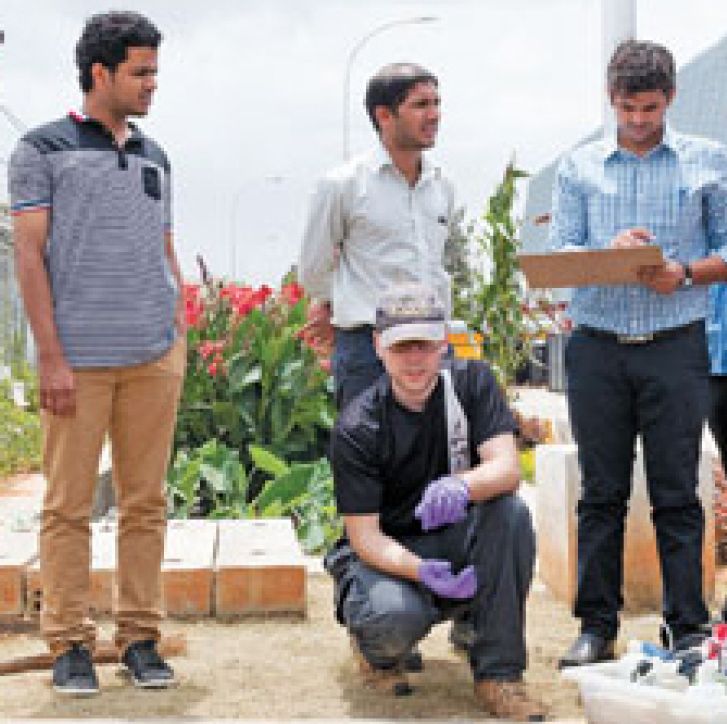
Sewage treatment systems are being built that are simpler and less expensive.

Focusing on reducing costs can be the key to unlocking results at greater scale. Nonprofits in India and the United States provide important lessons for NGOs around the world on just how to do that.


Funders are calling for more program evaluation, but nonprofits are often collecting dubious data, at great cost to themselves and ultimately to the people they serve.

Large-scale social change requires broad cross-sector coordination, not the isolated intervention of individual organizations.

For NGOs, impact comes in different forms and to track the cycles of social change work, we must think across the tangibility and the speed of emergence of change.

With an understanding of these 10 funding models, nonprofit leaders can use the for-profit world's valuable practice of engaging in succinct and clear conversations about long-term financial strategy.

Professionalism has become coded language for white favoritism in workplace practices that more often than not leave behind people of color. This is the fourth of 10 articles in a special series about diversity, equity, and inclusion.