


A Framework for Business Action on Climate Justice
Why we need to move business from the margins to the mainstream on climate justice, and how to get there.
Innovative ways to enhance corporate social responsibility (more)

Why we need to move business from the margins to the mainstream on climate justice, and how to get there.

As a cross-sector collaboration, ESG means different things to different people, but systems change will require building a shared understanding between diverse stakeholders.

“Net-zero” and “carbon-neutral” are prominent corporate climate pledges … that won’t come to anything.

Local social networks are often filled with just as much misinformation, racism, and toxicity as global platforms, with effects that can be even more severe.

An excerpt from Radical Curiosity on how awe can be a framework for rethinking the social practice of innovation.
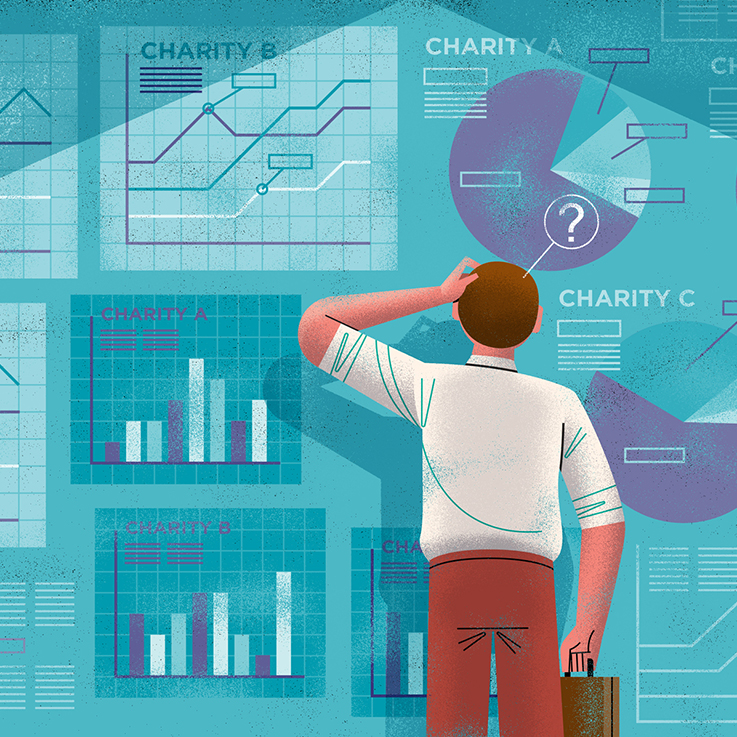
A recent study shows that comparable, easily digestible metrics shifted donations from charities with only a good pitch to those with demonstrable results.

Companies and nonprofits need to be more realistic and empathetic that consumers’ decisions are not purely driven by cost.
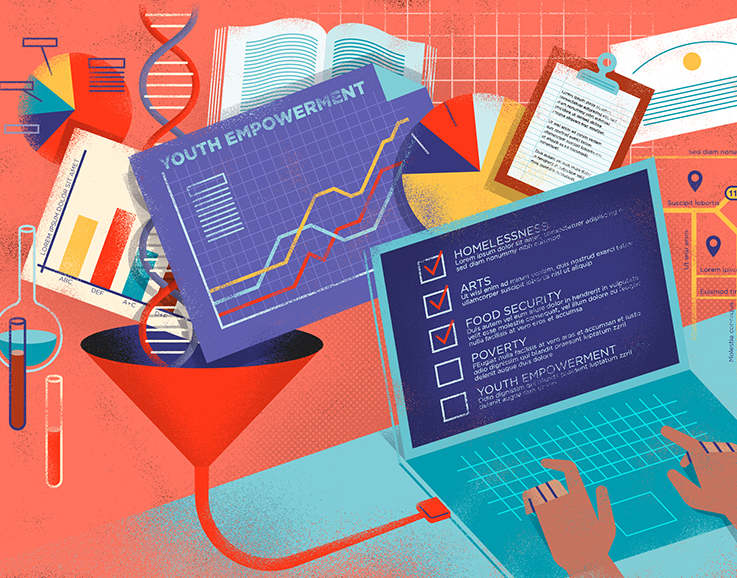
Wouldn’t it be great if you could simply report your program results and get them externally verified by a trusted third-party registry? It’s not as impossible as it sounds—in fact, we’re close.

The ethical pause—a short period of reflection and inquiry about a project’s ethical implications and the team’s approach to the work—helps ensure teams ask the right questions and address issues of inequity and access in the services they develop.
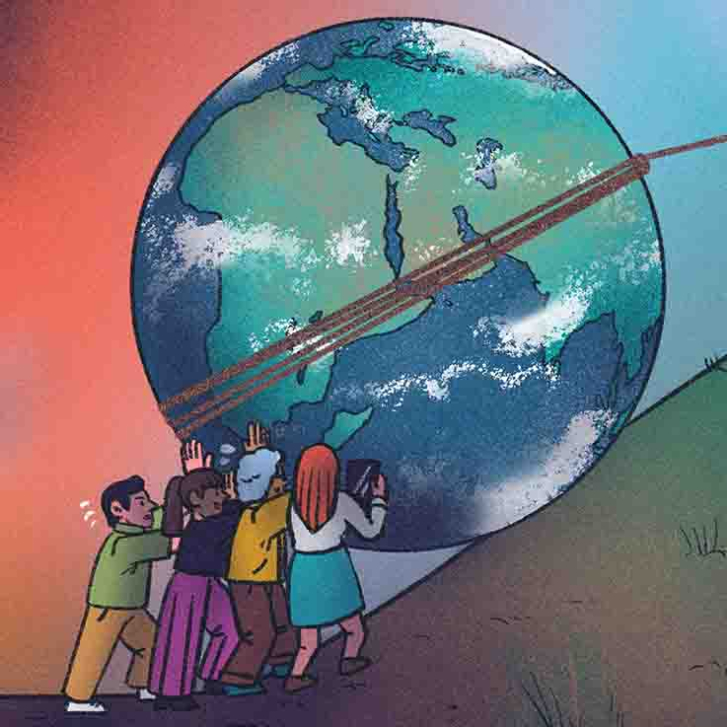
Through intentional investments and informed divestments, investors, philanthropists, and foundations can support environmentally conscious, community-centered, and reparative approaches to economic and technological change.