


sponsored
Smart Nonprofits
Cloud-powered smart technology liberates resources so that organizations can focus on the work that matters most.

Cloud-powered smart technology liberates resources so that organizations can focus on the work that matters most.


Our investigation into the sustainability reporting of some of the world’s largest companies revealed misleading statements, obfuscation, and diversion. Senior management and auditing and assurance practices must do better.

Mercy Corps has paved a new era of innovation with cloud-driven programming that fully grasps the complexities of humanitarian emergencies.

Constant connectivity harms employees’ work-life balance and mental health. Better labor policy and remote work legislation can help meet the needs of people and organizations.
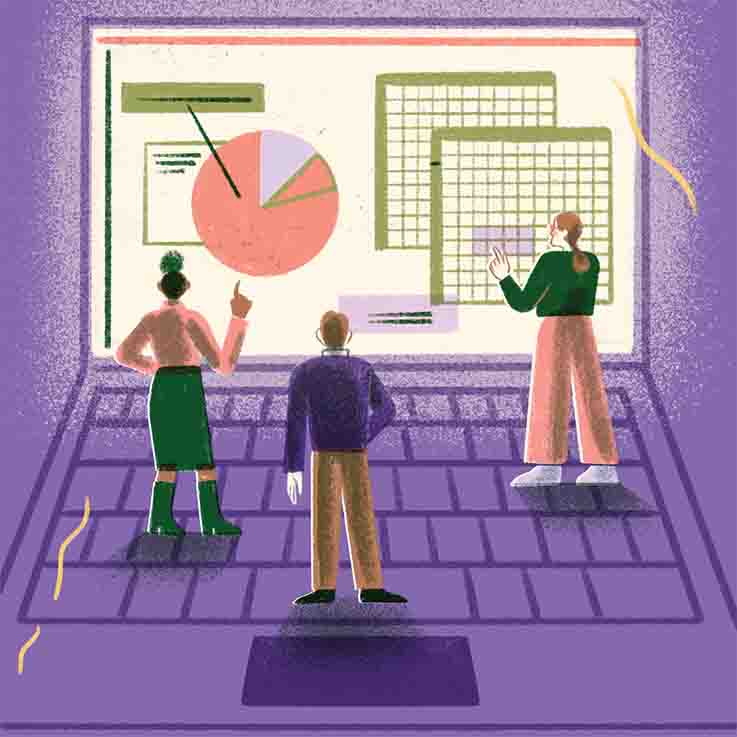
A powerful tool for collecting and analyzing data requires nonprofits to rethink not just their technology, but their culture.

Cloud technology has fueled Moneythink’s ability to better serve students in real time.

The Barnes Foundation is using digital tools to grow its educational mission and reach new audiences.

charity: water’s sensor technology guarantees that potable water flows continuously to communities in need.

A network of scientists seeks to make the ecosystem of mycorrhizal fungi visible for their conservation.