


SSIR Online, Winter 2021 Issue
Links to all of SSIR's online-only articles published the past three months, with editors' notes about standout pieces on menstrual health, virtual events, and the downside to an overly positive organizational culture.
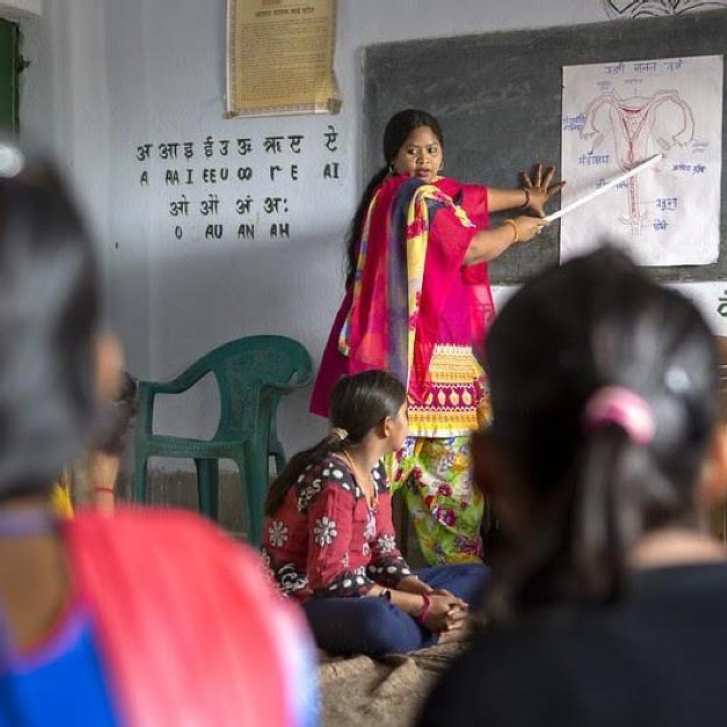
Links to all of SSIR's online-only articles published the past three months, with editors' notes about standout pieces on menstrual health, virtual events, and the downside to an overly positive organizational culture.

The Swedish model of relying more on civic-minded ethics than on government restrictions has proved to be an outlier worldwide.

A call for organizations to mitigate the risk of change in the social media landscape by strategically decoupling themselves from platforms that are causing harm.
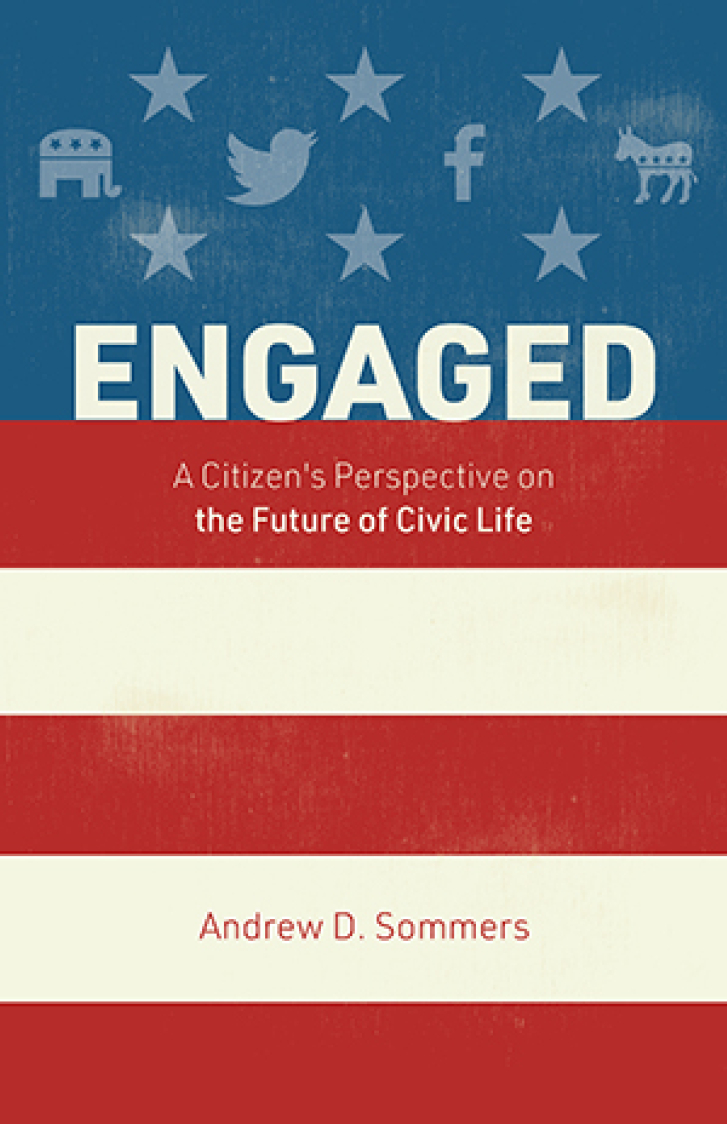
A new excerpt from Engaged guides us to create a more active citizenship and democracy.

Following a landmark national election in the United States, we present a series of reflections on the outcome and its effects on civil society and the social sector.

Establishing a shared understanding of Fresno’s racist policies and practices is key to how The Shared Prosperity Partnership will share power with residents who have been routinely excluded.

Instead of pressuring already-stressed individuals to fix themselves, true wellness requires organization-level interventions.

Research from the Abdul Latif Jameel Poverty Action Lab (J-PAL) and its partners shows how to help children learn amid erratic access to schools during a pandemic, and how those solutions may make progress toward the Sustainable Development Goal of ensuring a quality education for all by 2030.

To build healthy, resilient organizations, nonprofits need to do more than adopt standard diversity, equity, and inclusion practices. They need to acknowledge systemic racism then commit to and implement processes to upend it.

A new book prescribes an active approach to managing uncertainty and creating positive outcomes in a fast-changing world.