Can Technology Finally Deliver on India’s Legal Aid Promise?
New digital projects could make legal services far more accessible—but they need to be about more than just the technology.

New digital projects could make legal services far more accessible—but they need to be about more than just the technology.
An excerpt from Reverse Innovation in Health Care: How To Make Value-Based Delivery Work
Systems are the bedrock of every society, but it is our shared dignity as human beings that truly determines whether a society works. When society becomes uncivil, it is clear that only our shared humanity as a people can save it.
A new metric measures the real value of natural goods—and shows us what we stand to lose.
The exercise of faith serves many functions, but its paramount role is to function as the foundation of civil society.
Civic engagement and community voice make up the secret sauce of US democracy. We need a new, community-generated social compact to assert the vision and policy framework for an inclusive 21st-century America.
In a time when many are drawing a line between communities and ideologies, the best line to draw is one that goes right through every human heart—a line that leads to five essential civic virtues.
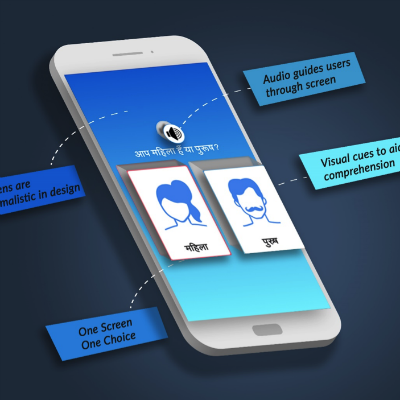
Mobile interventions have great potential to make health care in India more accessible. But for providers to succeed, they must develop a nuanced understanding of the barriers to digital consumption and consider four specific aspects of design.
An excerpt from Leapfrogging Inequality: Remaking Education to Help Young People Thrive.

Institutionalizing college savings through the application of savings strategies from financial behavior research can help make college accessible to all.