


Finding the Right Messenger for Your Message
Trusted messengers are important to the success of any advocacy campaign. Here are eight archetypes and four audience contexts to help organizers find the right ones.

Trusted messengers are important to the success of any advocacy campaign. Here are eight archetypes and four audience contexts to help organizers find the right ones.

While traditional scientific methods are not well suited for assessing advocacy, evaluation is necessary for making informed decisions about what meaningful and realistic outcomes to seek from human rights advocacy.

Why the social economy needs to step up and shape technological development to address social needs, and five strategies to get there.

A new framework identifies racial harms and other forms of discrimination in order to create work environments where everyone feels they belong. Part of an in-depth series that explains how racism operates within organizations.

Why more funders need to address multiple issues simultaneously, and what the only US foundation currently funding intergenerational programs has learned from the approach.

The business world’s “Engine 1/Engine 2” concept can help ambitious nonprofits balance today’s needs with tomorrow’s potential.
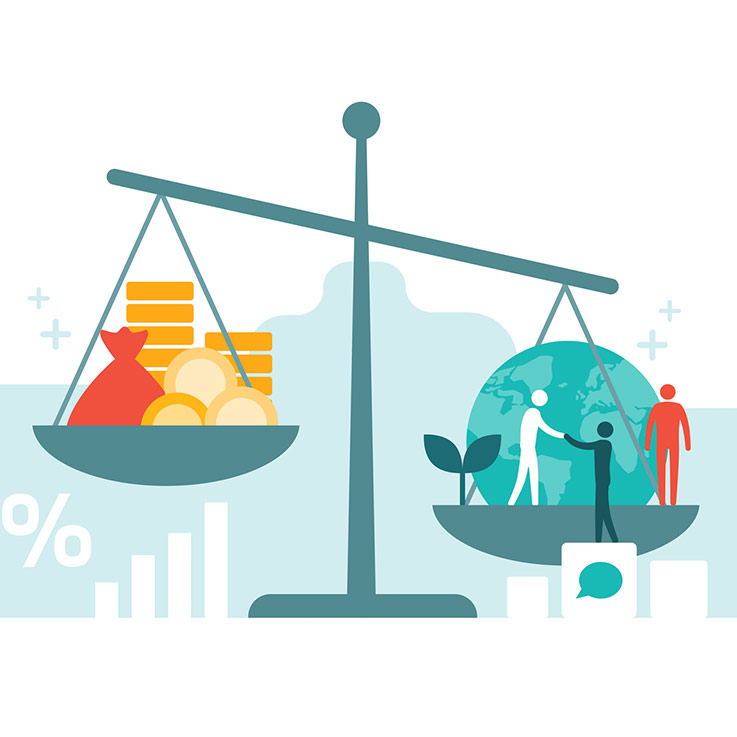
The social economy is increasingly seen as a motor for social change, but how can this shift in perspectives be framed to better understand and harness its potential?

A new book argues that “alien” thinking can drive social change.
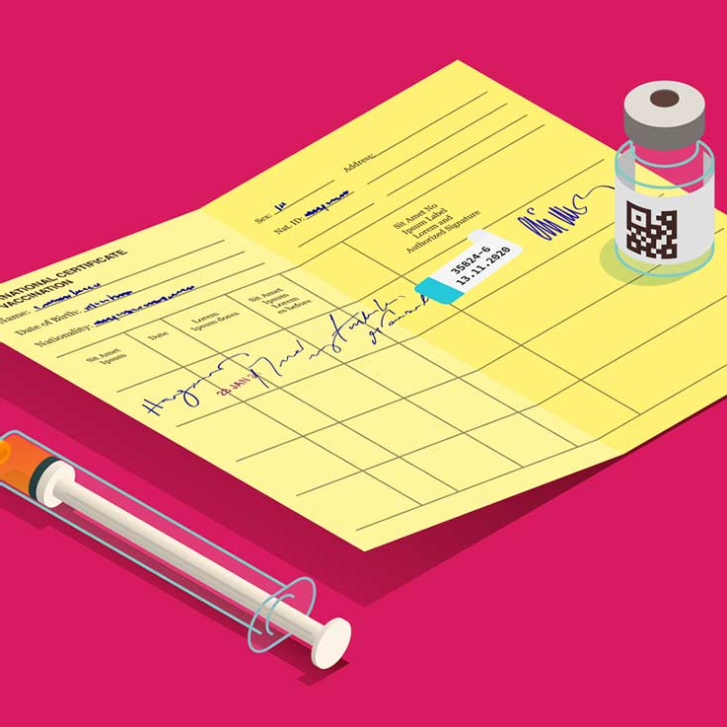
A collection of SSIR articles on civil society's insights into the logistics behind a global vaccination campaign, including ideas for winning over the hearts and minds of people who aren’t yet convinced they should get the shot.

Lack of access to capital is a longstanding and well-known barrier to equity for communities of color and women, but overcoming systemic injustices will take more than moving money. How investments are made, and the power dynamics behind those decisions, need to change, too.