

Economic Development
Good to the Last Mile
Solving the problem of rural distribution in the developing world starts with following the time-honored model of local traders.
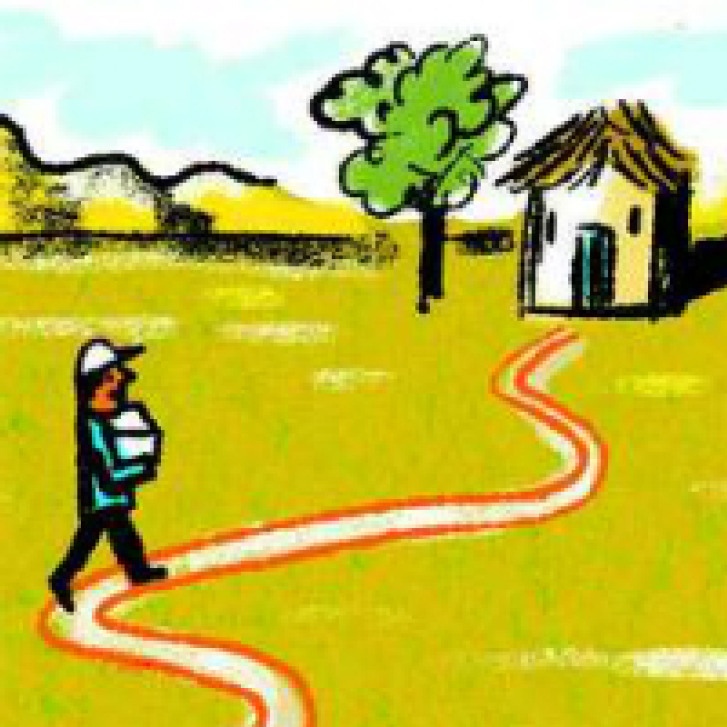
Solving the problem of rural distribution in the developing world starts with following the time-honored model of local traders.

Disapproval of welfare recipients who use their benefits to buy “ethical” but costly items is widespread.

Corporations that suffer from reputational threats often form unlikely alliances with social activist groups.

Contrary to conventional economic wisdom, relying solely on carbon taxes will not create an optimal transition to clean energy.
In working with stigmatized groups, an organization must manage the risk that it may experience stigma as well.
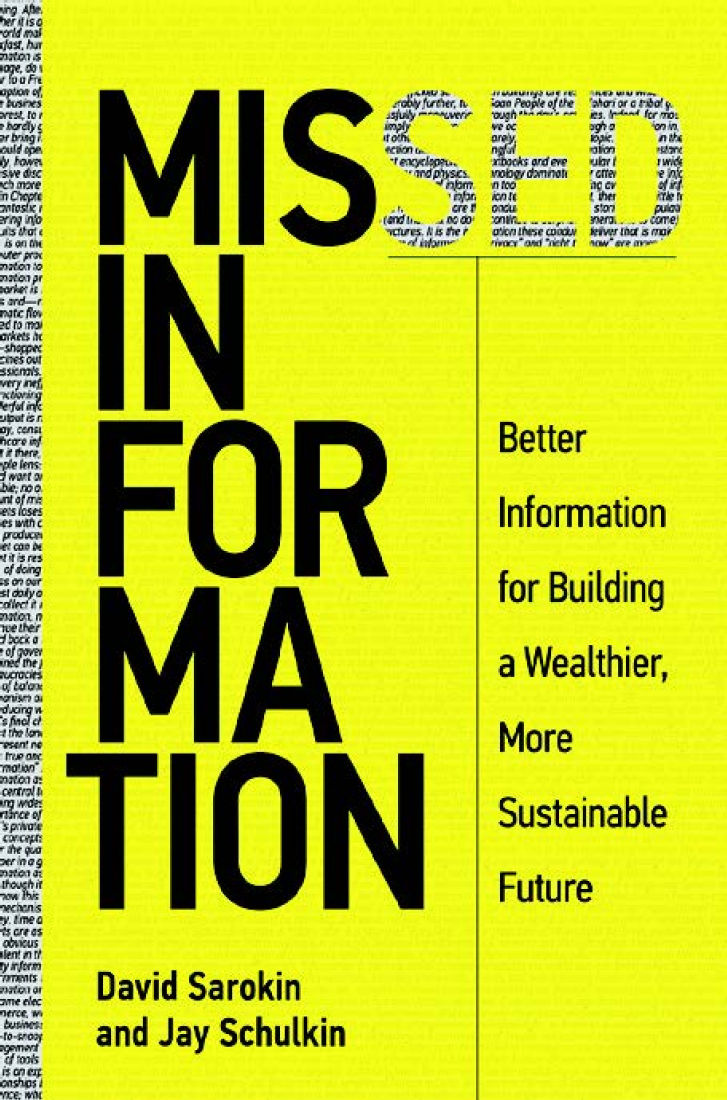
We should care about who is able to control and distribute data, but information is more than just a commodity.
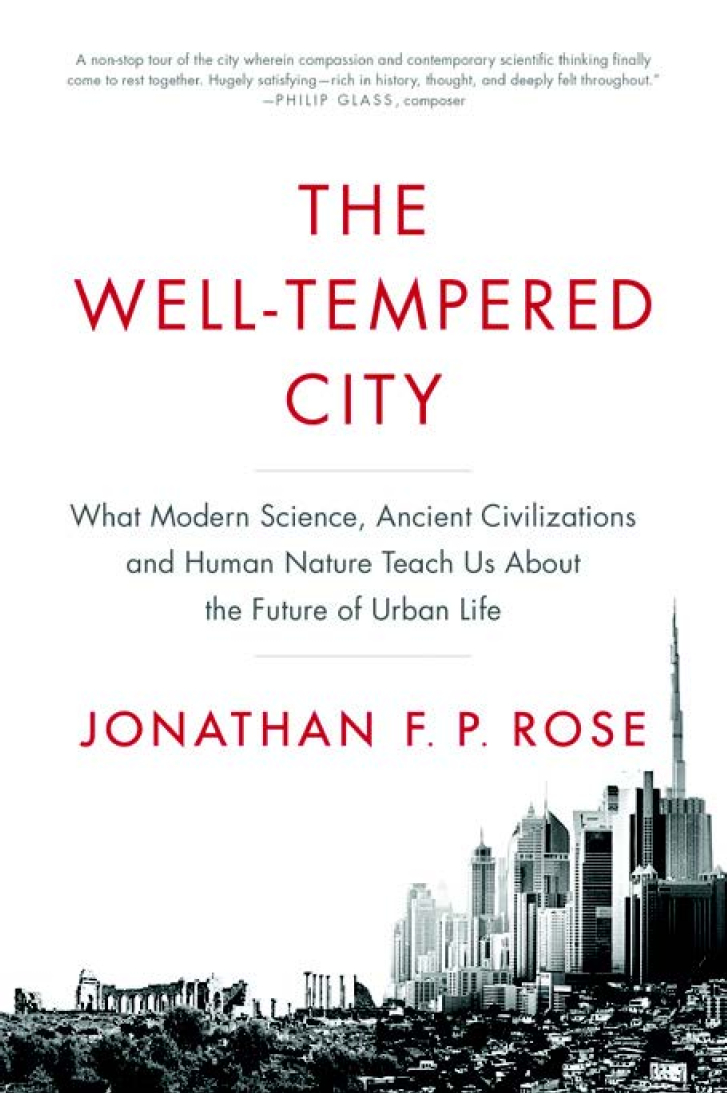
Rose’s bold theory, which offers a new framework for urban planning, could benefit from equally comprehensive recommendations about how to implement it.

A new book makes a strong case for connecting healthcare to neighborhoods, but it could focus more on the role of race and ethnicity.
It can be tempting to overgeneralize about patterns in China’s economic development—even for scholars who acknowledge the country’s great diversity.
Too many nonprofits develop products and services without paying enough attention to their customers (the beneficiaries).