Three Questions With Darren Walker
Ford Foundation president Darren Walker talks with SSIR senior editor Michael Slind about what organizations like his can do to address inequality.
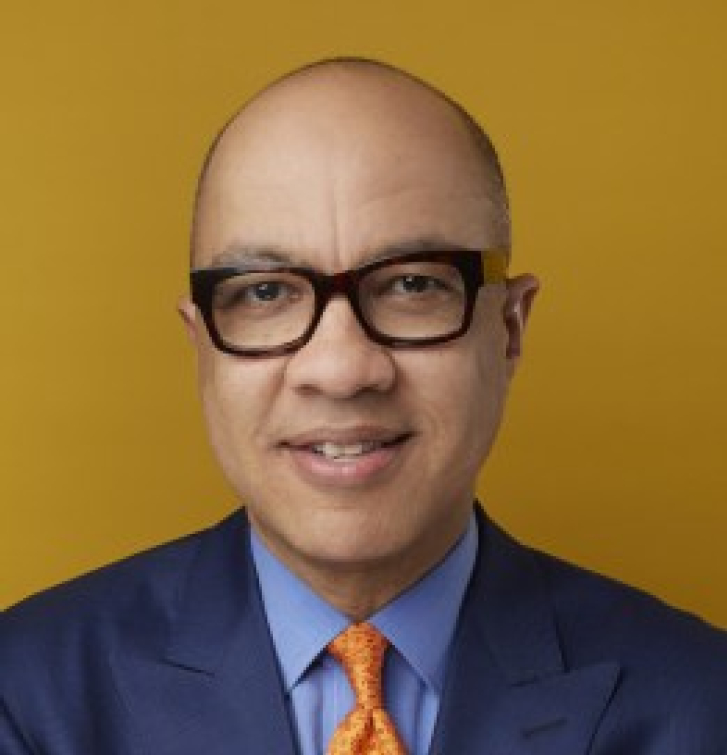
Ford Foundation president Darren Walker talks with SSIR senior editor Michael Slind about what organizations like his can do to address inequality.
A model of social entrepreneurship focused on market-based solutions and profit is threatening to crowd out more collaborative approaches.

How leaders are integrating both the network and organizational mindset into their pursuit of social impact.

A clear definition of equity would seem paramount to galvanizing philanthropy into action around this increasingly used term—but the field is only beginning to explore what it really means.

Why social sector organizations should make engaging for-profit companies a normal part of their problem-solving strategies—and four ways to do it effectively.

How a Venezuelan model of music education is bringing a sense of inclusion to children in immigrant communities in Denmark—and around the world.
Many microfinance impact investors are not monitoring the social components of the financial service providers (FSPs) they finance—but doing so can make a substantial difference to business success.

How can we ensure all children across the globe learn the skills they need to be successful in an increasingly interconnected, technologically advanced world?

A lack of creativity in campaign tech can stifle social change. Advocacy organizations need to take more chances with technology and think beyond existing tools to achieve greater impact.
Refining the raw talent of the 5.5 million young Americans out of work and out of school provides compelling opportunities for companies, youth, and society—a rare trifecta—that a growing number of corporate leaders are betting on.