A Toolbox for Change: the Social Capital Markets Conference
Instead of the profit/nonprofit distinction, individuals should ask themselves: Who is the target beneficiary and what are the best products/services that can be provided?
Instead of the profit/nonprofit distinction, individuals should ask themselves: Who is the target beneficiary and what are the best products/services that can be provided?
We must not allow skin-deep, compliance-driven transparency to become an acceptable substitute for values-driven, culturally ingrained efforts.

Without a healthy civil society it becomes difficult if not impossible to solve other, more readily apparent problems.
Three films, Waiting for “Superman”, The Lottery, and Teached, all of which provide a candid and critical look at U.S. public education, hit the big screen this year. Positioned to generate conversation and action about education reform, these documentaries take you into the lives of children and families who are struggling in a system that is failing them. 2010 Sundance Audience Award winner Waiting for “Superman” has garnered attention through its support from Bill Gates, Oprah Winfrey and Mark Zuckerberg, among others. This panel of filmmakers speaks on their experiences telling these powerful stories and offers ways for the audience to be part of the solution in their own communities and via media platforms. They spoke at the 2010 NewSchools Summit, an event convened by the NewSchools Venture Fund.
The need for holistic approaches to poverty alleviation for young people in Africa.

Water is one of the most hidden of our environmental sustainability issues, and yet it poses critical challenges for our future
With a much talked about leadership gap on the horizon, we need to support the developing group of new leaders.
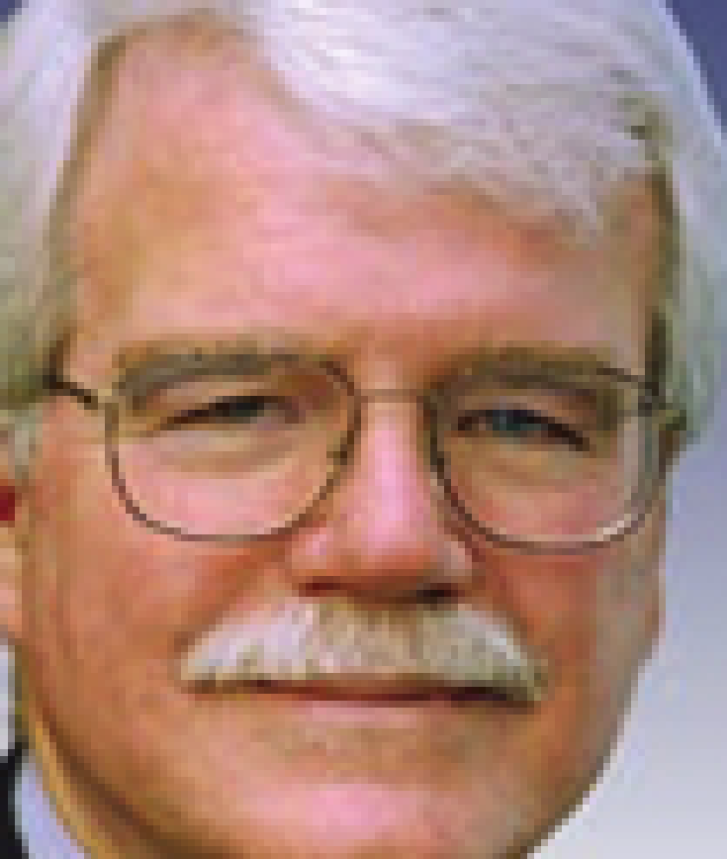
U.S. Secretary of Education Arne Duncan and Chairman of the House Committee on Education George Miller, address the NewSchools Summit 2010.
The Shared Services business model has something to offer small nonprofits that need to maintain their independence and community linkages.