


Fixing the S in ESG
How to move from net zero to net impact.
Innovative ways to enhance corporate social responsibility (more)

How to move from net zero to net impact.

Four steps B Corp must take to successfully implement its “glocalization” strategy and promote responsible business in South Korea and beyond.

The movement to monetize corporate externalities is feasible, timely, and necessary.

Unlike universities or medical centers, businesses are always at risk of moving. But by focusing on anchoring strategies—rather than on the institutions themselves—we can see how businesses can play constructive roles in building wealth and health in their communities.

Transitioning businesses to employee ownership has the potential to significantly reduce the overall wealth gap as well as the racial equity gap. But it will take capital investment to scale.

An excerpt from Activate Brand Purpose on what companies can learn from societal movements’ decay and success.

Eighteen months after an unprecedented movement for racial justice, many organizations are feeling frustration and disappointment. What now?

For ESG compliance to become more than lip service, corporate leaders say they need activist pressure, government regulation, and a strong business case.
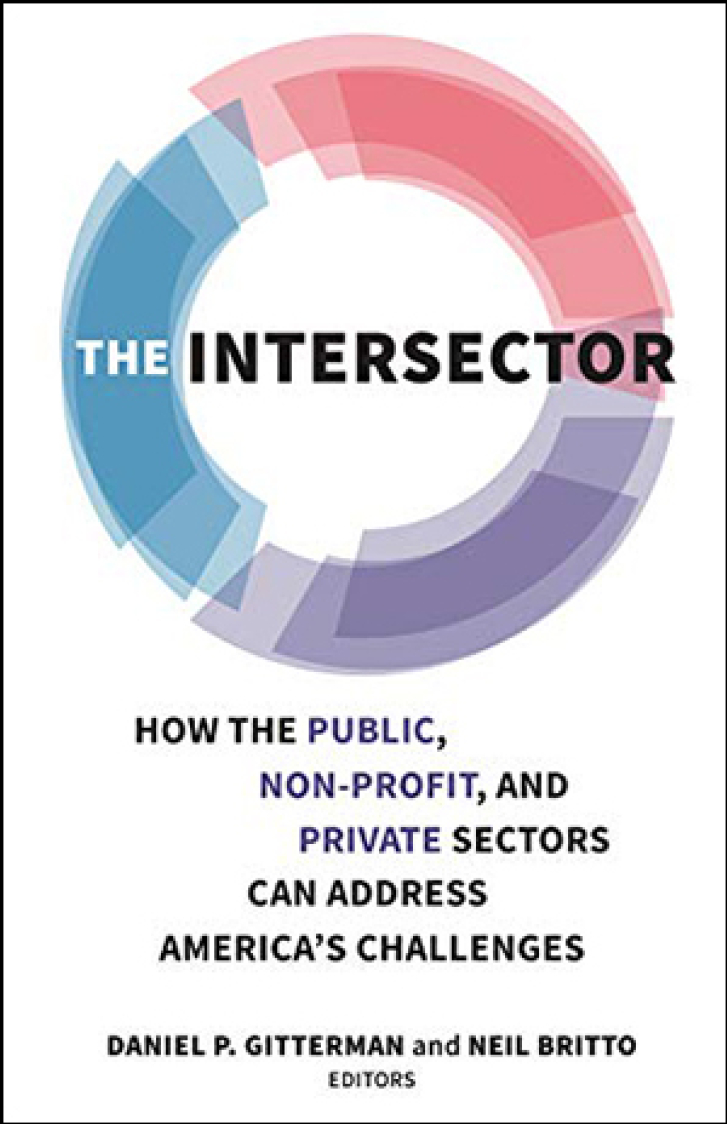
Two excerpts from the edited collection, The Intersector, on building public trust through cross-sector collaboration between the public, nonprofit, and private sectors.

The passage of the Infrastructure Investment and Jobs Act gives those of us in the nonpartisan public policy space reason to be optimistic.