


Urban Renewal?
The Fairmount Corridor project revealed a central tension in community development: Community-based organizations both enhance and undermine democracy. A Research article from the Fall 2019 issue.
Social innovations that improve the health and resiliency of cities (more)

The Fairmount Corridor project revealed a central tension in community development: Community-based organizations both enhance and undermine democracy. A Research article from the Fall 2019 issue.

A look at how Switzerland radically and successfully changed its approach to drug policy following a heroin epidemic in the late 1980s and 90s, and what the effort teaches us about the social innovation process.

Placemaking strategies can improve city life, but they must be used equitably and ensure community involvement. This is the sixth of 10 articles in a special series about diversity, equity, and inclusion.

Place-based development incentive programs like Opportunity Zones in the United States and Enterprise Precincts in Australia need a robust framework to meaningfully identify and measure public benefits and the delivery of them. The Net Community Benefit Methodology can help.

Readers of a recent article on neighborhood trusts raised a number of objections to the author's proposal for revitalizing distressed urban communities.
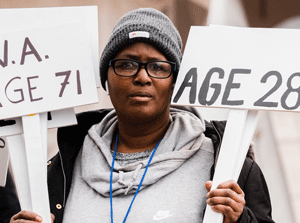
Nonprofits that set their sights higher can achieve more.

Project Solidify, a collaborative two-year-long effort started by the European Forum for Urban Security, aims to assist in the implementation and sustainability of supervised injection sites throughout Europe.
Lower-income communities have stronger need for nonprofits but struggle to attract and sustain them.

Highlights of this year’s book reviews and excerpts on issues including women’s inequality, sustainable leadership, and the hypocrisy of elite philanthropists.
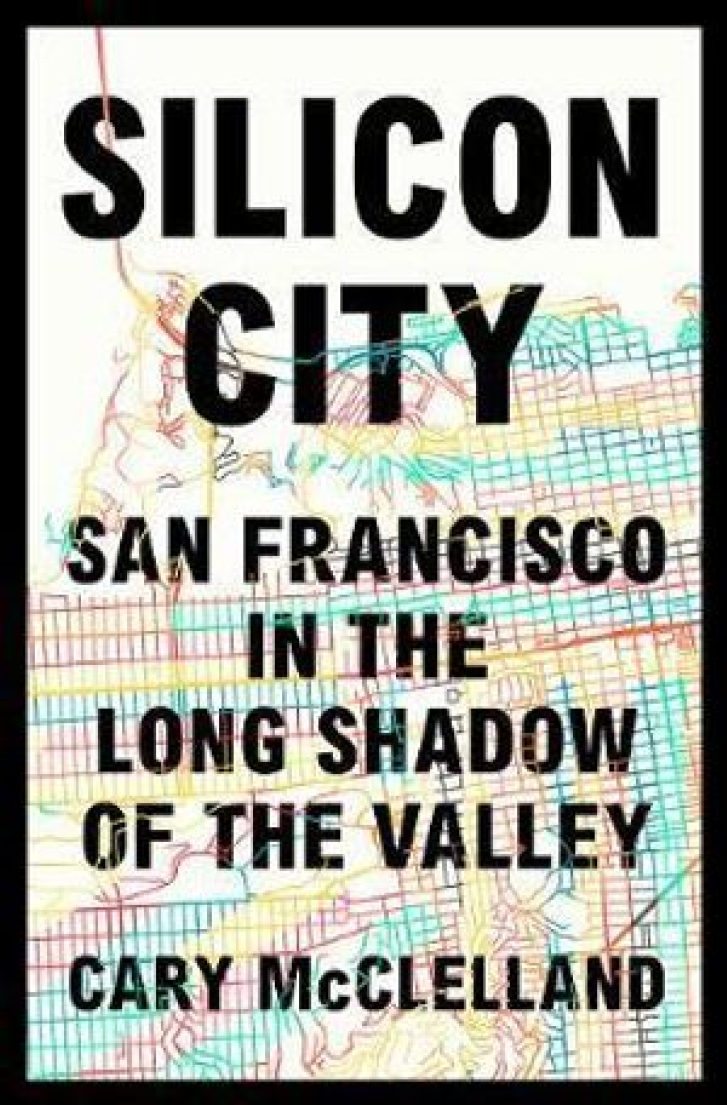
Cary McClelland's new book, Silicon City, documents the transformation of San Francisco in the digital age.