


Risks for the Future We Want
Philanthropists must learn from protesters and reimagine the formula for making change on racial justice.
Social innovations that improve the health and resiliency of cities (more)

Philanthropists must learn from protesters and reimagine the formula for making change on racial justice.
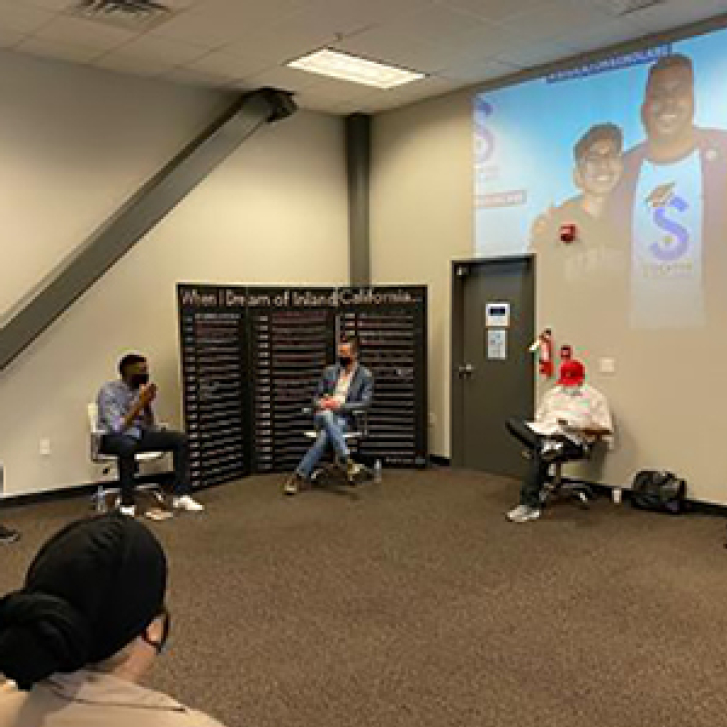
Inland regions are rapidly diversifying, and leaders of color in places like the Inland Empire need investment. Philanthropy needs a new playbook for this intersection of racial equity and regional equity.

How standardized testing, gentrification, school choice, and economic downturn have widened inequality to create an existential threat to democracy.
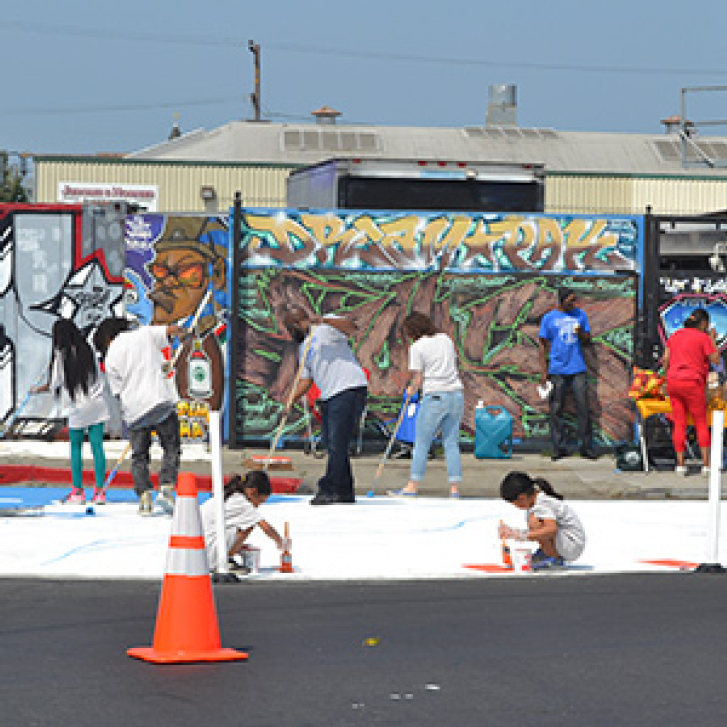
A look at four “housing-plus” initiatives that are building healthy neighborhoods.
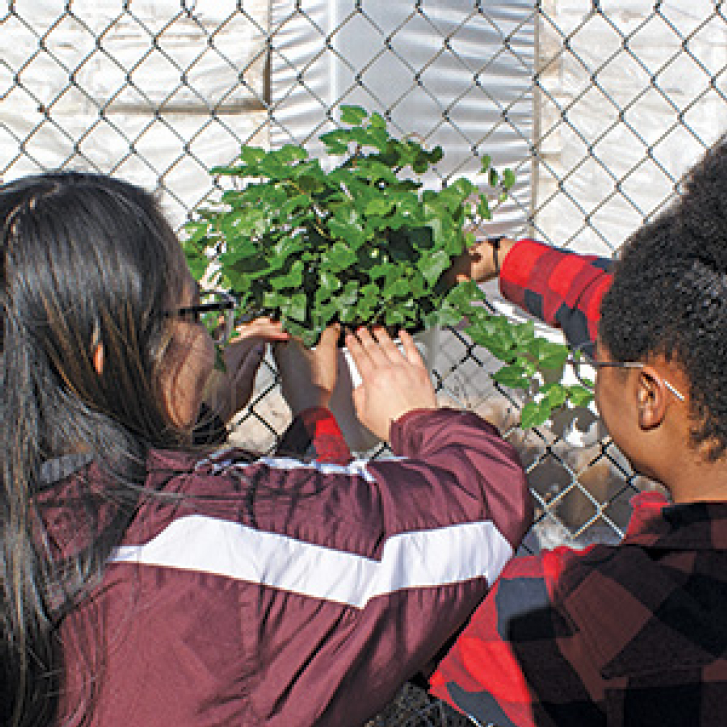
Plant Seads designs planters to turn metal fences into sustainable urban gardens that can produce food and clean the air. A What's Next article from the Summer 2020 issue.
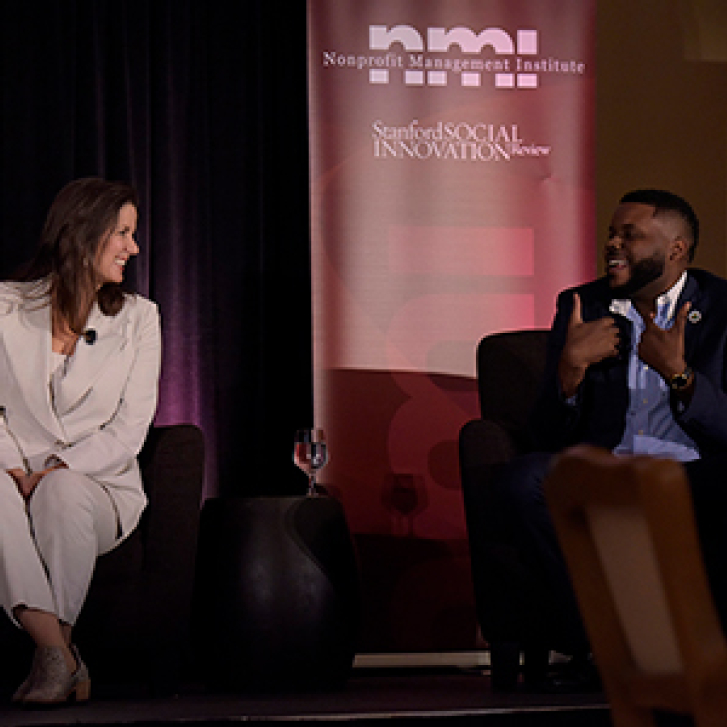
A discussion between two California mayors on how the public sector and nonprofit leaders can work together in a time of anxiety and disruption.
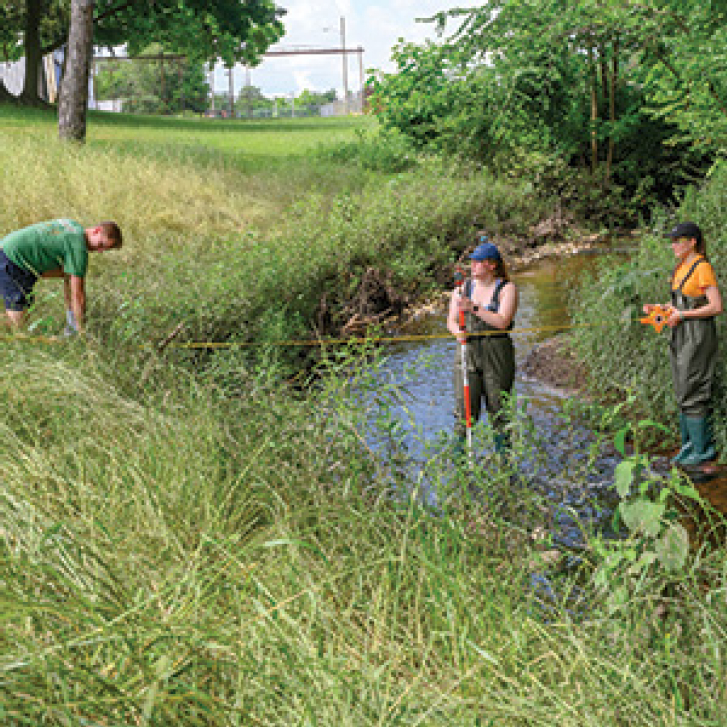
Interns in South Bend, Indiana, first collaborated to help restore a polluted neighborhood waterway. Then the project grew into something bigger. A Field Report from the Winter 2020 issue.
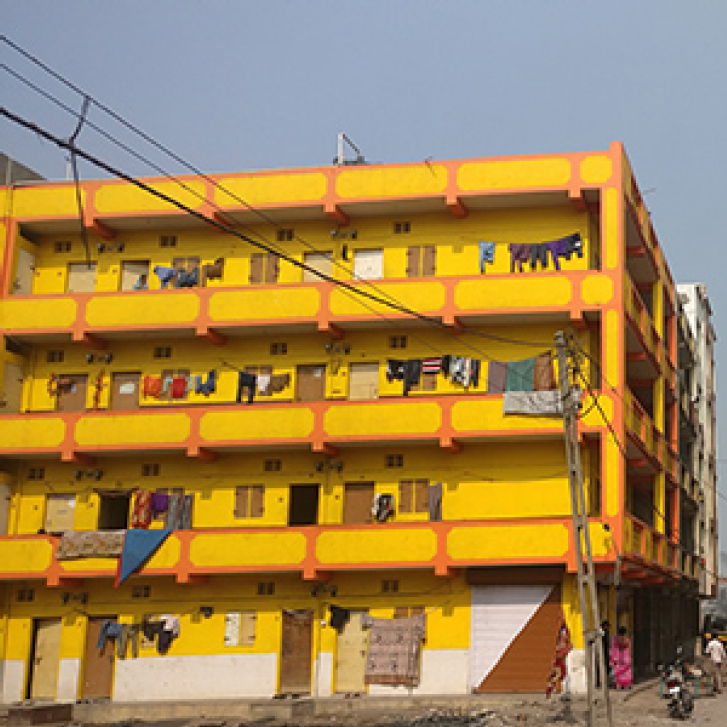
Businesses straddling the worlds of commerce and development offer the chance to address poverty at scale, but very few succeed. To improve them in India and elsewhere, investors and practitioners should note four common challenges and ask five simple questions.
Foundations, governments, and crowdfunding platforms show how Opportunity Zones can live up to their promise of making investors money while helping struggling communities across the United States.

A 1970s partnership between wealthy white liberals and black activists illustrates the tensions of race and power in philanthropy. A Research article from the Fall 2019 issue.