


SSIR Online, Summer 2025 Issue
A collection of standout pieces published online about field-building, cross-sector transformation, AI, structural change, and social sector messaging.
Innovative ways organizations can work together to increase their overall reach and efficacy (more)

A collection of standout pieces published online about field-building, cross-sector transformation, AI, structural change, and social sector messaging.
As promoters and defenders of a free civil society, we at SSIR today find ourselves taking sides: We stand with you as allies against the rise of authoritarianism in the United States and abroad.
The world is undergoing simultaneous economic, technological, geopolitical, environmental, and social changes that organizations cannot address alone. Only a collective approach to social innovation can solve for challenges that are too large for individual organizations.

Funders who care about justice should enable communities to lead their own research projects. | Open access to this article made possible by the Robert Wood Johnson Foundation
Many public-private collaborations that address complex social problems flounder. We offer a new model to get such partnerships back on track.

Cross-sector collaboration can help cities tackle complex social and economic problems, but results are mixed. New research suggests that how a collaboration responds to setbacks plays a crucial role in its success. Rather than seeking the “perfect” governance model, collaborators should adopt five key actions enabling progress.
Lessons from 15 cities in Eastern Europe and Central Asia on addressing interconnected civic challenges.
We need to design for what African governments can do and will pay for.
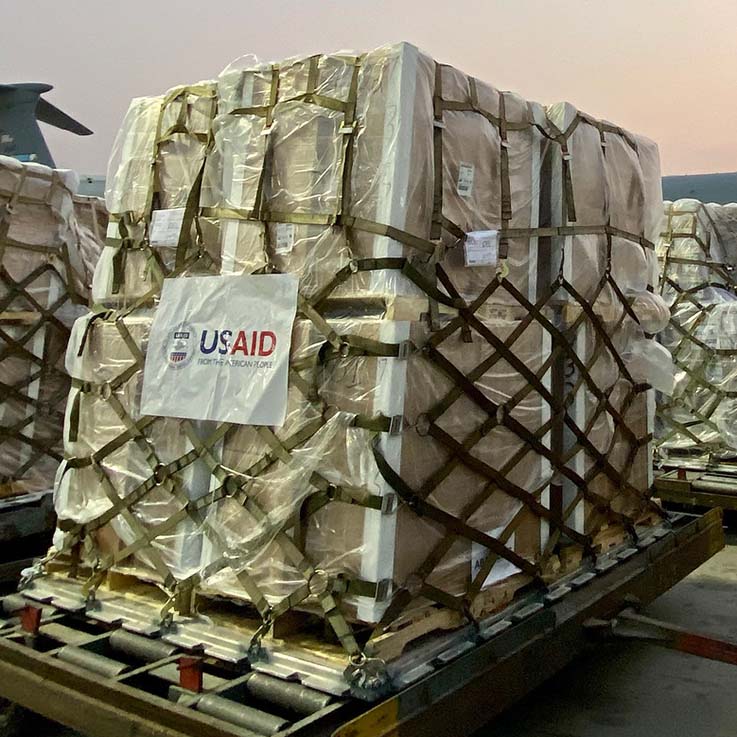
Just a few years ago, philanthropy showed what it could be at its best: nimble, coordinated, unusually brave. This time, facing the sudden slashing of foreign aid, the cavalry is quieter.

The nonprofit sector and its philanthropic supporters still too often overlook the most effective pathway to exponential impact.