


Buy to Build: Nonprofit M&A as an Impact Enhancer
Mergers among nonprofits don’t have to be distress-oriented deals of survival. Rather, M&A can offer some compelling opportunities that are unique to nonprofits.
Innovations in educational policies, programs, and practices (more)

Mergers among nonprofits don’t have to be distress-oriented deals of survival. Rather, M&A can offer some compelling opportunities that are unique to nonprofits.

Invisible Hate is a digital platform that informs the public about the racist history of America’s Confederate monuments so that they can take action.

Researchers find that relationship-building exercises between troubled students and their teachers cut recidivism.

How a network mindset can break down silos between public agencies and nonprofits to successfully promote equitable and accessible education.

A look at how the collective impact initiative StriveTogether is enlisting data to resolve systemic barriers that limit opportunity for children and families of color in the United States.

Efforts at improving global education too often fail to have the desired impact. Outcomes funds can help shift funders and policy makers toward the most effective approaches.

Education stops intergenerational transmission of disadvantages, Danish administrative data shows.

Targeted scholarships may draw underrepresented groups away from more lucrative funding.
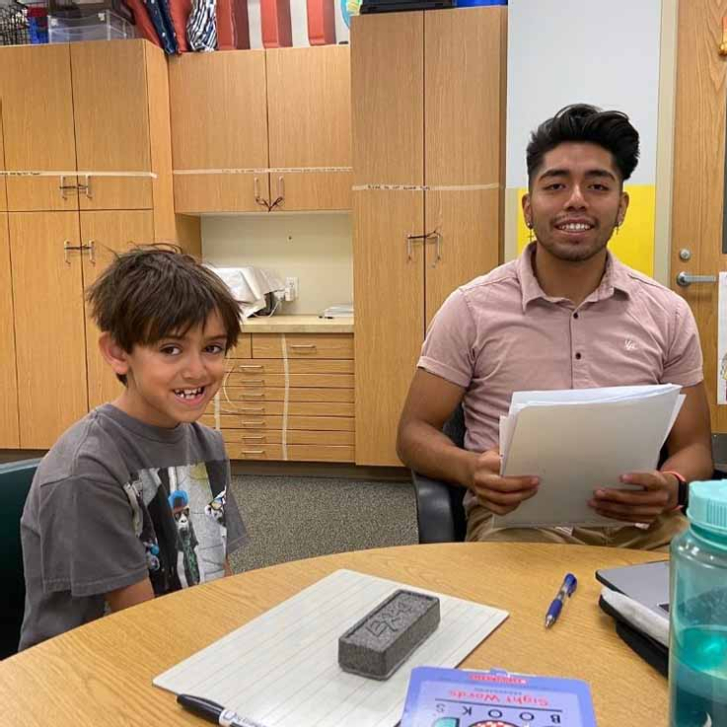
The pandemic’s disruptions have only exacerbated many social, economic, and cultural fault lines, and so, learning recovery programs must focus on quality and equity at both the individual and systems level.

To advance equitable social-emotional learning, schools would benefit from increased collaboration with out-of-school program providers.