


Food Doesn’t Grow in Silicon Valleys
A focus on innovation can be an impediment to genuine progress in the food system.
Innovative ways to increase access to food resources and improve food systems (more)
A focus on innovation can be an impediment to genuine progress in the food system.

Pamela Ronald, of the University of California, Davis, talks about how her laboratory, in collaboration with other scientists, developed a variety of rice with sufficient submergence tolerance to survive severe flooding.

John Kehoe discusses how the chocolate maker TCHO has encouraged social entrepreneurship in developing countries through innovative supply chain practices.

How one African country is changing how we feed the world.
TCHO company executive John Kehoe talks about the firm's goals in producing high-end products and helping farmers in developing countries.
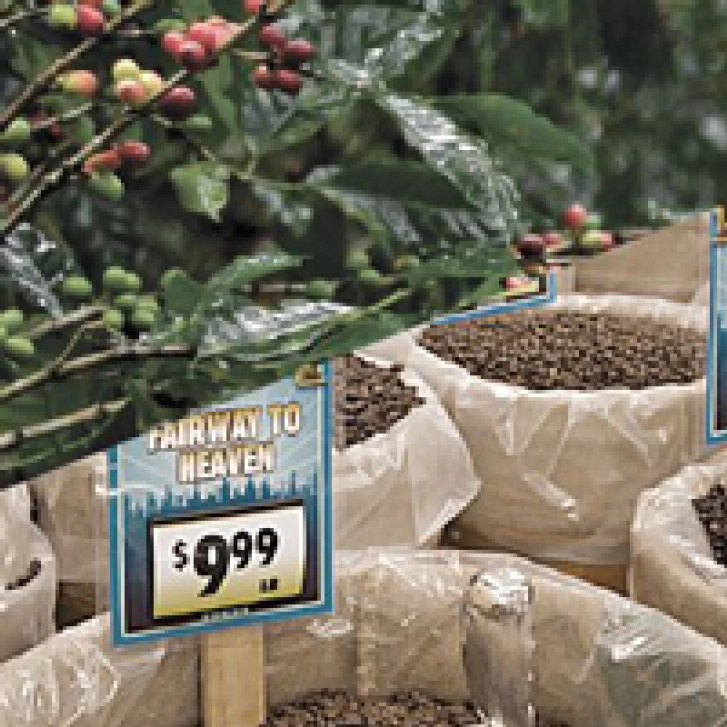
In 2011, a rift opened within the fair trade movement. What are the tensions that drove otherwise like-minded activists to form rival camps.
Investors and philanthropists must work together to generate more ecologically responsible and locally grown food for more people.

Employing social enterprise to improve packaging, Coca-Cola uses renewable resources and recycling projects to enhance environmental sustainability and international development.
In some places, users of the US Supplemental Nutrition Assistance Program can supplement their diet via community supported agriculture.

Tanzania might benefit from unexpected trade opportunities resulting from climate change—but the country must enact policies to take advantage of them.
