Making Civic Engagement Efforts Work
New experiments with civic engagement, outreach, and philanthropic models in Philadelphia offer inspiration for leaders across the social sector.
Innovative public sector policies and programs (more)

New experiments with civic engagement, outreach, and philanthropic models in Philadelphia offer inspiration for leaders across the social sector.

Three guiding principles for NGOs looking to find where they best fit within government-run systems and ensure long-term impact.
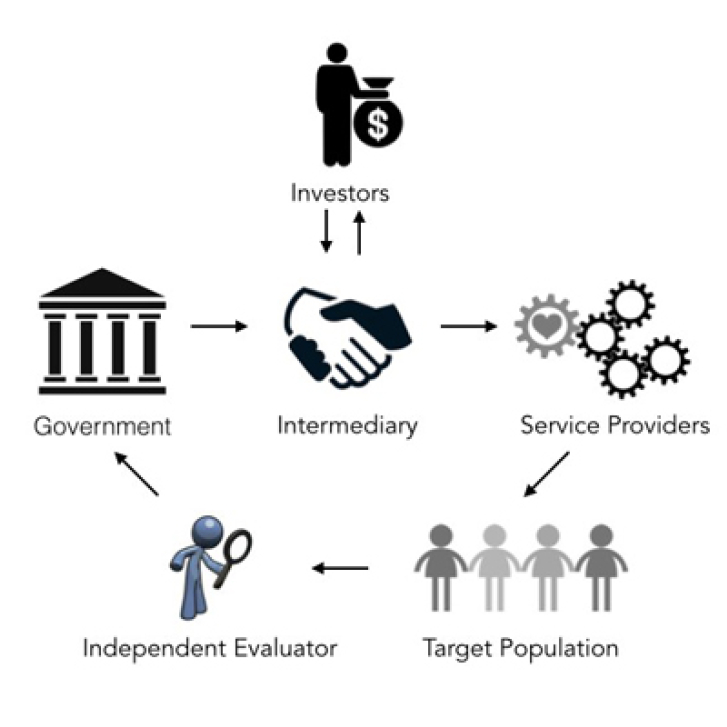
A look at how social impact bonds differ between projects and geographies, and how those differences impact practical implementation.
Growing confusion about impact investing's key principles and practices has it headed for a fall.
We’re in big trouble if complicated, expensive schemes like these are what it takes to get big funders to fund for impact.

How foundations, nonprofits, and others can effectively convey—and convince policymakers to support—their programs and proposals for social change.

A new French law is about to revamp the country’s civil code and its 200-year-old definition of the corporate purpose.

Nonprofits need a strategy to ensure that public dollars don’t put them in the red.

By focusing on four critical aspects of land rights, businesses can not only manage risks, but also do a great deal of global good while strengthening their bottom lines.

Global aid agencies must shift from just agreeing to “go local” to preparing development experts for the task.