


Taxes Are an Impact Strategy
More than an obligation, taxation contributes to the only systems ever shown to deliver essential services equitably and at scale.
Innovative public sector policies and programs (more)

More than an obligation, taxation contributes to the only systems ever shown to deliver essential services equitably and at scale.

Two humanitarian leaders working on the front lines of disaster and conflict recently cofounded The Aid Cloud, an innovative platform that connects private funding with local humanitarian organizations in a post-USAID world. N Hlaing and Jose Ravano speak with host Barbara Wheeler-Bride about the funding gaps in humanitarian and development work right now, why it’s often difficult for aid to arrive quickly in a crisis, and why it’s crucial to fund local organizations directly when communities are vulnerable. Giving With Impact is developed with the support of DAFgiving360®

Appalachia's trust-based recovery from climate disaster offers a vision of the future and a road map to follow, for anywhere in the world where underdeveloped infrastructure is exposed to climate volatility.

Choosing the right path to scale depends on the nature of the problem we're trying to solve.
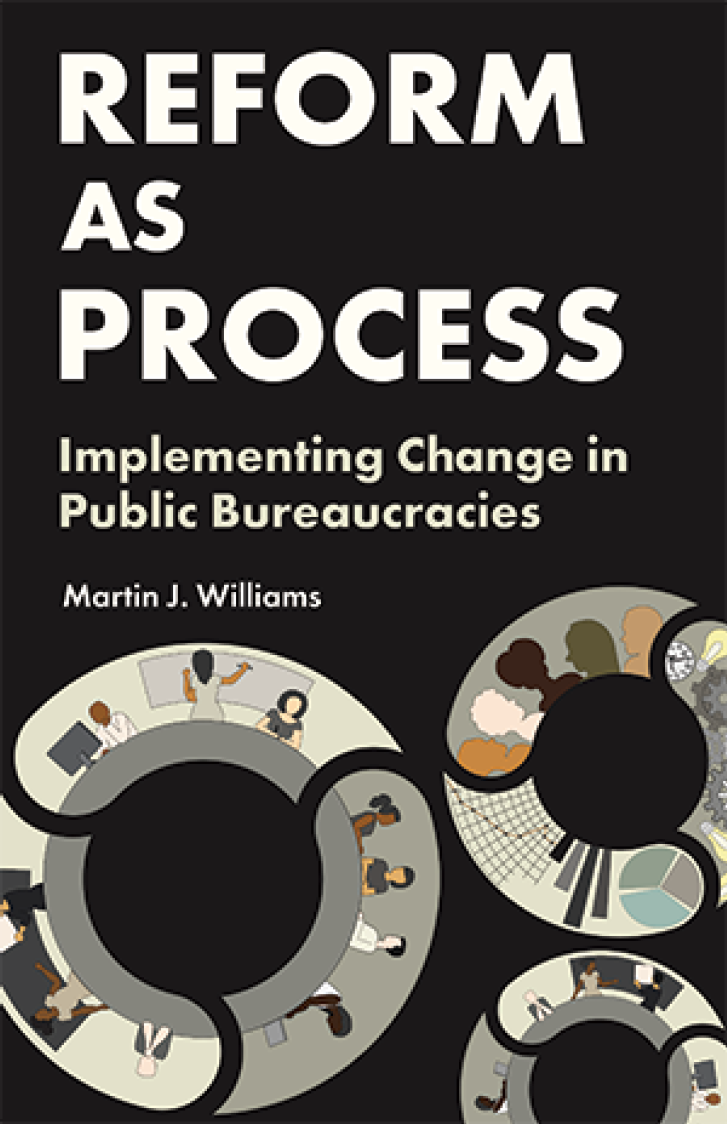
An excerpt from Reform as Process on reforming government bureaucracy

John Washington’s How to Close a Camp explores the contemporary growth of immigrant detainment facilities under the Trump administration but argues that entrenched political failures are what makes them possible and what must be addressed.

A single public metric ranking DAF sponsors by the share of assets they deploy would turn the incentive to accumulate wealth into a race to give.

Shifting away from rote learning requires more than the right inputs. Meaningful learning can only take place when school systems put the right political, cultural, and behavioral conditions in place.

If policy and spending decisions have become much more rigorous, why have outcomes still failed to improve?

How an innovative public-private partnership responded rapidly to keep 82,000 families fed during a government shutdown.