How Philanthropy Can Support Equitable Vaccine Distribution
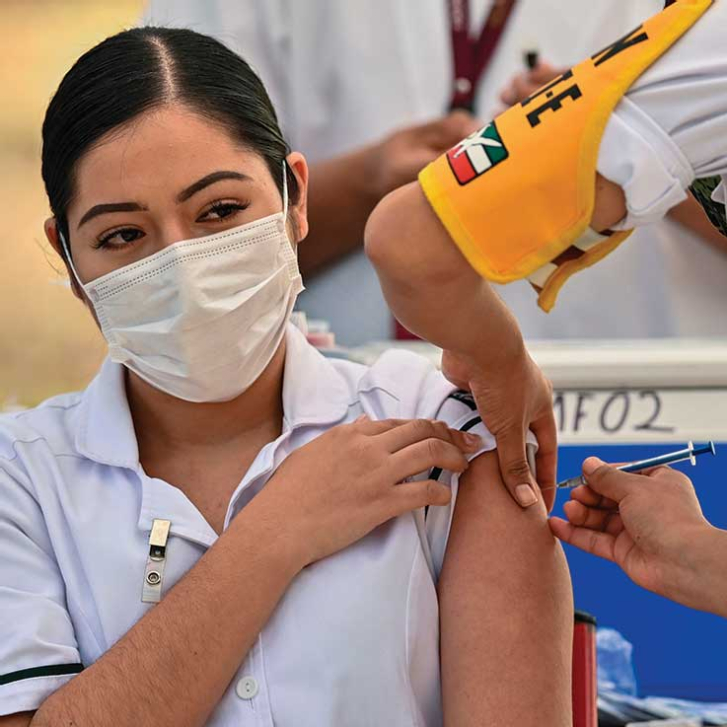
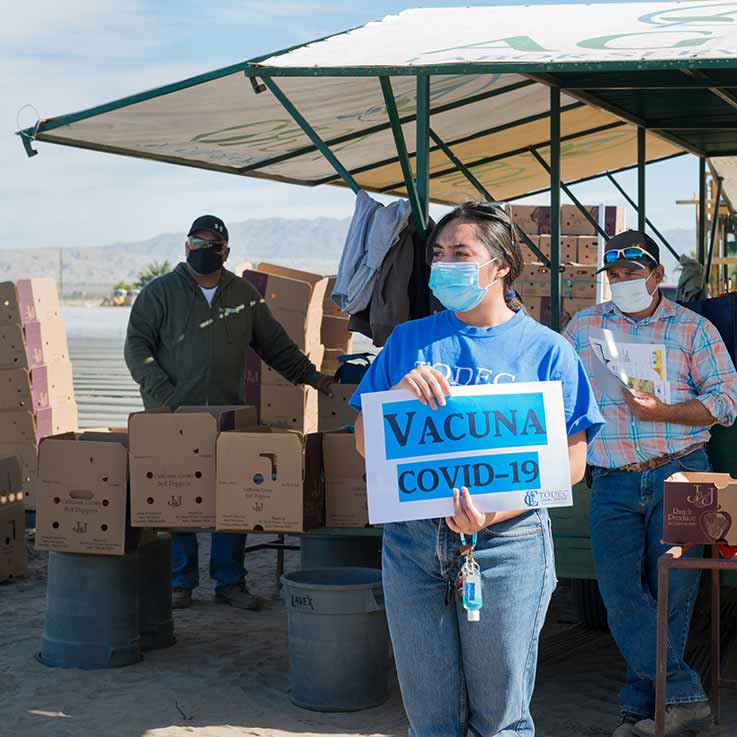
Four ways philanthropy can effectively partner with governments to support equitable vaccination distribution and ensure that more individuals are vaccinated against COVID-19.
Innovations in health care policies and programs (more)
Four ways philanthropy can effectively partner with governments to support equitable vaccination distribution and ensure that more individuals are vaccinated against COVID-19.
Health-care innovation will be needed to put the brakes on the current pandemic and prepare the world for the next one. But how are accelerator programs adapting their activities to pandemic conditions?
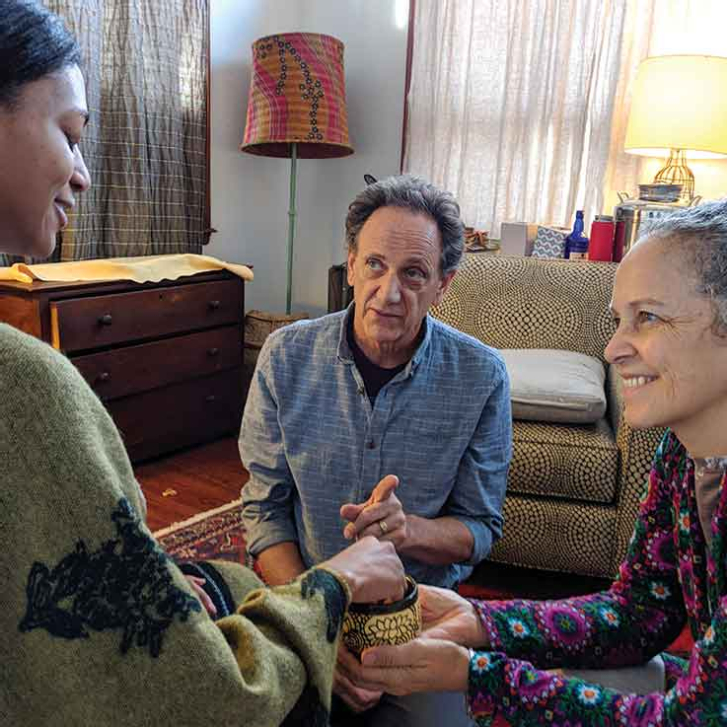
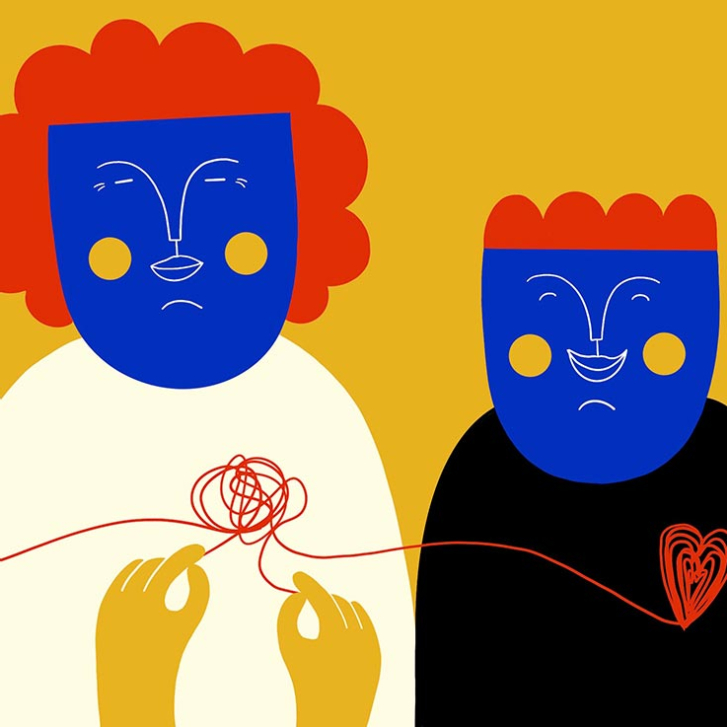
How understanding intergenerational trauma can help people working toward social change solve problems more effectively. Part of the Centered Self series.
Social and behavioral sciences can help us understand why COVID-19 is making giving practices more localized and expansive.
How individuals and coalitions are orchestrating and activating neglected resources to help end the pandemic and build more resilient health systems.
Have outcomes-based contracts allowed more flexibility and adaptability in responding to the COVID-19? Lessons learned on building more resilient strategies to tackle social problems.
We must shift how we understand and build societal health and prosperity, looking beyond economic growth to collective well-being and environmental sustainability.
What the 2020 US presidential election can teach us about the need for new knowledge in the digital age.
Why social innovation education programs need to develop students’ inner well-being alongside their knowledge of the field, and five principles to help lead the way.
An overdue need to address social and health inequities has collided with compounding global crises, forcing businesses to reevaluate their values.