


Centering Disability in Health Care
The Missing Billion initiative aims to end the health-care gap for disabled people by 2030 by identifying breakdowns, building evidence, and compiling best practices for the health system framework.
Innovations in health care policies and programs (more)

The Missing Billion initiative aims to end the health-care gap for disabled people by 2030 by identifying breakdowns, building evidence, and compiling best practices for the health system framework.

Funders must shift their frameworks, expectations, and budgets to better serve nonprofits whose financial models are being tested during the coronavirus pandemic.

Project ECHO developed a revolutionary model for helping doctors and clinicians in New Mexico to treat hepatitis C. It spread around the world to address numerous chronic diseases. With the COVID-19 pandemic, it found its moment.
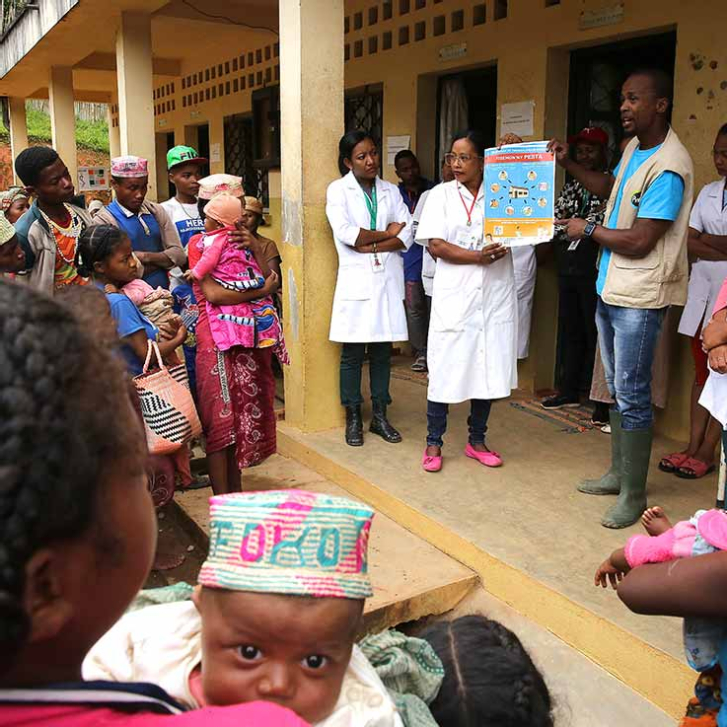
Lessons learned when PIVOT shifted its center of gravity from the United States to Madagascar by letting go of the majority of its US-based team.

The Swedish model of relying more on civic-minded ethics than on government restrictions has proved to be an outlier worldwide.

Instead of pressuring already-stressed individuals to fix themselves, true wellness requires organization-level interventions.

To build healthy, resilient organizations, nonprofits need to do more than adopt standard diversity, equity, and inclusion practices. They need to acknowledge systemic racism then commit to and implement processes to upend it.

To transform how early medical data is shared, reviewed, and published, MIT and UC Berkeley are developing a new model of academic publishing.
Hire Purpose proposes how the insurance industry’s practice of actuarial science can be utilized to train a new generation of workers in the COVID-19 world.
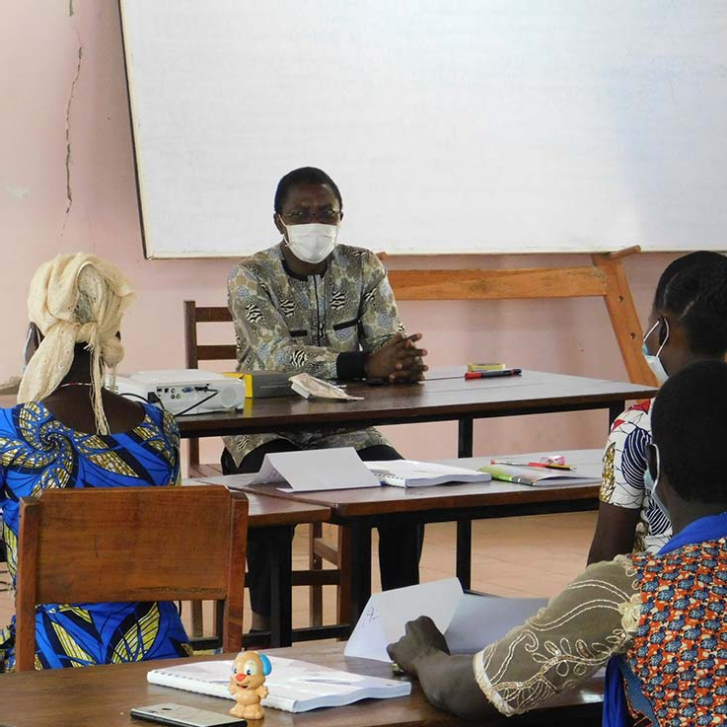
Four lessons from Togo on scaling health care innovation through the public sector.