


Investing in Menstrual Health Is an Investment in Global Health
Because it cuts across distinct sectors, menstrual health and hygiene (MHH) is a much more complex and difficult public health issue than many realize.
Innovations in health care policies and programs (more)
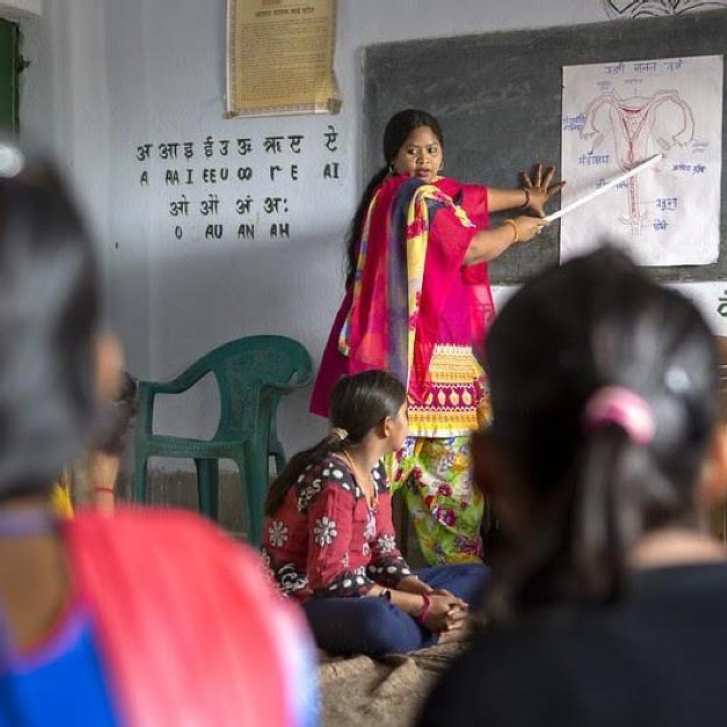
Because it cuts across distinct sectors, menstrual health and hygiene (MHH) is a much more complex and difficult public health issue than many realize.
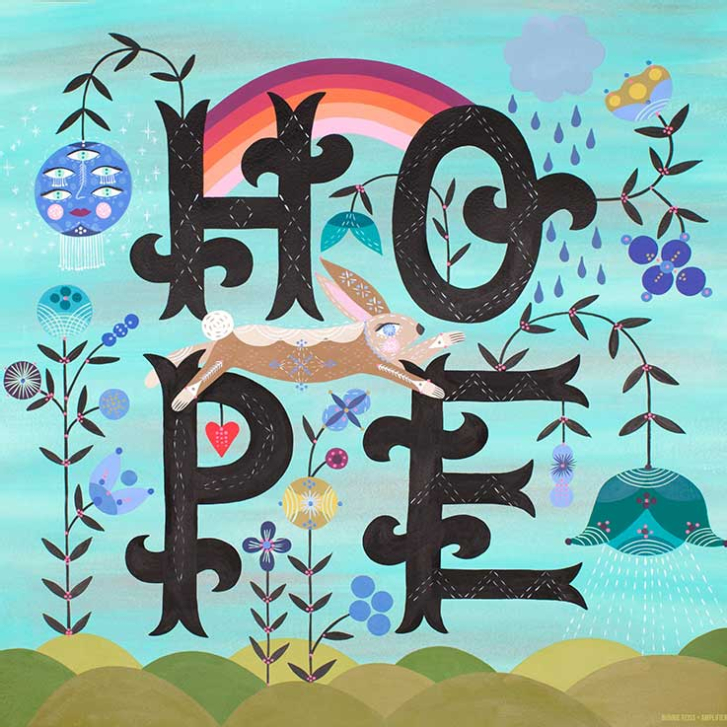
Art reminds us to create solidarity with people working on the frontlines of the COVID-19 pandemic and of the importance of tending to well-being during difficult times.

We need to look to other countries to change how we see our own, opening our imaginations to new ideas, solutions, and futures.
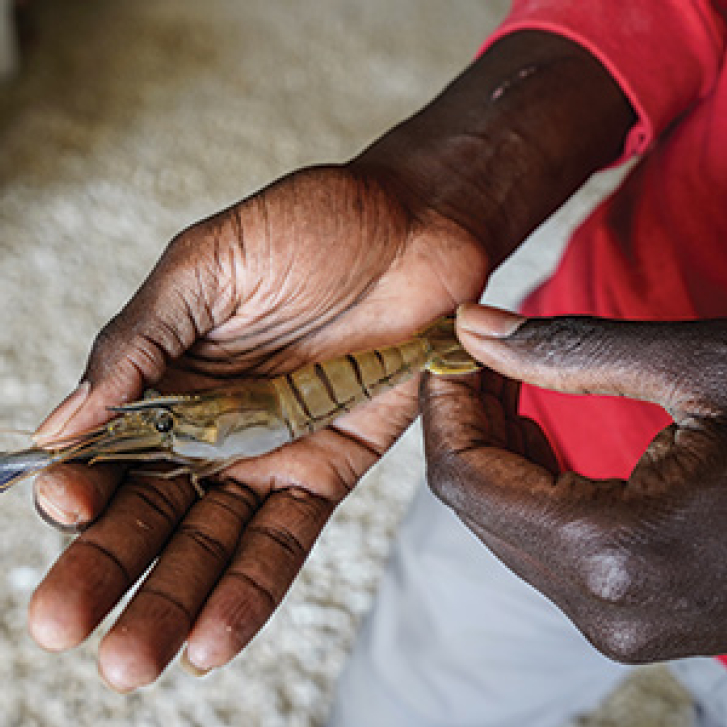
New research indicates that prawns offer an unlikely solution for an infectious disease in Senegal.
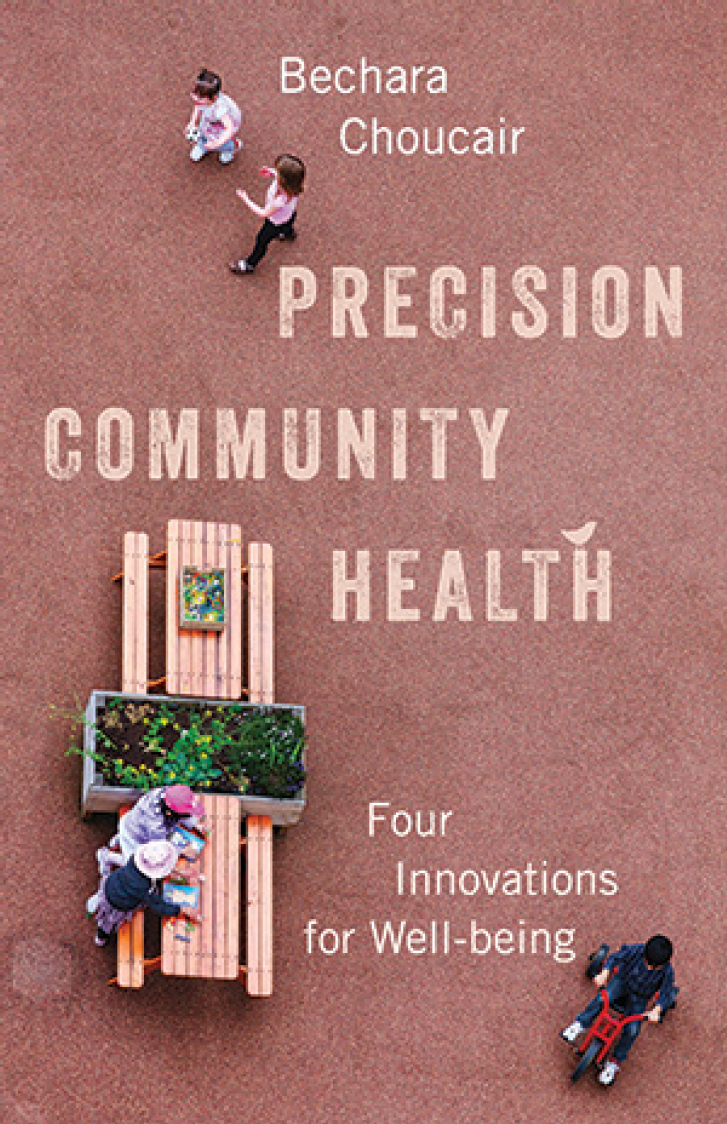
In Precision Community Health, Bechara Choucair offers a four-pillared framework to address historic systemic inequities in public health but fails to confront the power arrangements that undergird them.
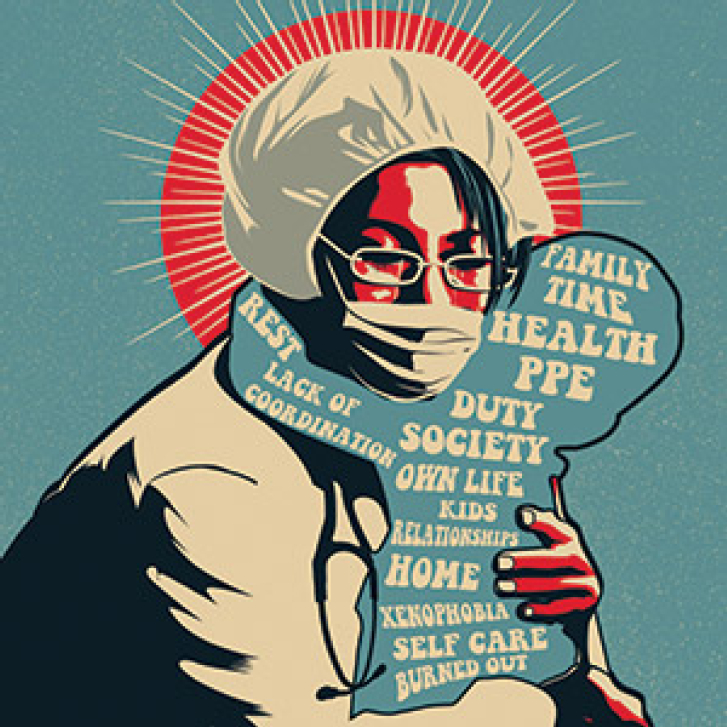
Highlights from recent SSIR.org articles on racial justice, well-being, and the COVID-19 pandemic.

By committing to a broad, participatory learning process, social change leaders can greatly enhance staff positivity and resilience, as well as increase organizational sustainability and impact. Part of the Centered Self series.

Philanthropy must hire outside the box, write the first check, and take unsolicited applications.
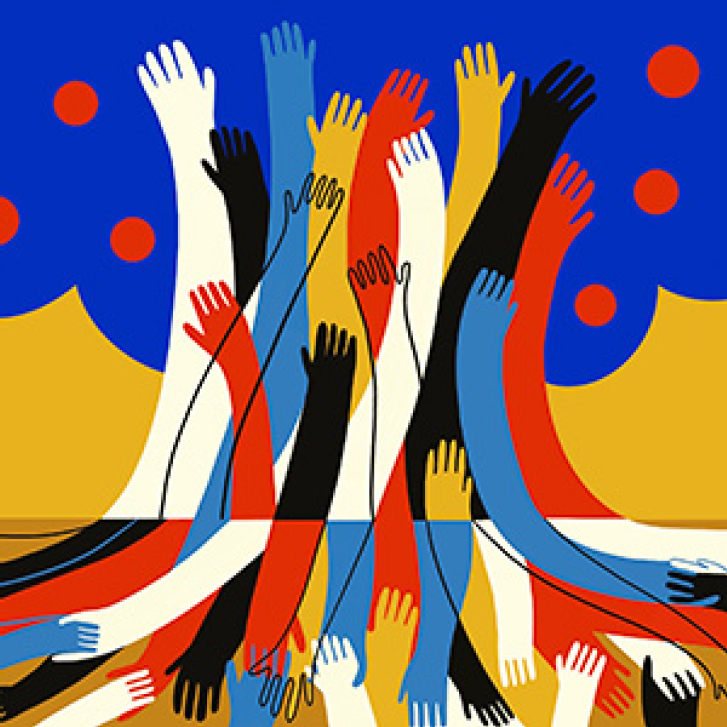
By supporting individual and team resilience, and by making small shifts to organizational life that enhance well-being, organizations can improve their effectiveness and contribute to a healthier overall culture for social change. Part of the Centered Self series.
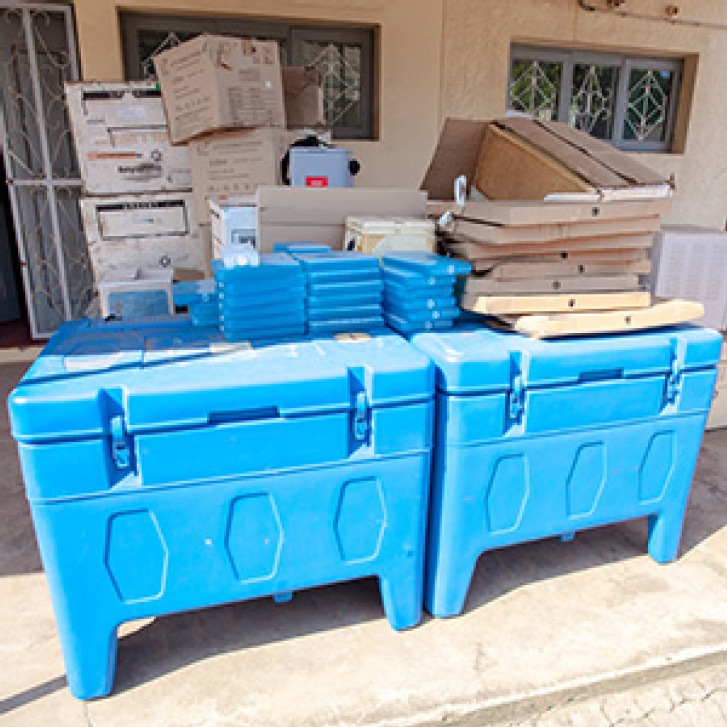
Governments, foundations, and social enterprises that want to ramp up the production and distribution of medical equipment in response to COVID-19 and other ongoing threats need to assess the process holistically or risk overpromising and underdelivering on important aid. Part of a series on civil society's response to the pandemic.