Global Health Corps
A look a the Global Health Corps program.
Innovations in health care policies and programs (more)
A look a the Global Health Corps program.
How we facilitate collaboration influences breakthroughs in innovation and scale.
A $25 baby warmer might stop the tragedy of 450 low-birth-weight babies dying every hour in the developing world.
People are more likely to use products that they pay for, but when it comes to malaria-preventing bed nets in Africa, the opposite holds true.

Experts from medical and public health fields offer opinions on the Affordable Health Care Act.
Is it ethical for a nonprofit to sue another nonprofit over a branding issue?
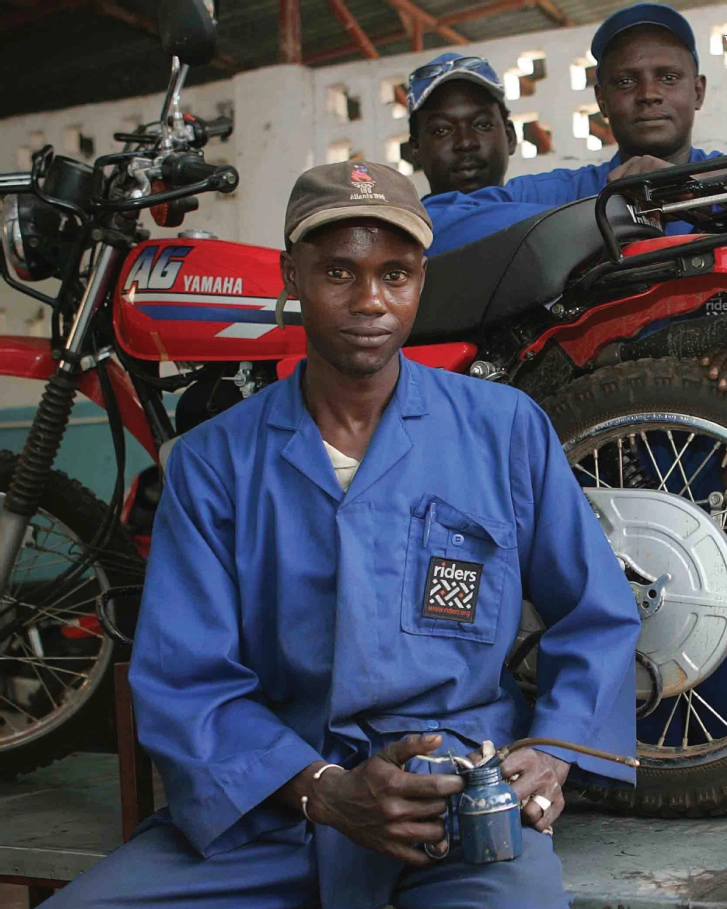
Riders for Health has created a novel approach to maintaining health transport vehicles in sub-Saharan Africa.
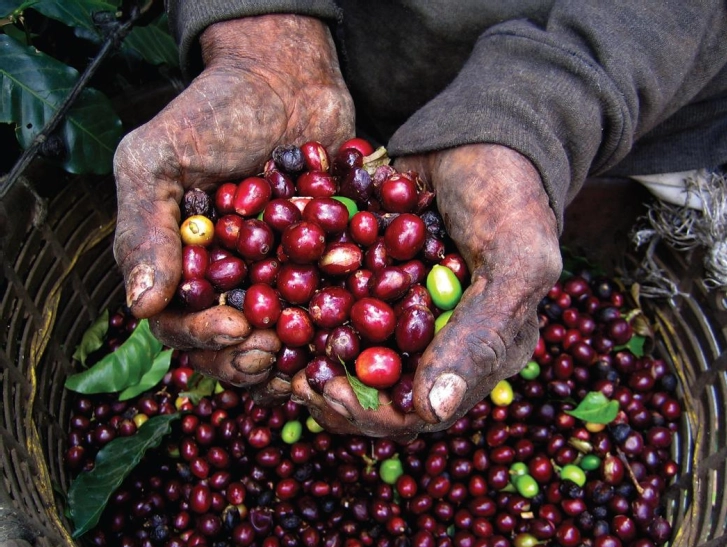
As parents spend more time raising their profitable coffee crop, they spend less time attending to their children's needs.
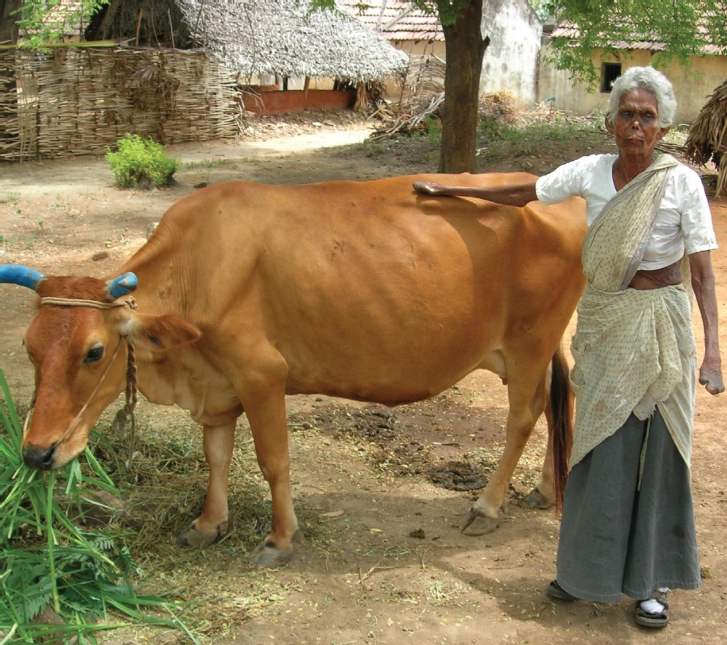
Microlending in leprosy colonies frees residents from poverty, shame, and isolation.

Used shipping containers become health care clinics in the developing world.