


Boycotts and Corporate Boards
Social movement boycotts increase board turnover, especially when board members are sympathetic to the cause at issue.
Highlights from scholarly journals (more)
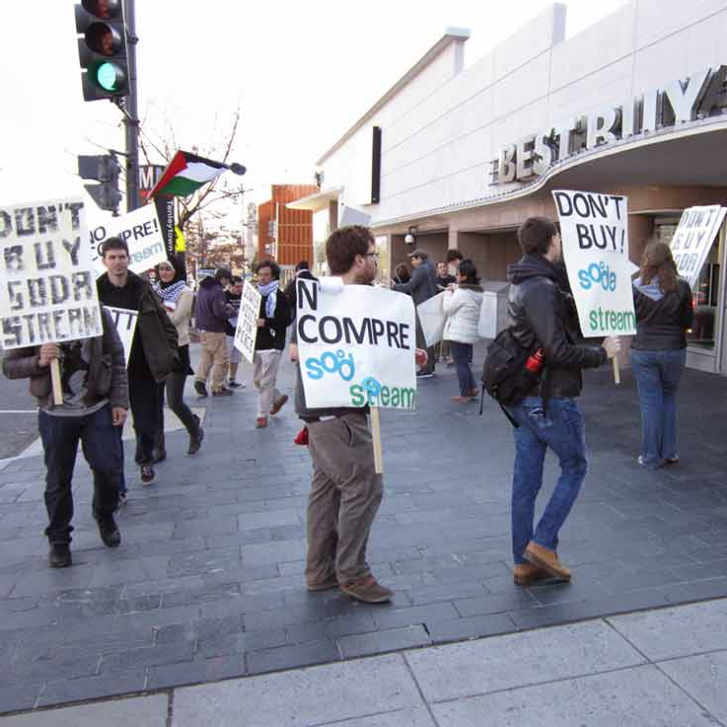
Social movement boycotts increase board turnover, especially when board members are sympathetic to the cause at issue.
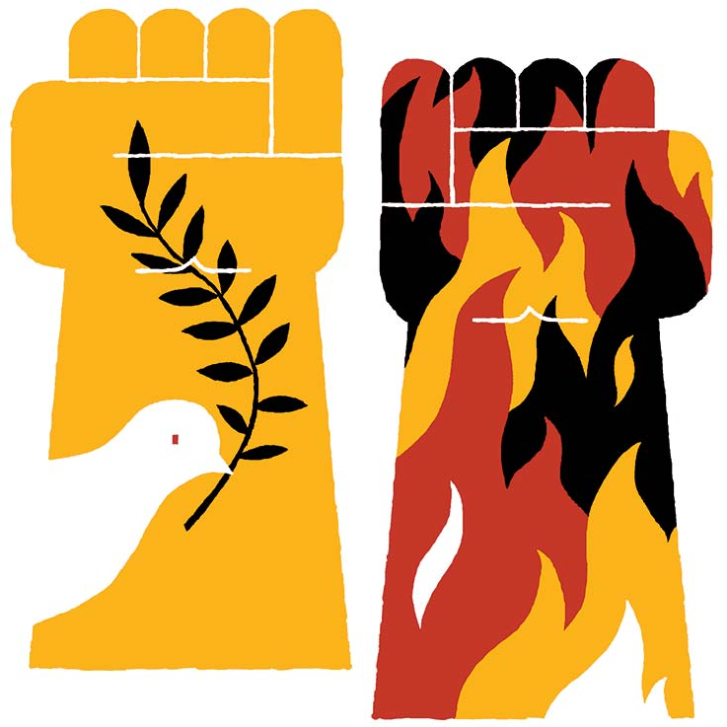
The Black protests of the US civil rights era influenced the national political agenda via the media coverage they received.

Companies use charitable giving to disguise political lobbying.

Racial inequality exacerbates the oppressive scheduling faced by service sector workers.

Financial program to help microenterprises in Tanzania fails to take historical context into account.

Changes to college admissions that improve the prospects of low-income families could boost economic equality.

Minority and women researchers have more novel ideas, but they are less likely to be adopted by the scientific mainstream.

Organizational hierarchy can make or break cooperatives, depending on its effect on the collective psychological ownership of members.

The reward of public recognition can motivate or inhibit donors, depending on their prior motives.

Nonprofit hospitals have long commercialized their services to cover their costs. A research article in the Summer 2020 issue.