


Rethinking Democracy, the Social Contract, and Globalization
Renovating Democracy explores how the digital revolution has irrevocably altered how we engage with participatory democracy and with how democracy works for us.
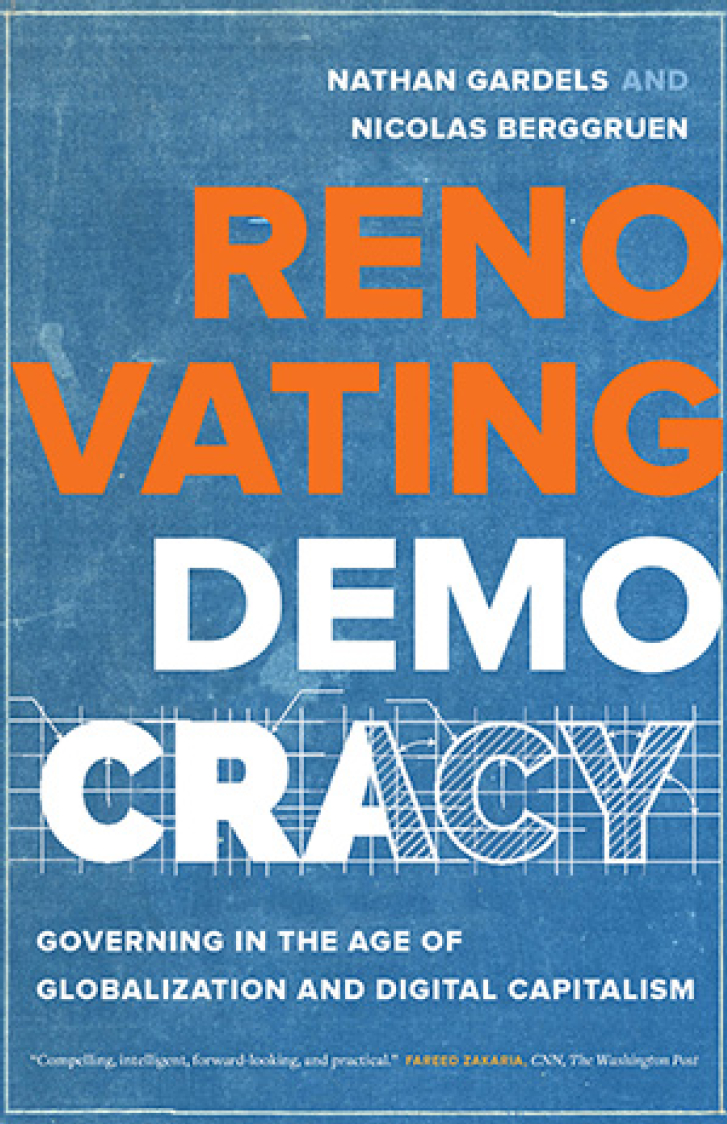
Renovating Democracy explores how the digital revolution has irrevocably altered how we engage with participatory democracy and with how democracy works for us.
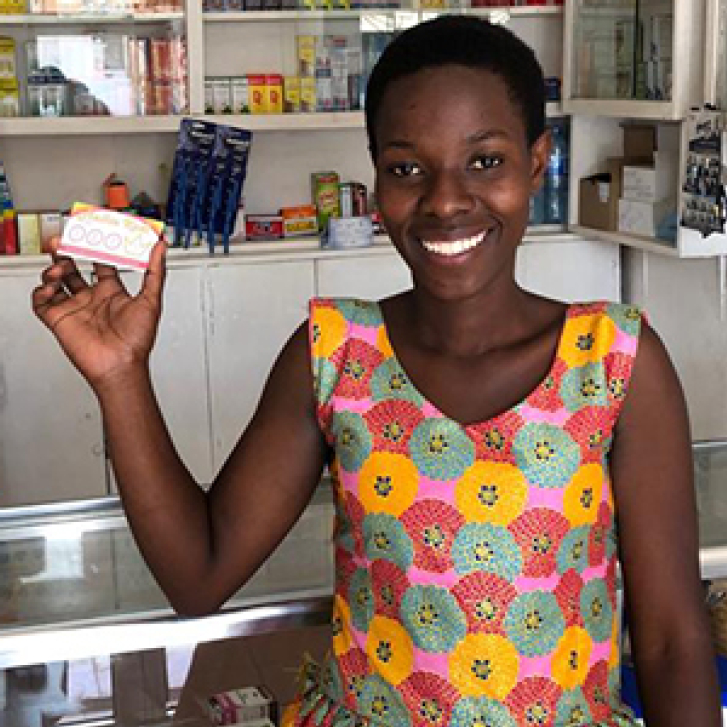
A public health innovation shows that innovators can accelerate the diffusion of products with social impact by pairing design thinking and behavioral science.

The inclusion of disabled people in your organization is not about “helping” them come on board while leaving the organization unchanged.

A commitment is only a start. After that, it takes strategy, performance management, data, planning, investment, and a relentless desire to improve.
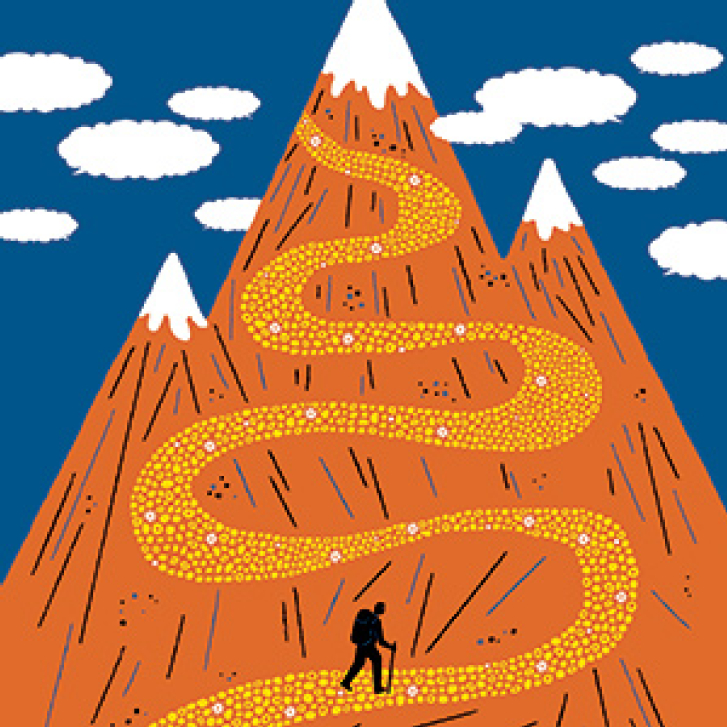
Organizations must connect their causes to the personal aspirations of their audiences to transform public attitudes. A feature story from the Winter 2020 issue.

Rebuilding local news coverage is part of a civic-repair program we must pursue to restore the democratic promise of our cities and of our country. A Feature from the Winter 2020 issue.
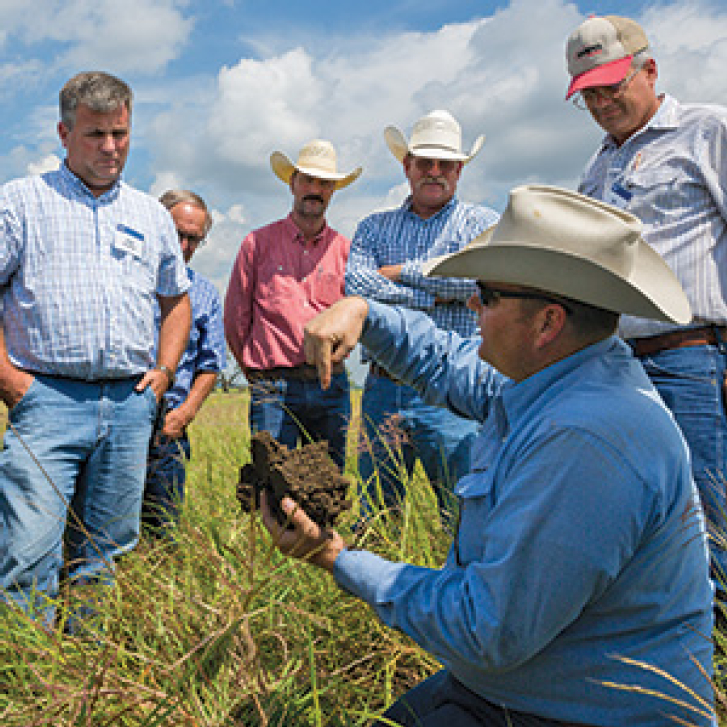
The Ecosystem Services Market will enable farmers to use improvements in soil health—the key to water conservation and soil carbon sequestration—to generate ecosystem-service credits that they will be able to sell. A What's Next article from the Winter 2020 issue.
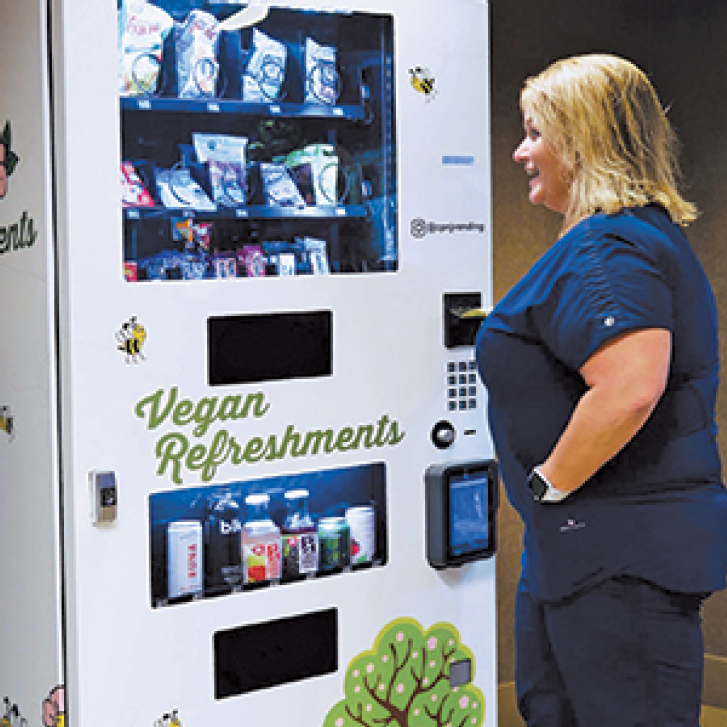
After Reesha and Ronald Howard's infant son experienced problems with dairy, they understood the importance of giving other families options to conveniently purchase vegan products in public spaces for health reasons. A What's Next article from the Winter 2020 issue.
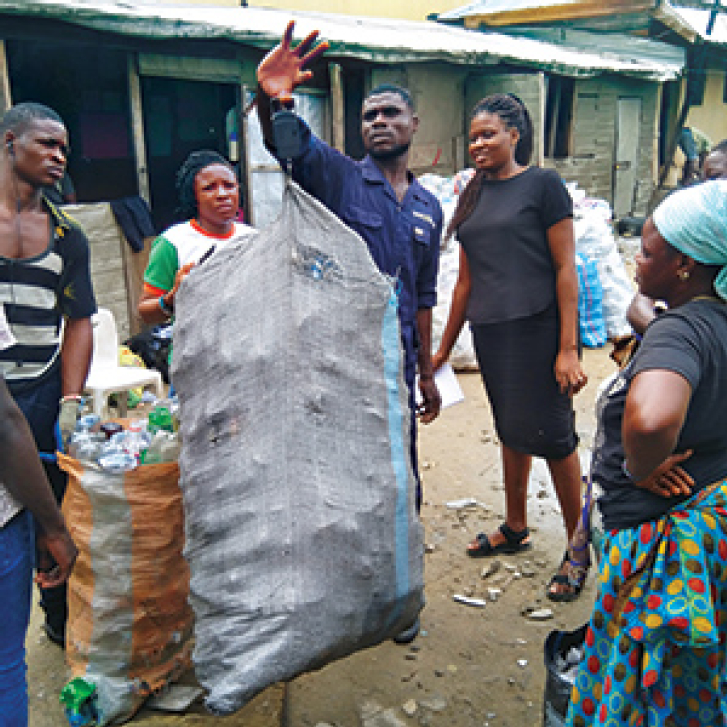
The Recycle Pay program allows parents to pay a portion or all of their children’s school fees by gathering plastic and discarded drinking-water bags, which are then recycled. A What's Next article from the Winter 2020 issue.
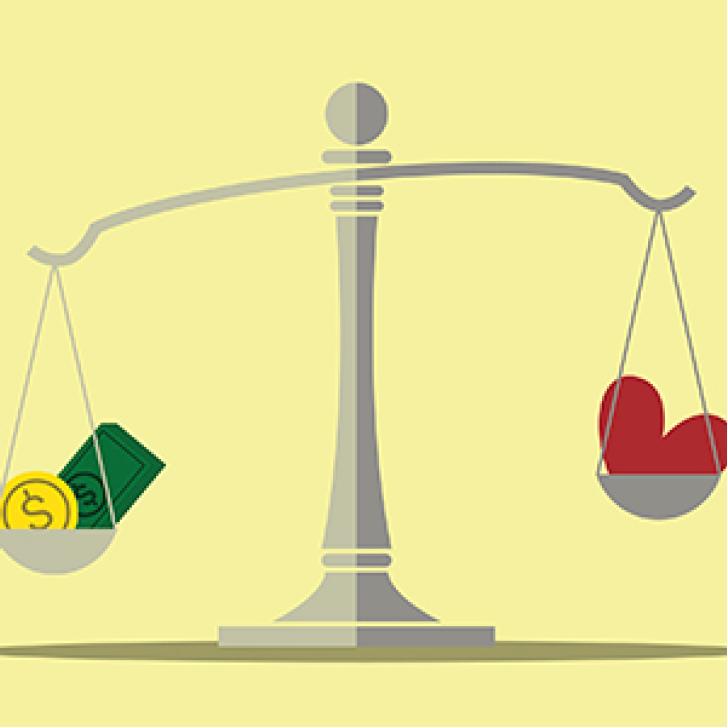
Instead of simply pegging success to traditional economic measures, like GDP, New Zealand wants policymaking to be driven by what will make the biggest difference to the well-being of people, their communities, and the environment. A What's Next article from the Winter 2020 issue.