


Queer Activism Goes Online
Astraea’s CommsLabs program combines indigenous knowledge, technology, and healing practices to power the next wave of LGBTQI organizing. From the Summer 2019 issue.
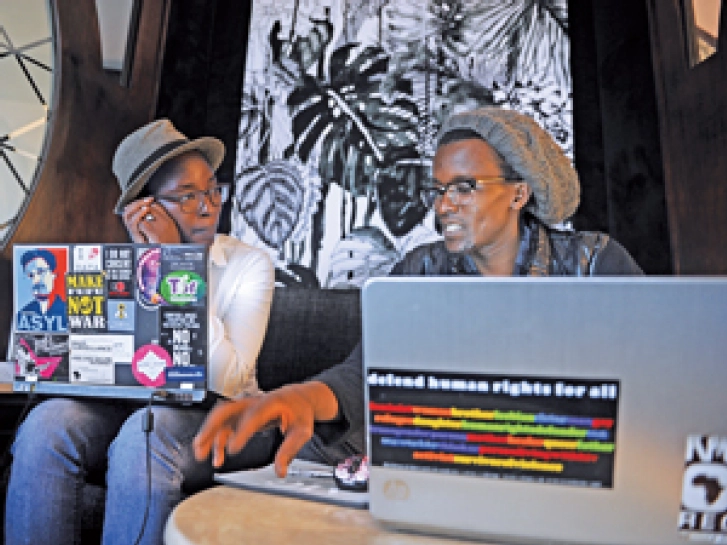
Astraea’s CommsLabs program combines indigenous knowledge, technology, and healing practices to power the next wave of LGBTQI organizing. From the Summer 2019 issue.

Safe Shelter Collaborative dramatically reduces the time that survivors of domestic violence and sex trafficking have to wait to secure safe accommodation. A Field Report from the Summer 2019 issue.

Development practitioners must build a culture of learning, negotiation, and collaboration, so that the generation and use of evidence are integrated into program design and implementation.
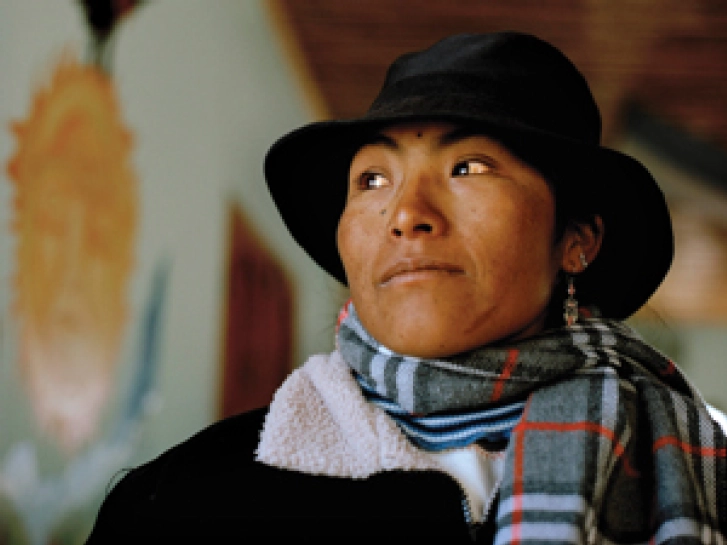
Companies seeking to do business in low-income markets often make the mistake of transferring assets from higher-income markets to fill perceived gaps. They should instead look to partner with those who live in these markets and to identify the assets already available there.

Racial and economic segregation hampers local civic action, but public schools can serve as a facilitator. A research report from the Summer 2019 issue.

Black students attend college at greater rates than expected, given their socioeconomic disadvantages, and thereby attain more degrees than expected.
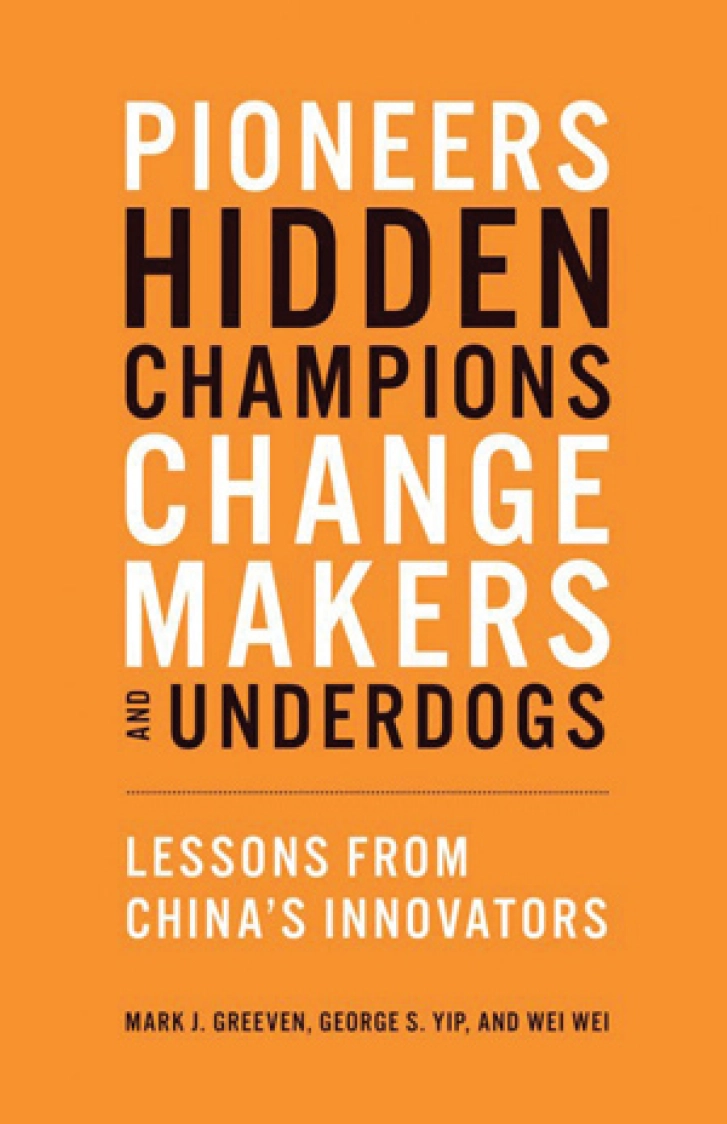
A new book on Chinese entrepreneurs breaks through stereotypes and offers a more comprehensive view of innovation in China.
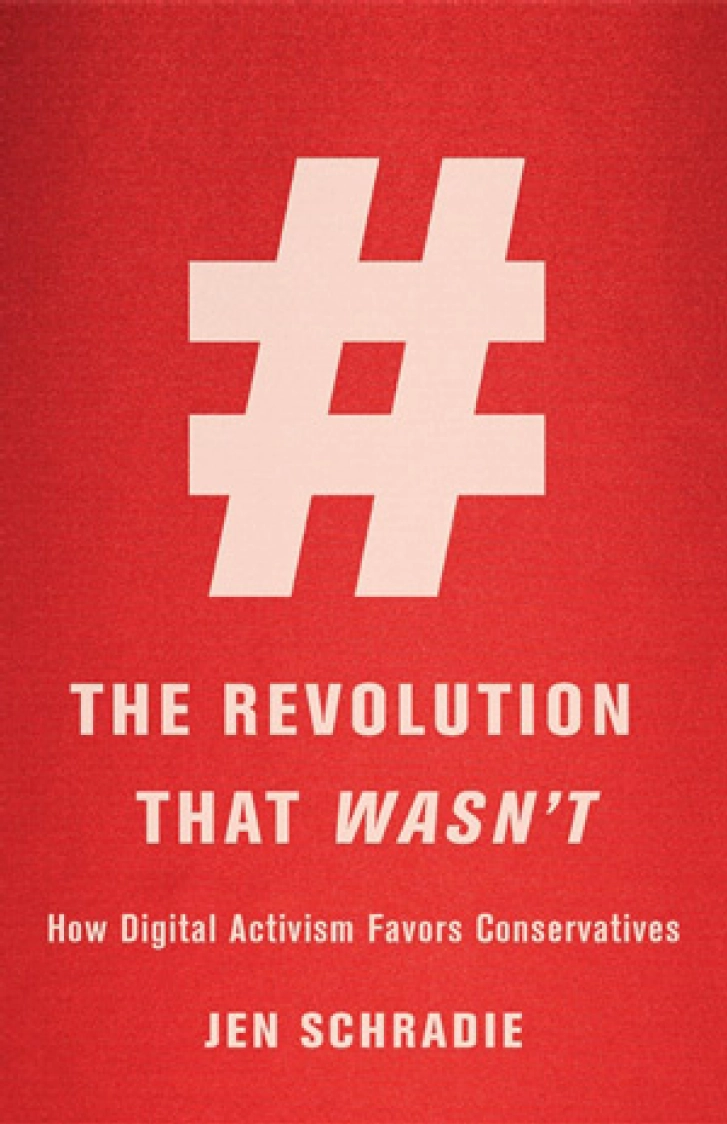
Sociologist Jen Schradie reveals how digital activism empowers defenders of the status quo.
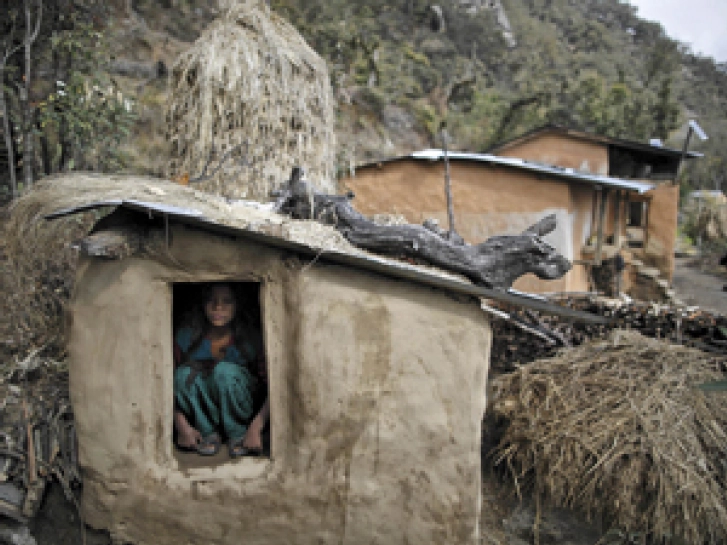
Women’s rights and human rights organizations take aim at the tradition of "menstrual exile" through creating broad access to scientific knowledge that destigmatizes menstruation.

Grantmakers In Health presents a snapshot of the latest thinking from health funders, researchers, and advocates on healthy eating and active living (HEAL) and healthy communities.