


sponsored
Next-Generation Philanthropy
Asia’s second wave of philanthropists are eschewing traditional philanthropic models in favor of more expansive, hands-on approaches.

Asia’s second wave of philanthropists are eschewing traditional philanthropic models in favor of more expansive, hands-on approaches.

The president and CEO of the United Nations Foundation reflects on the power of philanthropic collaboration.

The director of the Rice 360° Institute for Global Health at Rice University explains how participating in the MacArthur Foundation’s 100&Change competition helped transform her organization.
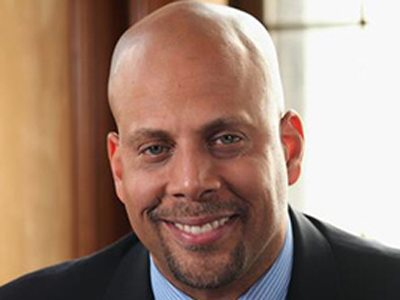
Five insights about social mobility and the role of big bet philanthropy.

These five examples of large investments demonstrate the enormous impact they can have on the world’s most pressing problems.
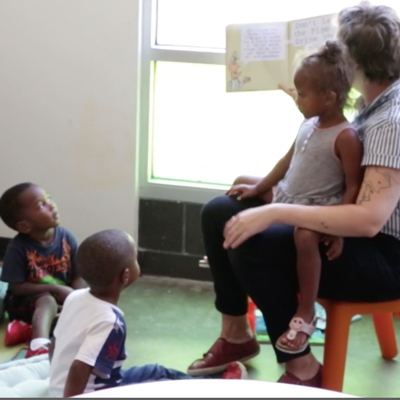
The Arkansas nonprofit Our House, which provides shelter to homeless families and individuals working to regain their economic independence, has built a culture of continuous feedback with surveys, community councils, and “happy or not” voting terminals. Part of a series produced for SSIR with the support of the Hewlett Foundation.

New experiments with civic engagement, outreach, and philanthropic models in Philadelphia offer inspiration for leaders across the social sector.

The European Commission’s new plan for sustainable finance makes important strides toward connecting the financial industry with social and environmental goals, but social innovators should weigh in.
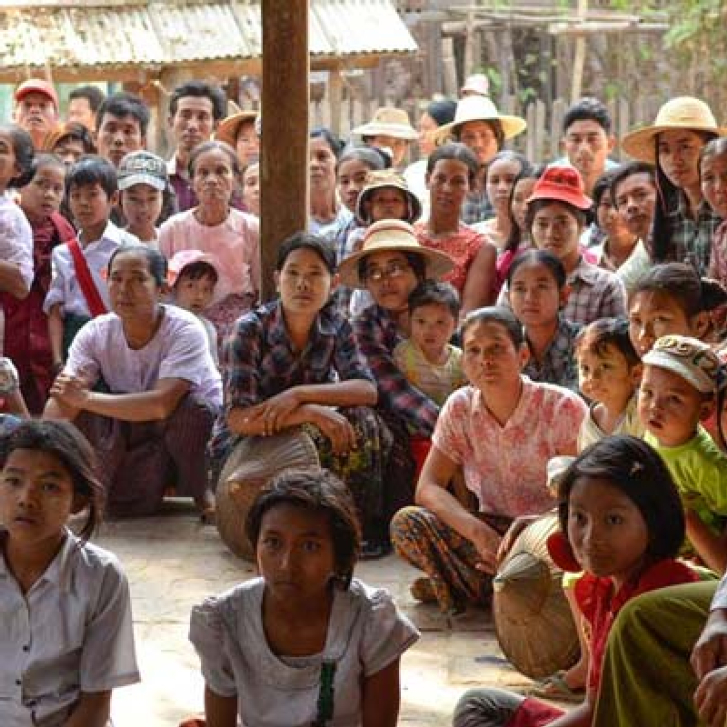
We must take proactive and preventive steps to restore trust across government, business, and civic institutions, or societies around the world may be at greater risk of chaos and conflict.
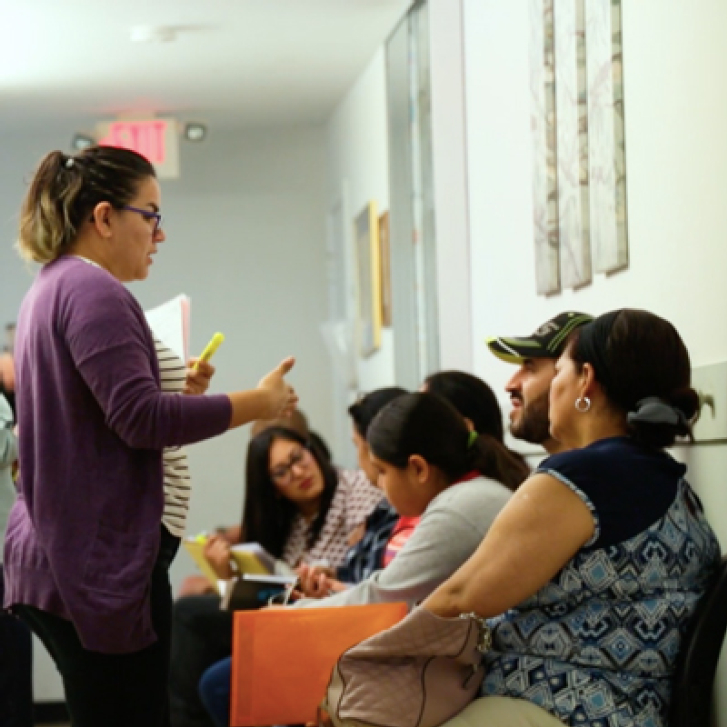
When Paula John visited Epiphany Community Health Outreach Services for help with her arthritis, she encountered long wait times and unfriendly staff. Her feedback led to changes that transformed her opinion of the organization. Part of a series produced for SSIR with the support of the Hewlett Foundation.