How San Francisco Became a ‘Silicon City’
Cary McClelland's new book, Silicon City, documents the transformation of San Francisco in the digital age.
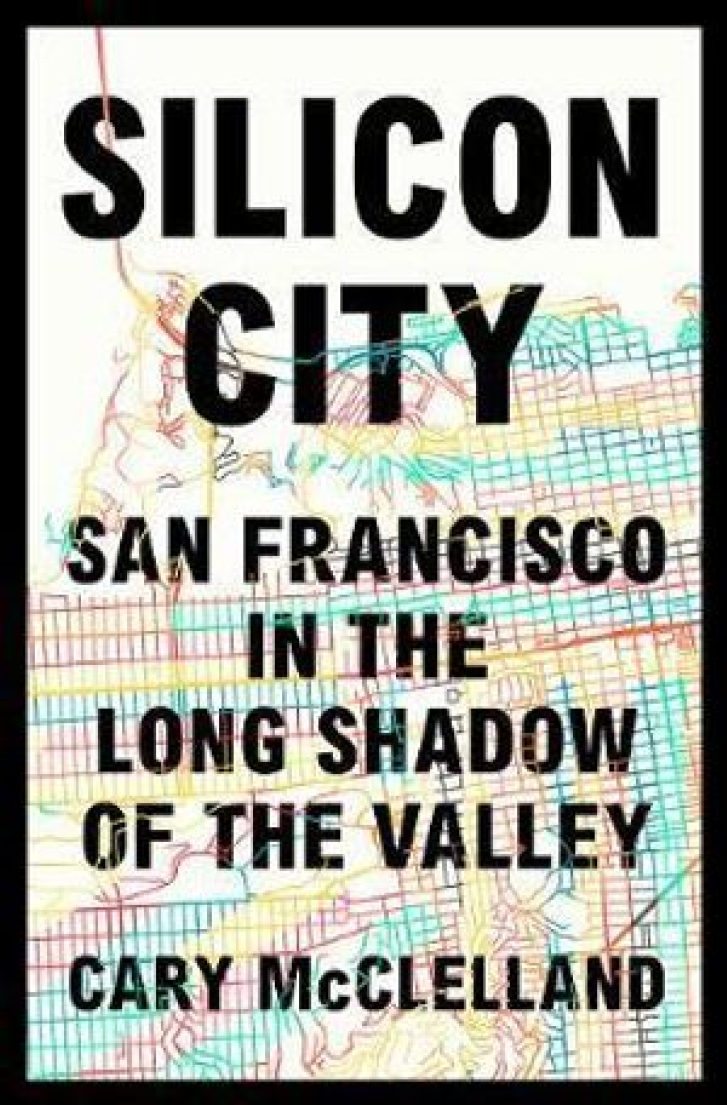
Cary McClelland's new book, Silicon City, documents the transformation of San Francisco in the digital age.

No single organization or individual can pull off an effective storytelling campaign alone. Reaping the benefits of storytelling requires that we build better partnerships between three important players.
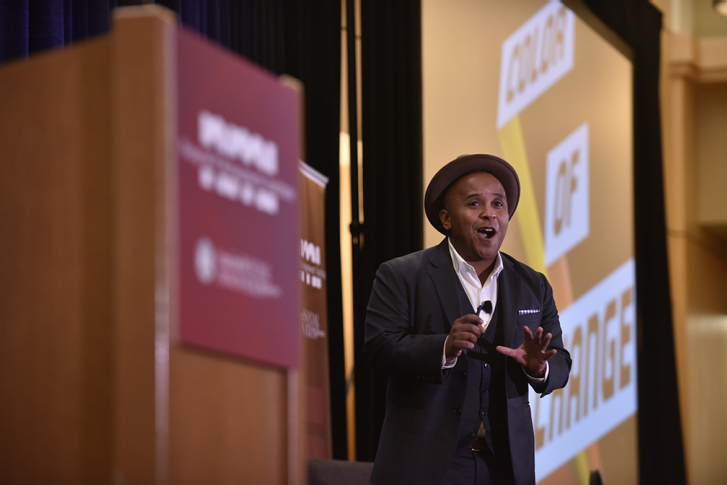
Rashad Robinson, president of Color of Change, speaks about the nature of political and cultural power and the importance of continually assessing the nonprofit sector's efforts to bring about change.

Strategies for successfully filling the skills gap for companies, and helping millions of unemployed youth and others find jobs.

Existing programs that promote and support women’s entrepreneurship help address the inequality that currently exists, but they don’t reach women early enough.

Input from Boston residents changed Union Capital Boston’s rewards program from providing specific material goods to distributing cash in exchange for doing volunteer activities. It also drove the creation of networking events for members. Part of a series produced for SSIR with the support of the Hewlett Foundation.
Finding viable solutions to social problems requires that we reconfigure the relationships between those who hold power over communities and those who are impacted by how that power is used.

An excerpt of Magali A. Delmas and David Colgan's The Green Bundle: Pairing the Market with the Planet.

By focusing on four critical aspects of land rights, businesses can not only manage risks, but also do a great deal of global good while strengthening their bottom lines.
In fields as diverse as healthcare and social services, training employees in empathy translates into lower burnout, better outcomes, and economic benefits. Part of a series produced for SSIR with the support of the Hewlett Foundation.