The Collective Impact of Suspending Suspensions
An excerpt of Twenty Years of Life: Why the Poor Die Earlier and How the Challenge Inequity
An excerpt of Twenty Years of Life: Why the Poor Die Earlier and How the Challenge Inequity
As technology morphs businesses, markets, and economies, we must reimagine how we educate future managers—the UN’s Sustainable Development Goals provide a North Star.
Funders and others can better support the involvement of those who use social services in service design and implementation. And by doing so, they can generate more meaningful, systems-level impact.

How a family-planning group and an environmental organization banded together to foster the health of forests, fisheries, and families at the same time.
American civil society has a history of and reputation for political independence—and alongside it, accountability, transparency, and governance. But these unique qualities are at risk.
Cities continue to be the place where citizens can engage most directly with government—especially when nonprofits are there to offer capacity, expertise, and reach.
Business’s capacity to transform society is only as great as the schools that train its future leaders. This demands that business schools reform their vision to promote values of business serving society in order for students to see business as a true calling rather than simply a career. Here is a blueprint for management education in the 21st century.
Everyone in the public and nonprofit sectors has a role to play in fostering volunteerism, and engagement can pay dividends for all.
Civics has always been a deep-rooted part of American culture. It’s time to get it back into our classrooms.
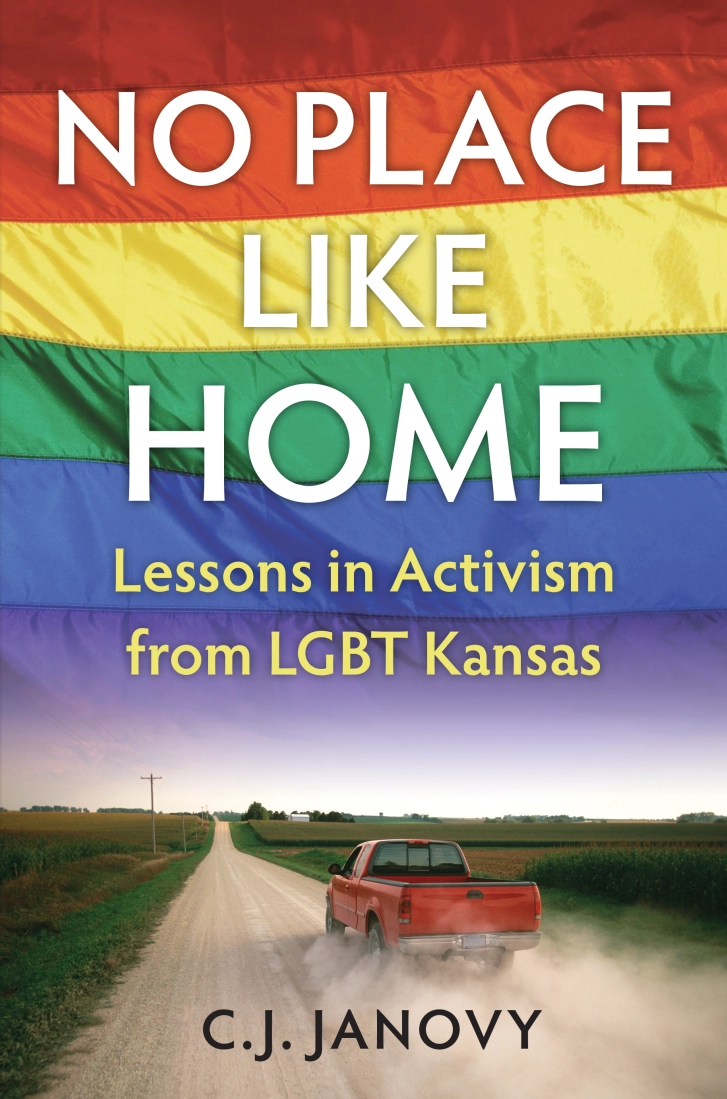
In No Place Like Home: Lessons from Activism in LGBT Kansas, C. J. Janovy offers up progressive lessons in a red state.