Public Trust Reboot: Unleashing the Millennial Civic Spirit
Why millennials’ values and ethos make them uniquely poised to close America’s civic leadership gap, and how to tap into their civic spirit.
Why millennials’ values and ethos make them uniquely poised to close America’s civic leadership gap, and how to tap into their civic spirit.
The contours of civil society are influenced—but not bound—by America’s larger demographic curve. On the leading edge of that curve, California shows the kind of intentional, strategic role that civil society might play in a more equitable and sustainable future.

This series will showcase seven visions for how to reform business management and public policy schools.

A look at how a set of unique partnerships and a new evaluative framework is supporting the development of more-inclusive, equitable art museum leadership.
New digital projects could make legal services far more accessible—but they need to be about more than just the technology.
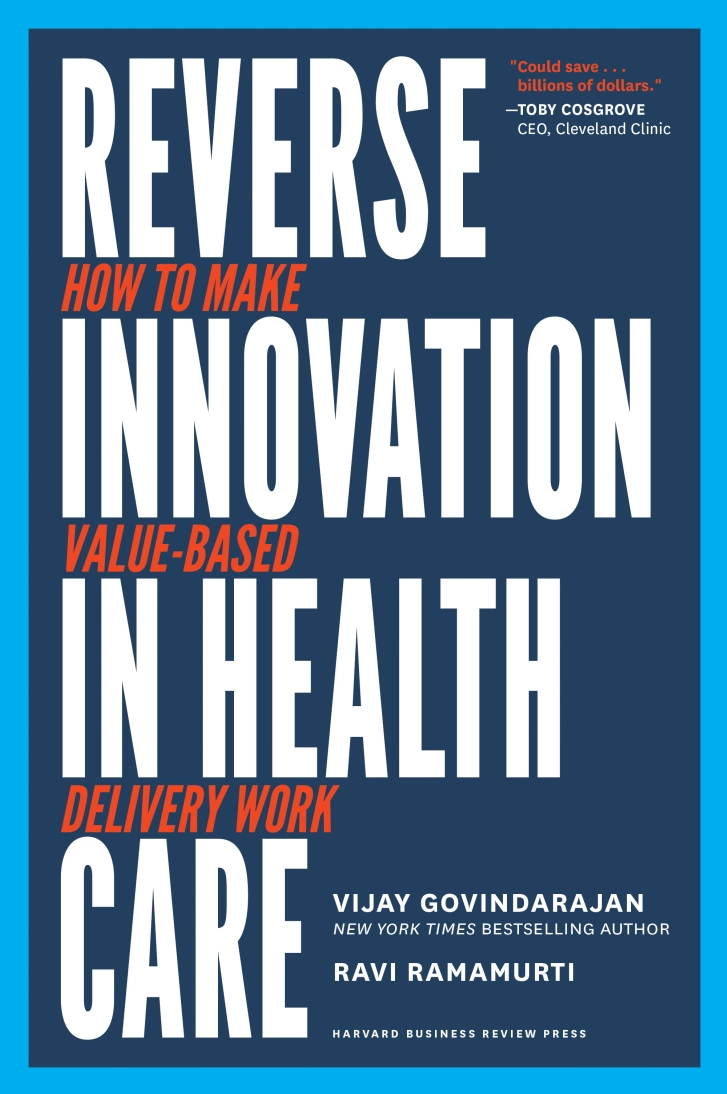
An excerpt from Reverse Innovation in Health Care: How To Make Value-Based Delivery Work
Systems are the bedrock of every society, but it is our shared dignity as human beings that truly determines whether a society works. When society becomes uncivil, it is clear that only our shared humanity as a people can save it.
A new metric measures the real value of natural goods—and shows us what we stand to lose.
The exercise of faith serves many functions, but its paramount role is to function as the foundation of civil society.
Civic engagement and community voice make up the secret sauce of US democracy. We need a new, community-generated social compact to assert the vision and policy framework for an inclusive 21st-century America.