
Civic Virtues and the Healing of Partisan Divides
In a time when many are drawing a line between communities and ideologies, the best line to draw is one that goes right through every human heart—a line that leads to five essential civic virtues.
In a time when many are drawing a line between communities and ideologies, the best line to draw is one that goes right through every human heart—a line that leads to five essential civic virtues.

Mobile interventions have great potential to make health care in India more accessible. But for providers to succeed, they must develop a nuanced understanding of the barriers to digital consumption and consider four specific aspects of design.
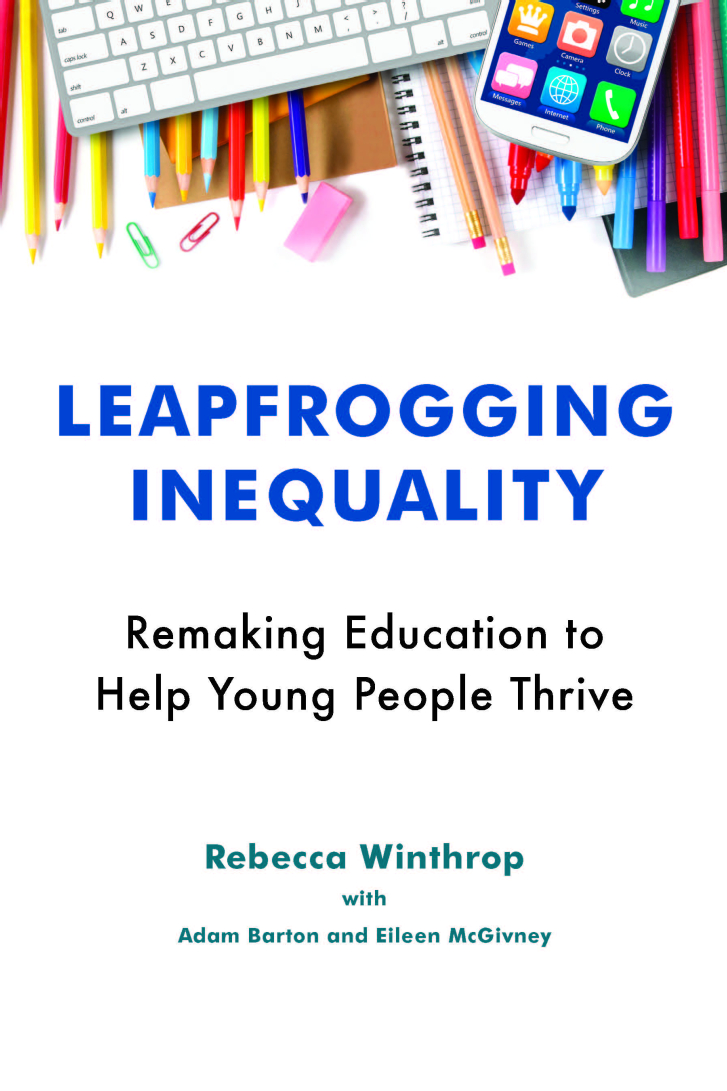
An excerpt from Leapfrogging Inequality: Remaking Education to Help Young People Thrive.

Institutionalizing college savings through the application of savings strategies from financial behavior research can help make college accessible to all.

Advocates can make progress on polarized issues by finding new ways into engaging people in different perspectives, rather than trying to knock down the front door with a barrage of facts.
The private sector offers more than just deep pockets to the quest for global education; companies have talent, resources, and new ideas to share.

Human trafficking, modern slavery, and child labor remain pressing concerns in many industries’ global supply chains. Harvard’s Siddharth Kara leads a discussion on how each sector can play a role in finding solutions.

Three innovative ways groups can work together across organizational fiefdoms and disciplinary siloes to meet conservation challenges locally and globally.
Leadership is often defined by lists of character qualities, values, or skills. But what if the best leaders are simply those who can willingly give up things they value?
With its professional management class and army of consultants, the nonprofit sector can sometimes seem isolated from the messiness of civil society, and a new Philanthropic Beltway may have sprung up. But it wasn’t always that way, and it may be time to reclaim an earlier identity as the “volunteer sector,” which is inherently democratic.