Fostering Sustainable Sanitation
Gramalaya combines community mobilization with education and microfinance.
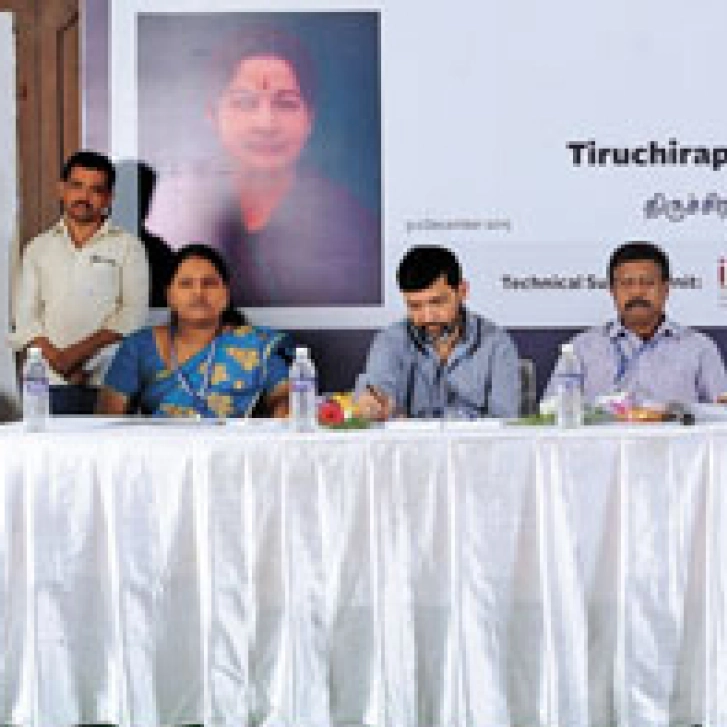
Gramalaya combines community mobilization with education and microfinance.

India provides particularly fertile ground for the gender-lens grantmaking movement.
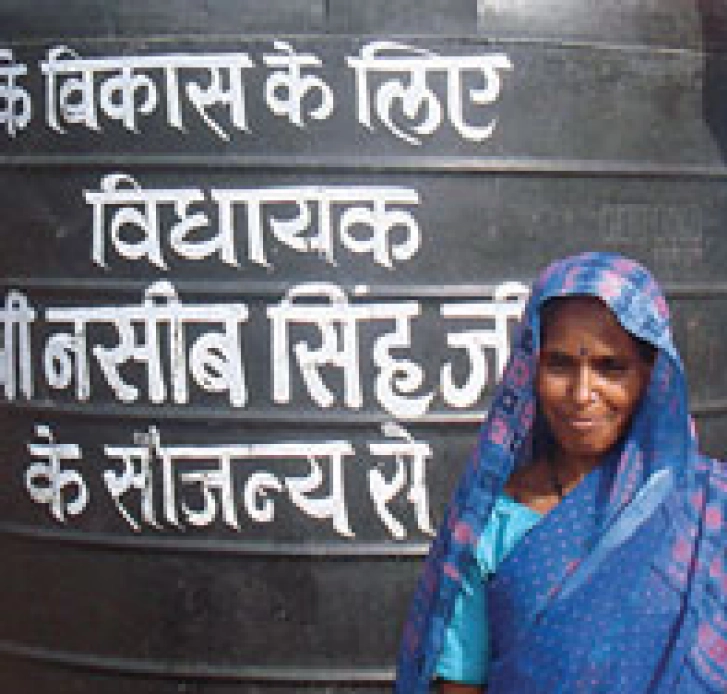
MHT helped launch a community-driven initiative to improve sanitation.
Proprietary data can help improve and save lives, but fully harnessing its potential will require a cultural transformation in the way companies, governments, and other organizations treat and act on data.
Changing the composition of the world’s energy supply is important, but it’s only half the battle against climate change.

Four lessons for innovators, funders, and policymakers working to promote financial health in the United States.
Most foundations have endowments with invested assets—but many don’t see themselves as institutional investors. As a result, they are leaving behind some of their influence.
The benefits of environmental conservation and restoration reach far and wide, and across all sectors. More businesses need to realize the positive effects biodiversity has on their bottom line—and more governments need to pass legislation that protects biodiversity.

There is no rigid recipe for scaling quality learning, but successful efforts require attention to design and delivery, stable access to finance, and an enabling policy environment.

To make progress on ideologically or politically sticky issues, social sector organizations must reshape their messaging to do more than cite facts; they must use smart storytelling and craft solutions that don’t require those they want to reach to sacrifice their values.