


High Tech for Dry Times
A system that combines software and sensors promises to improve farmers’ ability to manage, conserve, and lease water.
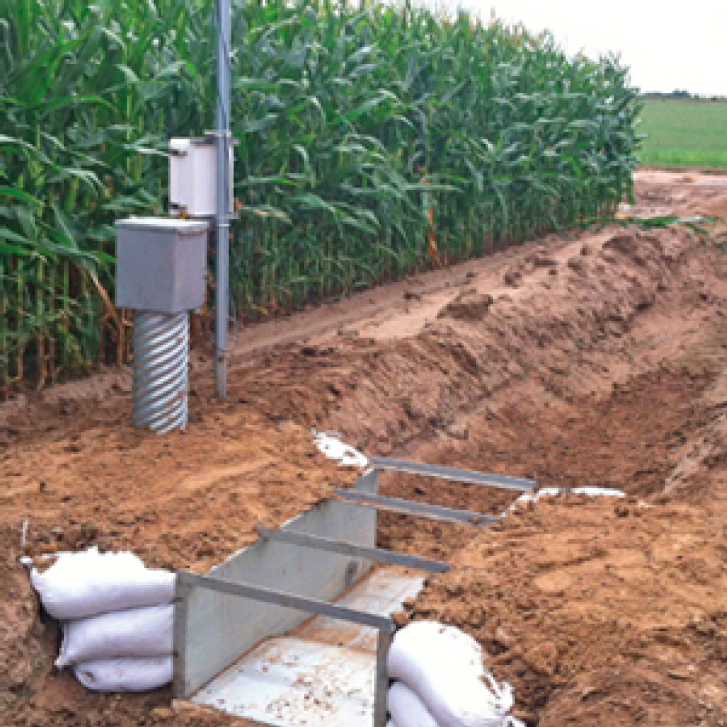
A system that combines software and sensors promises to improve farmers’ ability to manage, conserve, and lease water.
New tools and practices are helping low-income Americans use rent payments to build up their financial profile.

In Ethiopia, a foundation-led initiative uses accelerated learning techniques to give young people a second chance at an education.

Delivering nutritious school lunch fare on a large scale is the social mission—and the business model—of Revolution Foods.

Maggie’s Centres, a network of specially built facilities in the United Kingdom, provides cancer patients with a comforting environment.
Supplements to the article “Casting a Tight Net.”

Humanity United is pursuing a strategy that combines carrots and sticks—collaboration and activism—to confront human rights abuse in the seafood industry. Includes magazine extras.

Race to the Top, a $4 billion US education reform effort, produced valuable lessons on designing a competition-based program.

To counter restrictions on NGO activity, local groups need to reduce their dependence on international financial support.
Supplements to the article “The Gift of Time.”