


Information Overload, Action Deficit
Real change only occurs when people, and the institutions we collectively form, restructure to make better use of new technology.
Real change only occurs when people, and the institutions we collectively form, restructure to make better use of new technology.
“Digital citizenship” and connectivity are opening up new avenues to tap into the creativity, inventiveness and enterprise of youth to create educational and economic opportunities.

Making environmental sustainability stick is requiring the cooperation of the for-profit and nonprofit sectors. In this audio interview, Stanford Center for Social Innovation correspondent Ashkon Jafari interviews Ceres president Mindy Lubber about how her organization brings together investors, government, human rights groups, and others to build a cross-sector voice for sustainability.
New levels of data-filtering, along with the growth of social networks that aggregate like-minded souls, are threatening civic engagement—and other assertions made at the Personal Democracy Forum.
Will mobile telephones become the new super highway to connect the poor to the financial grid?
New public-private partnerships have led to big leaps in the exportation of Argentinian wine.
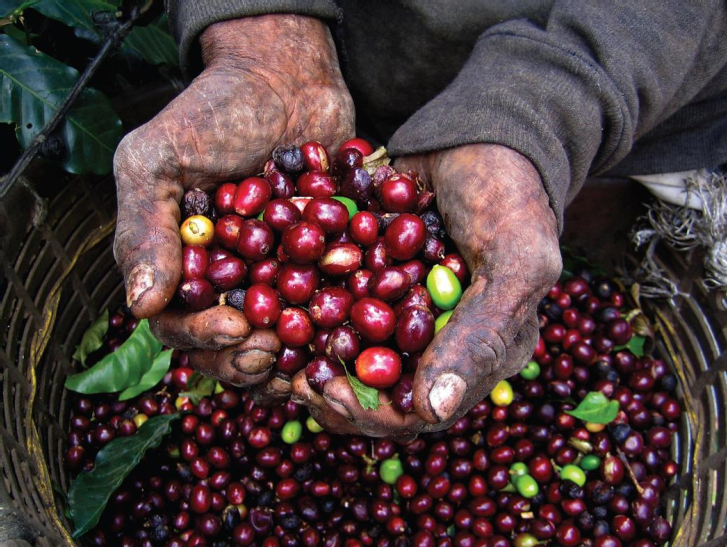
As parents spend more time raising their profitable coffee crop, they spend less time attending to their children's needs.
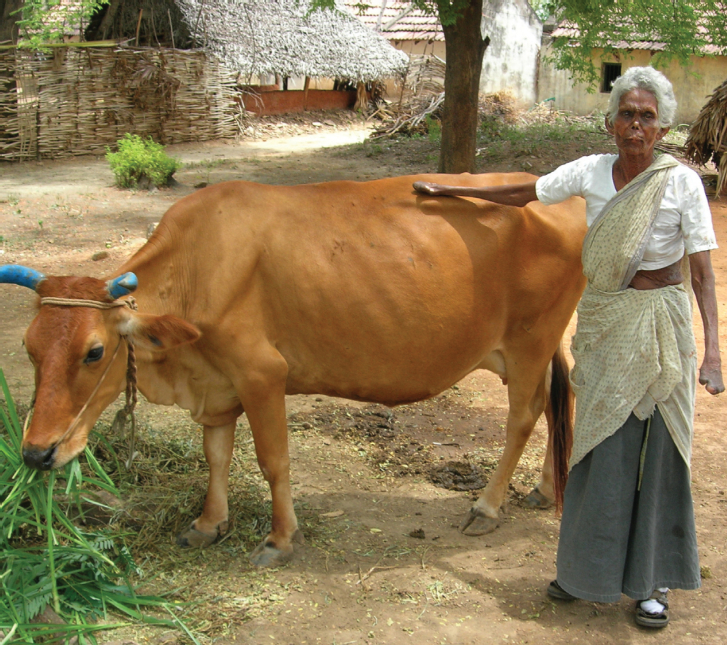
Microlending in leprosy colonies frees residents from poverty, shame, and isolation.
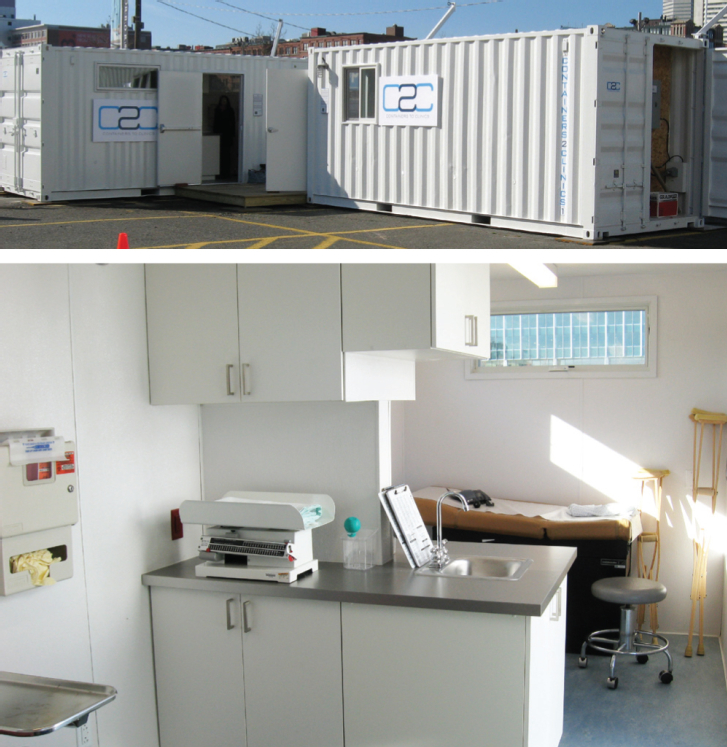
Used shipping containers become health care clinics in the developing world.
SaveTogether wants to foster the savings habit among low-income Americans.