


Preventing System ‘Snap Back’
Because systems naturally resist change, systems thinkers must learn to build change with resilience.

Because systems naturally resist change, systems thinkers must learn to build change with resilience.

Four strategies for organizational activism—advocate, subvert, facilitate, and heal—can help the increasing number of people who want to challenge racism, sexism, heterosexism, ableism, and other injustices in the workplace.

How a new genre of social entrepreneur can wield emerging technologies to create integrated and inclusive social and industrial policies.

Stereotypes and racial bias in hiring and promotion are damaging at personal, career, and organizational levels.
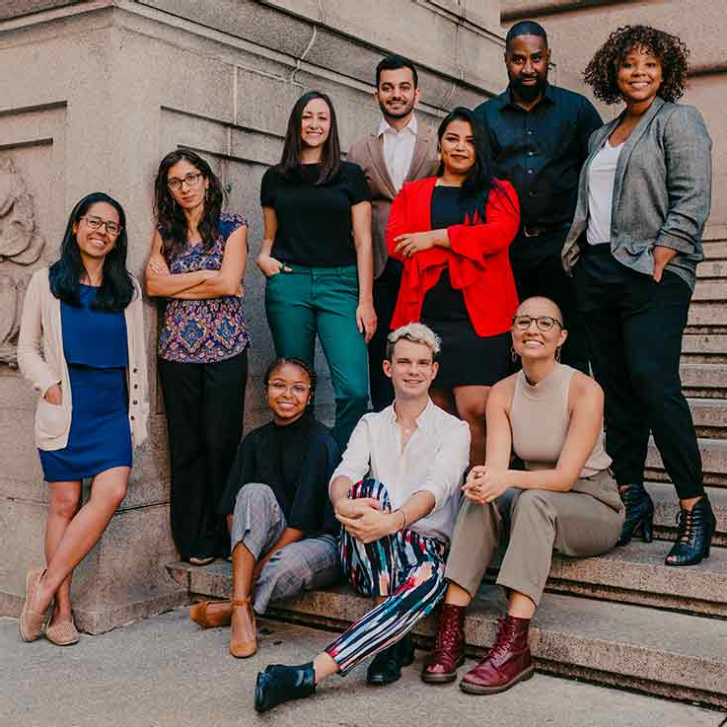
Think tanks can only help pave the path toward a more inclusive, just, and equal country if we modernize our concept of expertise, re-think who gets to drive policy change, and re-imagine how policy is developed.

Insightful quotes and summaries of sessions from the “People, Power, Resources: Enacting an Equitable Future" conference.

Sensible innovation policy design, targeted at innovations for the public good, can be a crucial tool in helping our societies recover and rebuild.

Four principles were key to the success of the COVID-19 Solidarity Response Fund, a joint effort of the UN Foundation and the World Health Organization to raise hundreds of millions of dollars to help nations around the world survive the pandemic.

This article offers nine strategies to liberate board culture and provides a tool that boards may use to reflect on their own behavior and strengthen their culture.

Implementation science has not advanced equitable outcomes routinely, explicitly, or intentionally. Here’s how it can.