


How Funders Can Make Disability Visible
Disability is a relatively untapped area of investment for philanthropy, but one that offers promise of change and multiple avenues for donor impact.

Disability is a relatively untapped area of investment for philanthropy, but one that offers promise of change and multiple avenues for donor impact.

As the United States struggles to vaccinate everyone in the nation, governments and community-based organizations trying to eliminate barriers to access for high-risk, rural, and remote communities must consider geography, partnerships, language, schedules, and technology.
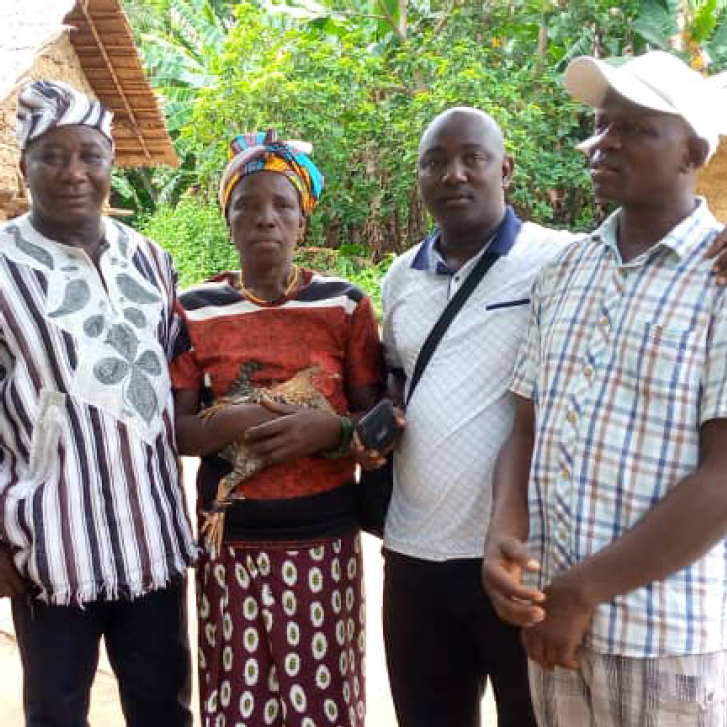
Namati provides legal knowledge to communities around the world to help them defend their land, environmental, and other civil rights against abuse by commercial and political aggressors.
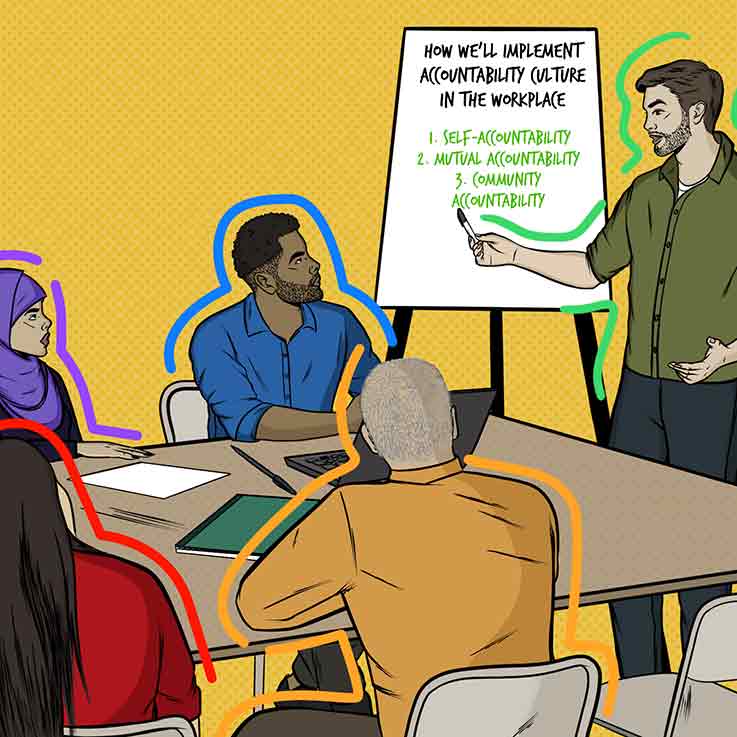
Advancing racial equity within your organization requires making accountability a cultural norm.

Understanding how network members interact with each other is crucial to advancing their common aims.

New public awareness of how the traditional financial system fails small businesses creates an opportunity to build models that connect entrepreneurs with the capital they need to recover, grow, and thrive—and that drive a more equitable and inclusive economy.
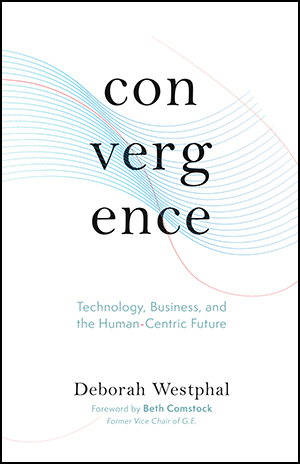
An excerpt from Convergence argues that today’s leaders must recognize the many signals of accelerating disruption and the increasing convergence where people, technology, and business intersect.

By creating a network of grassroots movements and calling out connections across issues, the social sector can drive demand for solutions and spur policy makers to act.

A greater focus on co-created, measurable outcomes can help build trust between public, private, and social sector partners, and thus improve the effectiveness of outcomes-based contracting and the social programs they create.
How can you scale your social impact across borders and advance your giving strategies? Where do you start and what do you need to know about mechanisms for global charity? SSIR publisher Michael Voss speaks with Kelsey McCarthy of the Charities Aid Foundation of America and Fred Kaynor of Schwab Charitable. A sponsored podcast developed with the support of DAFgiving360.