


Specialty Health Care Through Local Pharmacies
A partnership-based, digital health care platform in India is connecting medical specialists to patients who lack access to appropriate care.
Innovations in technology that serve the world (more)
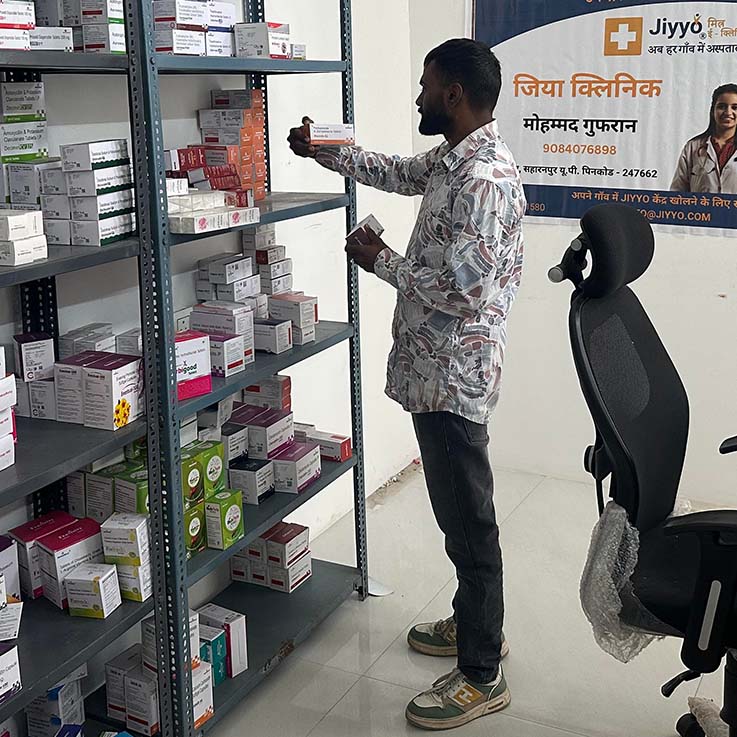
A partnership-based, digital health care platform in India is connecting medical specialists to patients who lack access to appropriate care.

Urbanist Nicholas Lalla offers a playbook for tech-led economic development in midsize cities, avowing that inclusive growth can offset the worsening wealth inequities that the tech sector has helped generate.

With traditional community spaces underfunded and neglected, investing in the health of our online gathering places has become essential.
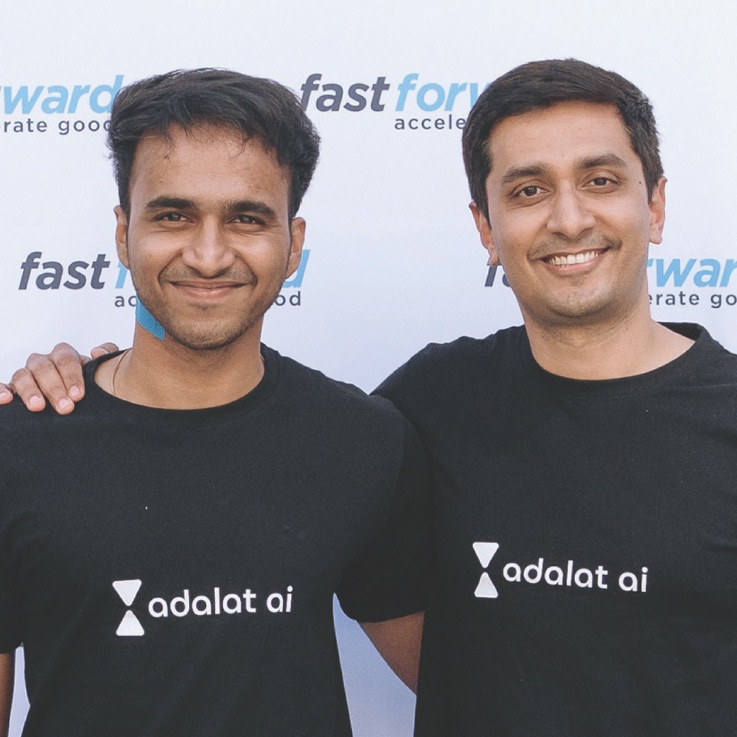
A new AI-powered technology is expediting India’s notoriously dilatory legal system.

Mercy Corps leverages satellite data and AI to preemptively send emergency relief to people ahead of natural disasters.

Why data is one of the biggest challenges to leveraging AI for social good—and how the social sector can address it
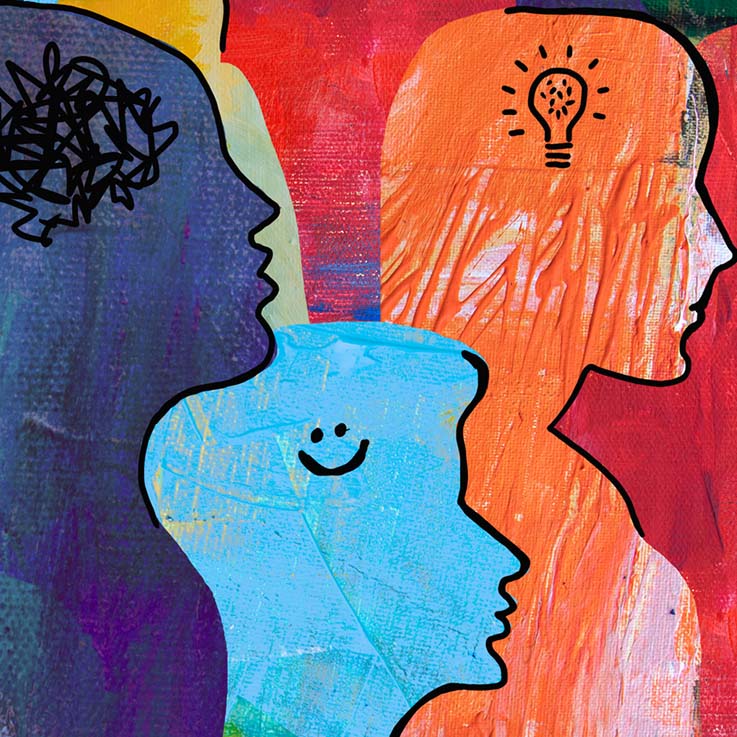
Mission-driven organizations should look beyond the tech sector and build AI partnerships with academia, CBOs, artists, and foundations.

Strong IP protections will incentivize the human creativity that’s essential to improving, applying, and using AI.

Narratives are an essential prerequisite to social change. Current narratives on AI and work only serve to increase tech companies’ power and undermine workers’ rights.

The rise of AI-powered social services will mean walking a difficult tightrope between democratizing access to resources and depleting access to social connection.